Sodium hydroxide, commonly known as caustic soda, is a widely used chemical in various industries such as chemical manufacturing, paper production, and water treatment. The efficient and safe delivery of this caustic substance is crucial for industrial operations. Different delivery methods are employed depending on the specific requirements of the application, including bulk handling, environmental considerations, and operational efficiency. Among these methods, air-driven or pneumatic transport has emerged as a preferred solution for many industrial settings.
Understanding the Common Delivery Methods for Sodium Hydroxide
Traditionally, sodium hydroxide has been transported using methods like truck or rail transport, which involve bulk containers or tankers. These methods are suitable for long-distance transportation but may face challenges such as handling risks, environmental impact, and limited flexibility in terms of delivery speed. Another common approach is the use of pipelines, especially for continuous and high-volume applications. However, pipelines require significant infrastructure investment and may not be feasible for all industrial sites due to space constraints or geographical limitations.
The Principle of Air-Driven (Pneumatic) Transport for Sodium Hydroxide
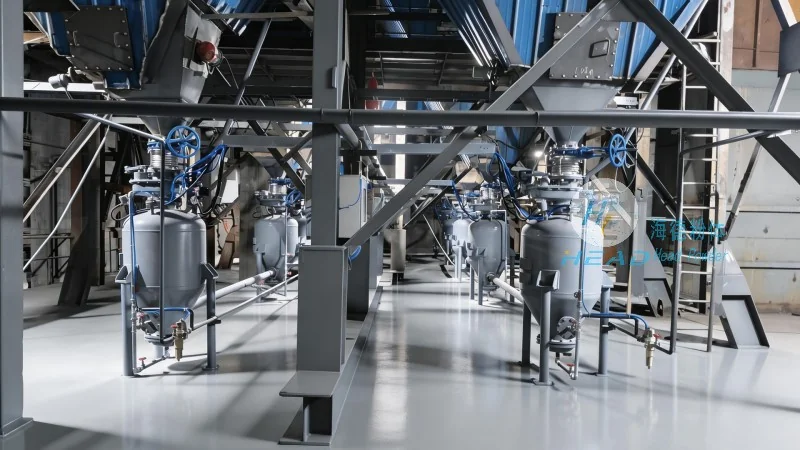
Air-driven transport, also known as pneumatic conveying, operates by using compressed air to move the material through a pipeline system. In this method, sodium hydroxide is typically in the form of a dry powder or granules, which are fed into a hopper. The material is then drawn into the pipeline by the air flow, and the mixture of powder and air travels to the destination point. The system can be either positive pressure or negative pressure, depending on the specific application and material characteristics. The key components of a pneumatic transport system include the hopper, feeder, pipeline, and receiver, all of which are designed to handle the caustic nature of sodium hydroxide while ensuring efficient and safe operation.
Advantages of Air-Driven Transport for Sodium Hydroxide
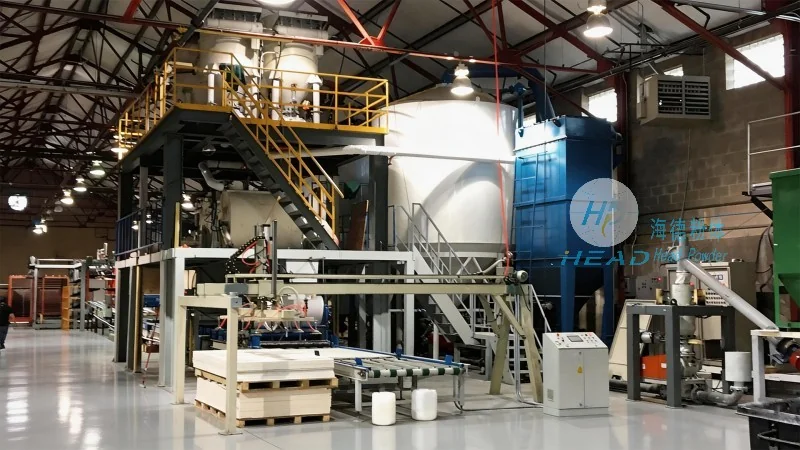
One of the primary advantages of air-driven transport is enhanced safety. Unlike traditional methods that involve handling large containers or open tanks, pneumatic systems minimize the risk of spills and exposure to the environment. The enclosed pipeline system prevents accidental release of the caustic material, reducing the potential for environmental contamination and workplace hazards. Additionally, the system can be designed with multiple receiving points, allowing for flexible distribution of sodium hydroxide to different parts of a facility without the need for additional infrastructure.
Efficiency is another significant benefit of air-driven transport. The system can deliver sodium hydroxide quickly and reliably, even over relatively short distances, compared to truck or rail transport. This reduces downtime and improves overall operational productivity. The ability to handle both dry powder and granular forms of sodium hydroxide makes the system versatile, accommodating various product specifications and processing needs. Furthermore, the system can be integrated with other industrial processes, such as blending or mixing, to streamline the entire production workflow.
Key Features of Air-Driven Transport Systems
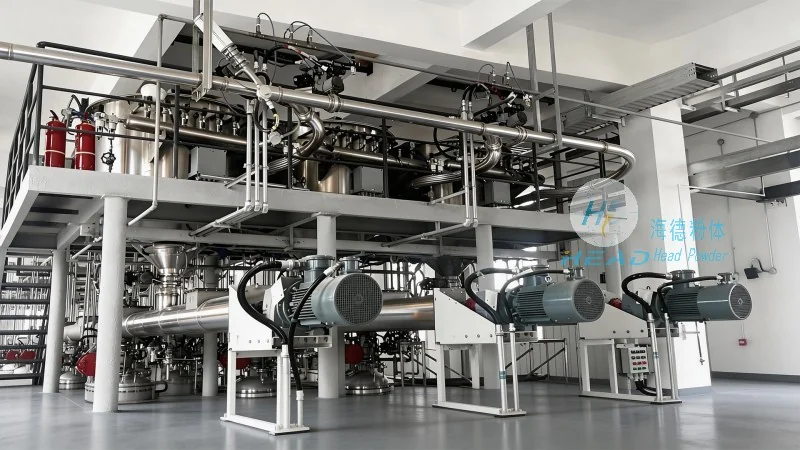
Modern air-driven transport systems for sodium hydroxide are equipped with advanced features that enhance performance and reliability. These features include automated feeding mechanisms that ensure consistent material flow, pressure sensors that monitor system performance, and temperature control systems to prevent material degradation. The use of high-quality materials, such as stainless steel or specialized coatings, protects the pipeline from corrosion caused by the caustic nature of sodium hydroxide. Additionally, the systems are designed with safety protocols, including emergency shut-off valves and pressure relief devices, to prevent accidents and ensure compliance with industrial safety standards.
Applications and Industries Benefiting from Air-Driven Transport
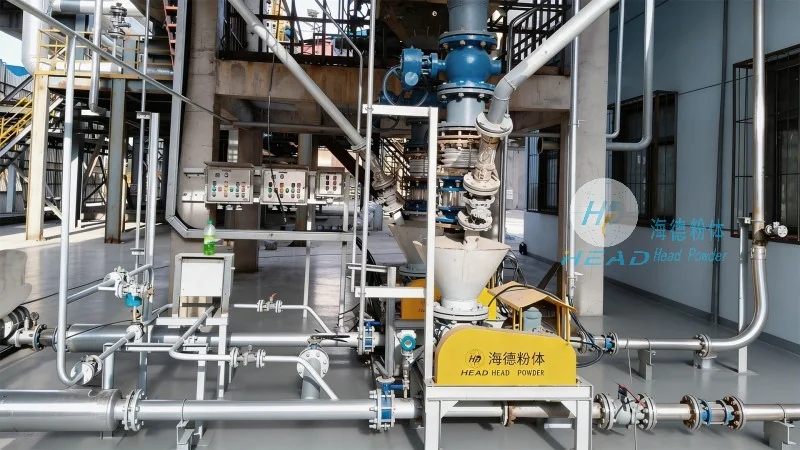
Air-driven transport of sodium hydroxide is widely used in various industries where bulk handling and precise delivery are critical. In the chemical manufacturing sector, it is used for transporting caustic soda to reactors and processing units. The paper industry utilizes pneumatic systems to deliver sodium hydroxide to paper machines and treatment facilities. Water treatment plants also benefit from this technology, as it allows for the efficient delivery of caustic soda for pH adjustment and water purification processes. The flexibility and reliability of air-driven transport make it an ideal solution for industries that require consistent and safe handling of sodium hydroxide.
About Shandong HeadPowder Engineering Co., Ltd.
Shandong HeadPowder Engineering Co., Ltd., commonly known as HeadPowder, is a leading provider of specialized engineering solutions for bulk material handling, including air-driven transport systems for sodium hydroxide and other caustic chemicals. With a strong focus on innovation and quality, HeadPowder has developed advanced pneumatic conveying systems that meet the highest industrial standards. The company's expertise lies in designing and manufacturing customized solutions tailored to the specific needs of each client, ensuring optimal performance and safety. HeadPowder's facilities are located in Shandong, China, where the company leverages local resources and expertise to deliver reliable and efficient transport solutions to global markets.




