HeadPowder, a leading manufacturer based in Shandong, China, specializes in the design and production of advanced powder conveying systems. This article explores the concept of a broad bean powder conveying line and delves into its fundamental design principles, providing a comprehensive understanding of this critical equipment in the food processing industry.
Introduction to Broad Bean Powder Conveying Lines
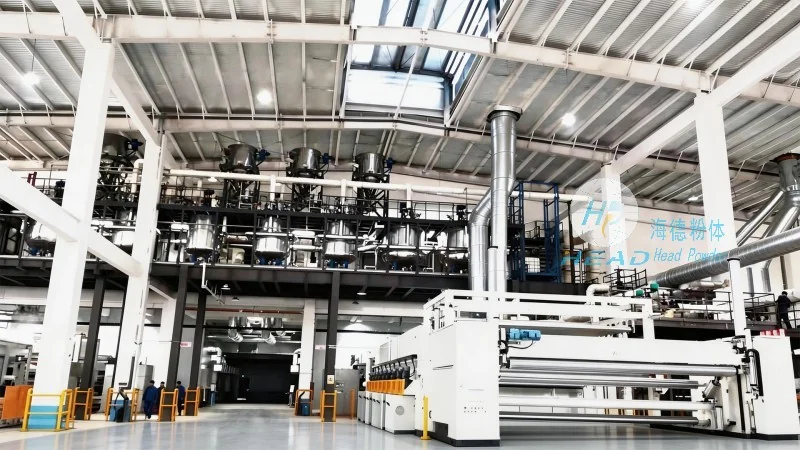
A broad bean powder conveying line is a specialized system engineered to transport and handle broad bean powder efficiently and safely. These lines are essential in food processing facilities, particularly in the production of broad bean-based products, where consistent and reliable powder handling is crucial for maintaining product quality and operational efficiency. The system typically integrates various components such as hoppers, conveyors, dust collectors, and control panels to ensure seamless material flow from storage to processing or packaging stages.
Key Components of a Broad Bean Powder Conveying Line
The design of a broad bean powder conveying line involves several key components that work in harmony to achieve optimal performance. The primary components include:
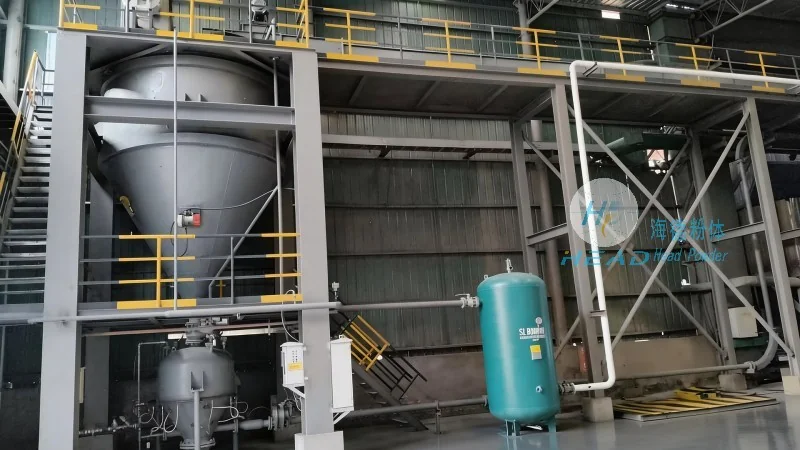
1. Hoppers and Feeders: These are used to store and feed broad bean powder into the conveying system. Hoppers are designed with appropriate dimensions and material to prevent powder degradation, while feeders, such as rotary valves or star feeders, regulate the flow rate to match the processing requirements.
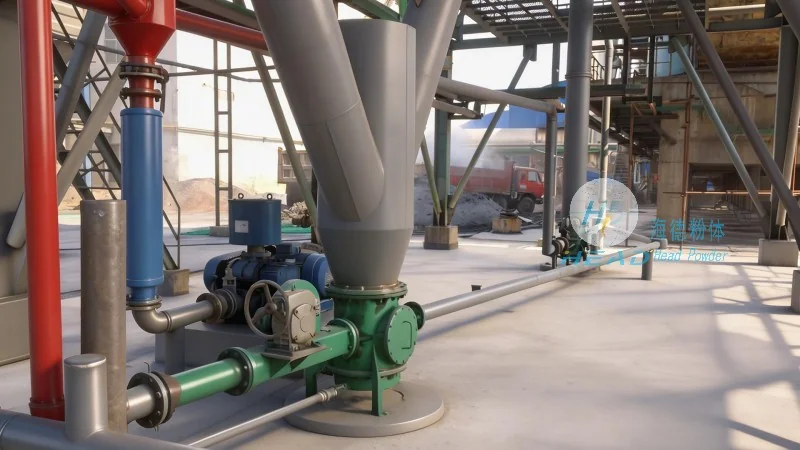
2. Conveyors: The core of the conveying line, conveyors transport the powder through the system. Common types include pneumatic conveying systems (air-assisted) and mechanical conveyors (e.g., screw conveyors or belt conveyors). Pneumatic systems are often preferred for broad bean powder due to their ability to handle fine powders and minimize dust generation.
3. Dust Collectors: To ensure a clean and safe working environment, dust collectors are integrated into the system. These devices capture and filter airborne particles, preventing contamination and protecting personnel from inhalation risks. High-efficiency particulate air (HEPA) filters are commonly used to achieve high filtration efficiency.
4. Control Panels: A centralized control panel allows operators to monitor and control the entire conveying process. It includes sensors for level, pressure, and flow, as well as control buttons and indicators to ensure smooth operation and immediate response to any anomalies.
Design Principles for Broad Bean Powder Conveying Lines
The design principles of a broad bean powder conveying line focus on maximizing efficiency, ensuring safety, and maintaining product integrity. Several key principles guide the engineering process:
1. Material Compatibility: All components in contact with broad bean powder must be made of materials that are non-reactive and easy to clean. Stainless steel is commonly used for hoppers, conveyors, and other parts due to its corrosion resistance and hygienic properties, which are critical in food processing applications.
2. Airflow Management: In pneumatic conveying systems, proper airflow management is essential to prevent blockages and ensure consistent material transport. The system is designed to maintain appropriate air velocity and pressure to keep the powder suspended and flowing smoothly. This involves calculating the necessary air volume and pressure based on the powder's properties, such as particle size, density, and moisture content.
3. Prevention of Agglomeration: Broad bean powder can agglomerate due to moisture or static electricity, which can cause blockages and reduce system efficiency. Design principles include incorporating anti-static measures, such as grounding and ionizers, and maintaining proper moisture levels to prevent agglomeration. Additionally, the system may include vibration devices or air knives to break up any clumps that form.
4. Energy Efficiency: Modern conveying lines are designed with energy efficiency in mind. This includes optimizing air pressure and flow rates to minimize energy consumption while maintaining performance. Variable frequency drives (VFDs) are often used to adjust motor speeds according to the conveying demand, reducing energy waste.
Operational Advantages of Broad Bean Powder Conveying Lines
Implementing a well-designed broad bean powder conveying line offers several operational advantages for food processing facilities:
1. Improved Product Quality: By ensuring consistent and controlled powder handling, the system helps maintain the quality of broad bean products. It minimizes exposure to contaminants and prevents over-processing, which can affect the final product's taste, texture, and nutritional value.
2. Enhanced Safety: The integration of dust collectors and proper ventilation systems reduces the risk of dust explosions and inhalation hazards, creating a safer working environment for personnel.
3. Increased Efficiency: Automated control systems and optimized material flow reduce labor costs and improve production throughput. The system can handle large volumes of powder with minimal downtime, leading to higher overall productivity.
4. Reduced Maintenance: High-quality materials and robust design reduce the likelihood of component failure and lower maintenance requirements. This translates to lower operational costs and extended equipment lifespan.
Conclusion
A broad bean powder conveying line is a sophisticated piece of equipment that plays a vital role in the efficient and safe processing of broad bean products. The design principles, including material compatibility, airflow management, and energy efficiency, ensure that the system meets the stringent requirements of the food industry. By leveraging advanced technology and careful engineering, such systems provide significant benefits in terms of product quality, operational safety, and overall efficiency. HeadPowder, with its expertise in powder handling systems, continues to innovate and provide tailored solutions to meet the evolving needs of the food processing sector.




