White sugar powder conveying lines are specialized systems engineered to handle the transportation of white sugar powder efficiently and safely. These lines are crucial in sugar processing facilities, ensuring that the white sugar powder moves from one stage of production to another without loss or contamination. The design of such lines is tailored to meet the unique characteristics of white sugar powder, which includes its fine particle size (typically ranging from 10 to 200 microns), hygroscopic nature (the ability to absorb moisture from the air), and the need for strict hygiene standards due to its use in food applications. The systems are designed to maintain the purity and quality of the white sugar powder throughout the conveying process, which is essential for meeting regulatory requirements and customer expectations.
Understanding the Core Components of a White Sugar Powder Conveying Line
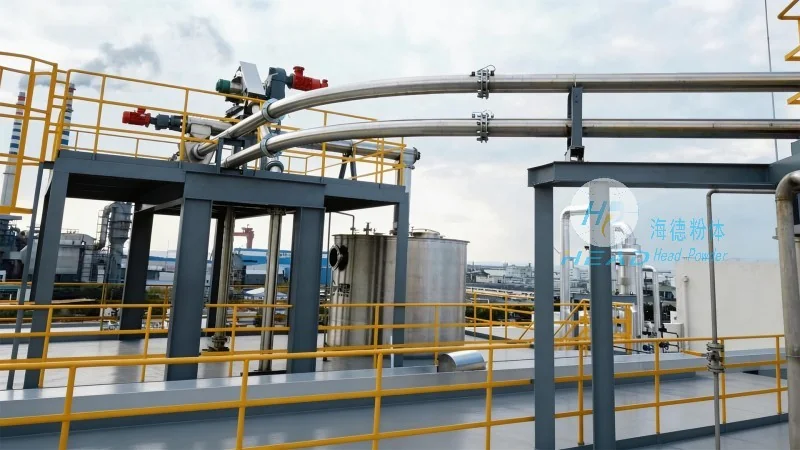
The white sugar powder conveying line typically consists of several key components that work in tandem to achieve seamless material handling. The primary components include feeders, conveyors, and control systems. Feeders are responsible for uniformly feeding the white sugar powder into the conveying system, ensuring a consistent flow rate. Conveyors, such as pneumatic or mechanical types, transport the powder through the system. Control systems monitor and regulate the operation, maintaining optimal performance and safety. Each component is designed to address the specific challenges posed by white sugar powder, such as preventing caking, ensuring dust-free operation, and maintaining product purity. For instance, rotary feeders are often used to prevent the powder from sticking to the feeder walls, while pneumatic conveyors are preferred for their ability to handle fine powders without clogging. The control systems may include sensors to detect blockages or overloads, triggering alarms or automatic shutdowns to prevent damage to the equipment or product.
Design Principles for White Sugar Powder Conveying Lines
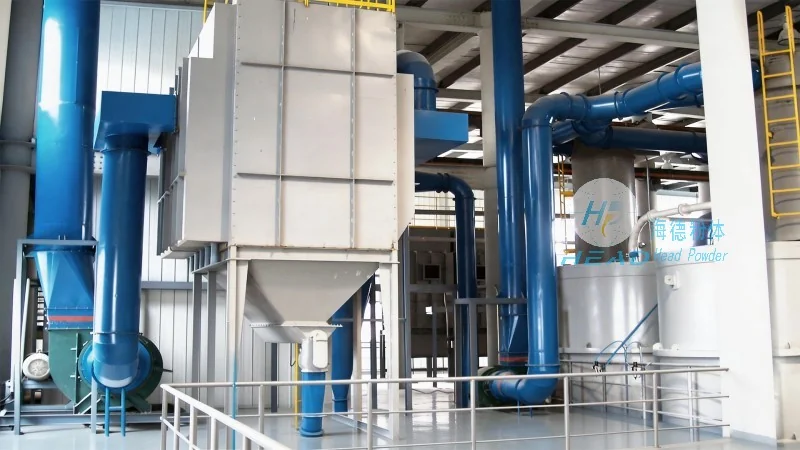
The design principles of a white sugar powder conveying line are centered on efficiency, hygiene, and durability. Efficiency is achieved through the selection of appropriate conveyor types and the optimization of system layout. The layout is designed to minimize the distance the powder travels and the number of transfer points, reducing energy consumption and the risk of product degradation. Hygiene is a critical factor, as white sugar powder is used in food processing and must comply with stringent regulations like FDA and EU standards. Therefore, materials used in the construction of the conveying line, such as 316L stainless steel, are chosen for their corrosion resistance and ease of cleaning. The surfaces are smooth and free of crevices to prevent the accumulation of powder and bacteria. Durability is ensured by using robust components that can withstand the abrasive nature of the powder and the operational stresses over time. The conveyor belts or pipes are made of materials that resist wear and tear, and the bearings are lubricated to reduce friction and extend the lifespan of the equipment. The design also considers the need for minimal product degradation, which is essential for maintaining the quality of the white sugar powder. This includes avoiding high temperatures or excessive pressure that could cause the powder to clump or lose its crystalline structure.
How Shandong HeadPowder Engineering Co., Ltd. Designs and Implements These Systems
Shandong HeadPowder Engineering Co., Ltd., a leading provider of powder handling solutions, specializes in designing and manufacturing white sugar powder conveying lines that meet the highest industry standards. With a strong focus on customer needs and technical expertise, the company ensures that each system is tailored to the specific requirements of the sugar processing facility. The design process involves thorough analysis of the production process, material characteristics, and operational conditions. This allows the engineers at HeadPowder to develop customized solutions that enhance productivity while maintaining product quality and safety. The company’s commitment to quality is reflected in the use of advanced materials and rigorous testing protocols, ensuring that the conveying lines are reliable and long-lasting. For example, the company conducts extensive testing of the materials used in the construction of the conveying lines to ensure they meet the required standards for food contact. The systems are also designed for easy maintenance and cleaning, which helps in meeting regulatory compliance and ensuring operational efficiency. The engineers at HeadPowder work closely with clients to understand their specific challenges, such as space constraints or existing infrastructure, and provide solutions that integrate seamlessly with their current operations.
Key Features and Benefits of White Sugar Powder Conveying Lines
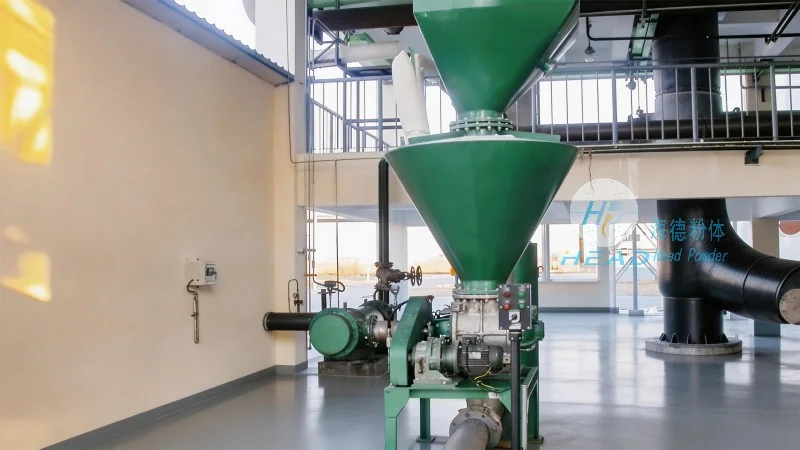
White sugar powder conveying lines offer several key features and benefits that make them indispensable in sugar processing operations. One of the primary benefits is the ability to handle fine powders without clogging or blockages, which is achieved through the use of specialized feeders and conveyors. Another benefit is the reduction in labor costs, as automated systems minimize the need for manual handling. The lines also contribute to improved product quality by preventing contamination and maintaining consistent particle size distribution. Additionally, the systems are designed for easy maintenance and cleaning, which helps in meeting regulatory compliance and ensuring operational efficiency. The use of pneumatic conveyors, for instance, allows for the transportation of white sugar powder over long distances without the need for multiple transfer points, reducing the risk of product degradation. The control systems in these lines provide real-time monitoring of the process, allowing operators to adjust parameters as needed to maintain optimal performance. This leads to increased productivity and reduced downtime, which are critical factors for the success of any sugar processing facility.




