What is a Foundry Sand Pneumatic Conveying System? And What Are Its Design Principles?
Release time:2026-09-14 11:37:34
name of the company:Shandong Headpowder Engineering Co., Ltd.
telephone:156-6277-7102
contacts:Zhang manager
For foundries and casting manufacturers, efficient and reliable material handling is crucial to maintaining production efficiency and quality. One key technology in this field is the foundry sand pneumatic conveying system. This system is designed to transport foundry sand, a critical raw material in the casting process, from one location to another with high efficiency and minimal loss. In this article, we will explore what a foundry sand pneumatic conveying system is and delve into its design principles, which are essential for optimizing performance and ensuring long-term operational stability.
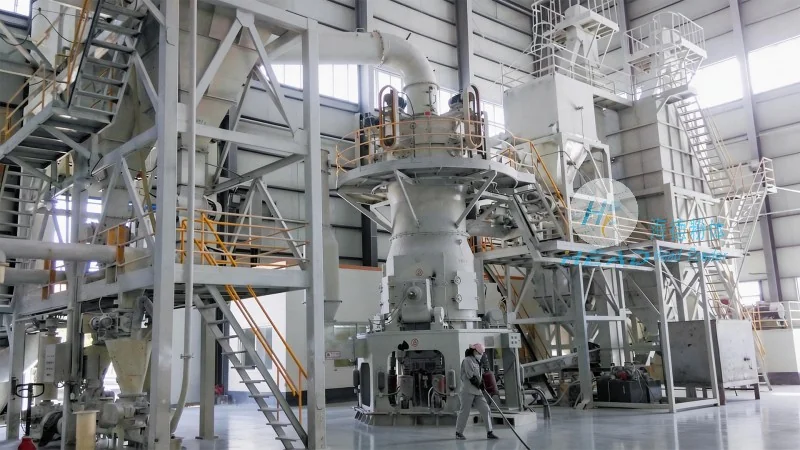
Introduction to Foundry Sand Pneumatic Conveying Systems
A foundry sand pneumatic conveying system is a specialized equipment setup that uses air pressure or vacuum to transport foundry sand, which is typically used in sand casting processes. The system is composed of several key components, including a hopper for material storage, a conveying line (often with bends and elbows), a dust collector to capture and filter air, and a control system to regulate the flow of material and air. The primary goal of this system is to move foundry sand from its source, such as a storage silo or a mixing station, to the casting machine or other processing equipment with minimal manual intervention and reduced material degradation.
Key Components of a Foundry Sand Pneumatic Conveying System
The effectiveness of a foundry sand pneumatic conveying system depends largely on its well-designed components. The main parts include:
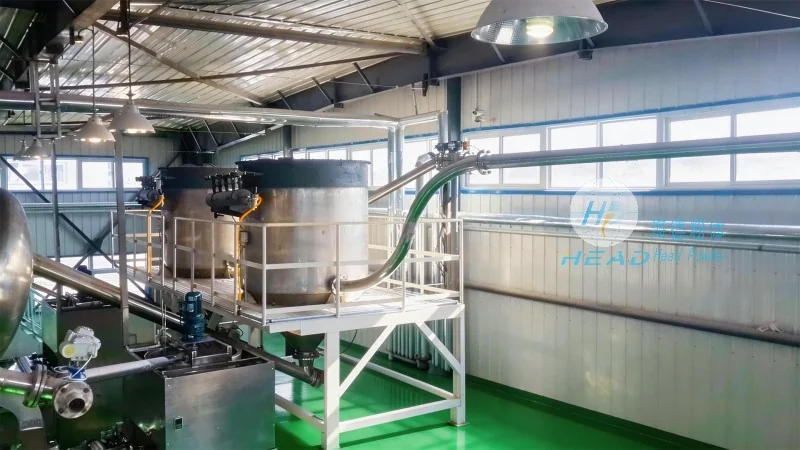
- Material Hopper: This is the initial storage container where foundry sand is held before being conveyed. It is typically equipped with a discharge valve or gate to control the flow of material into the conveying line. The hopper is designed to minimize material segregation and maintain a consistent feed rate.
- Conveying Line: The pipeline through which the foundry sand is transported. It can be made of metal (such as stainless steel or carbon steel) or flexible hoses, depending on the system's design and the material's characteristics. The line is often equipped with bends, elbows, and straight sections to guide the material to the destination. Proper sizing of the line is critical to ensure that the air velocity is sufficient to carry the sand particles without causing excessive pressure drop or material deposition.
- Air Supply Unit: This component generates the necessary air pressure or vacuum to move the material. It can be a blower or a vacuum pump, depending on the system's configuration. The air supply unit is connected to the conveying line and provides the force needed to transport the foundry sand. The pressure or vacuum level is adjustable to match the system's requirements and the material's properties.
- Dust Collector: As the foundry sand is conveyed, fine particles can be released into the air, creating a dust problem. The dust collector is used to capture these particles and filter the air before it is released back into the environment. It typically consists of a filter bag or cartridge system that traps the dust, and a cleaning mechanism to remove the collected material. The dust collector is essential for maintaining air quality and complying with environmental regulations.
- Control System: This is the brain of the system, responsible for monitoring and controlling the operation of all components. The control system can include sensors to detect the level of material in the hopper, the pressure in the conveying line, and the flow rate of the material. It can also be programmed to adjust the air supply and material feed rates automatically, ensuring stable and efficient operation. Modern control systems often use programmable logic controllers (PLCs) and human-machine interfaces (HMIs) for easy operation and maintenance.
Design Principles of Foundry Sand Pneumatic Conveying Systems
The design of a foundry sand pneumatic conveying system follows several key principles to ensure optimal performance and reliability. These principles are based on the physics of fluidization and particle transport in a gas-solid system. The main design considerations include:
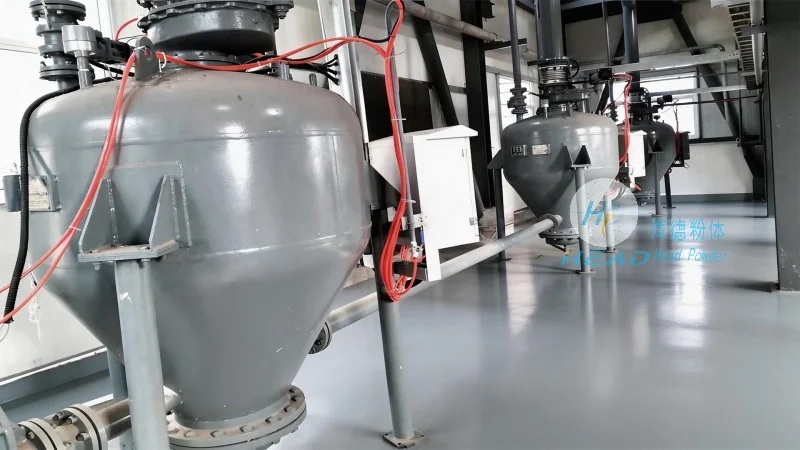
- Air Velocity and Particle Size: The air velocity in the conveying line must be sufficient to lift and transport the foundry sand particles. The minimum air velocity required is determined by the particle size, density, and shape of the sand. For foundry sand, which typically has a particle size range of 0.1 to 2 mm and a density of around 2.5 g/cm³, the air velocity is usually set between 15 to 25 m/s. If the air velocity is too low, the sand particles may settle in the line, causing blockages and system failure. If it is too high, the pressure drop will increase, leading to higher energy consumption and potential damage to the equipment.
- Pressure Drop and System Efficiency: The pressure drop in the conveying line is a critical factor in the system's efficiency. It is the difference in pressure between the inlet and outlet of the line and is caused by the friction between the sand particles and the pipe walls, as well as the bends and fittings. The pressure drop must be minimized to reduce energy consumption and prevent excessive wear on the equipment. Designers use empirical formulas or computational fluid dynamics (CFD) simulations to calculate the pressure drop and optimize the system's layout and components.
- Material Flow Rate and Uniformity: The system must be designed to maintain a consistent flow rate of foundry sand. This is important to ensure that the casting machine receives a steady supply of material, preventing interruptions in the production process. The flow rate is controlled by the material hopper's discharge valve and the air supply unit's output. The control system plays a crucial role in maintaining uniform flow by adjusting the air pressure and material feed rate in real-time.
- System Sizing and Scalability: The foundry sand pneumatic conveying system must be sized to match the production requirements of the foundry. This includes determining the required conveying capacity (in terms of material volume per hour) and the system's pressure and power requirements. The system should also be designed to be scalable, allowing for future expansion as the foundry's production capacity increases. This may involve adding additional conveying lines, increasing the air supply capacity, or upgrading the control system.
- Environmental and Safety Considerations: The design of the system must take into account environmental and safety regulations. The dust collector is essential for controlling dust emissions and complying with air quality standards. The system should also be designed with safety features, such as pressure relief valves, to prevent over-pressurization and potential accidents. Additionally, the materials used in the construction of the system (such as the conveying line and hopper) should be resistant to corrosion and wear from the foundry sand.
Applications and Benefits of Foundry Sand Pneumatic Conveying Systems
Foundry sand pneumatic conveying systems are widely used in the foundry industry for various applications, including:
- Transporting Foundry Sand from Storage to Casting Machines: The primary application is to move foundry sand from large storage silos or bins to the molding and casting machines. This eliminates the need for manual handling and reduces the risk of material contamination or loss.
- Recycling and Reclaiming Used Foundry Sand: After the sand has been used in the casting process, it can be reclaimed and recycled. The pneumatic conveying system can transport the used sand from the casting machine back to the reclamation system for cleaning and reuse. This reduces the need for new sand and lowers material costs.
- Transferring Foundry Sand to Mixing Stations: The system can also be used to transport foundry sand to mixing stations where it is combined with other materials, such as binders and additives, to create the molding sand. This ensures a consistent and uniform mixture, which is critical for producing high-quality castings.
The benefits of using a foundry sand pneumatic conveying system include:




