Continuous pneumatic conveying systems represent a sophisticated method of material handling that leverages air pressure to transport bulk materials from one location to another. Unlike traditional mechanical conveyors, which rely on physical components like belts or chains, these systems utilize a stream of air to move powders, granules, and other particulate materials efficiently and reliably. This technology is widely adopted across various industries, including pharmaceuticals, food processing, chemicals, and manufacturing, due to its ability to handle a diverse range of materials while maintaining hygiene and minimizing product contamination.
Core Design Principles of Continuous Pneumatic Conveying Systems
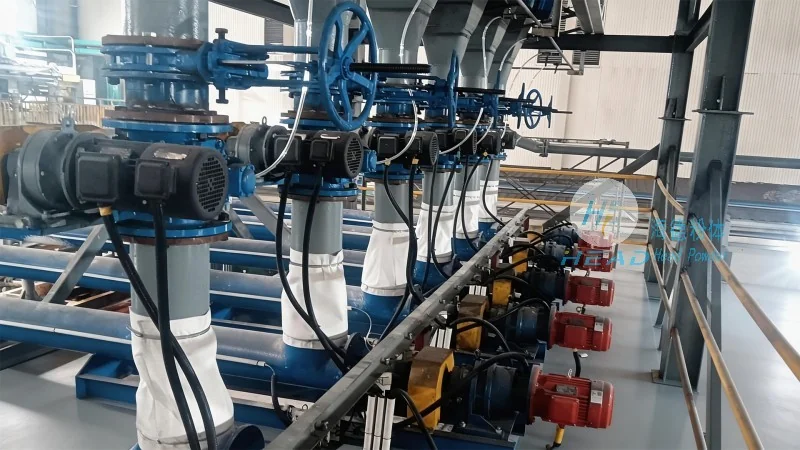
The design of a continuous pneumatic conveying system is built on several fundamental principles that ensure optimal performance and efficiency. The primary design considerations include the type of conveying mode (e.g., dilute-phase or dense-phase), the material characteristics (such as particle size, density, and moisture content), and the operational requirements (e.g., distance, flow rate, and pressure). Dilute-phase systems operate at higher air velocities, typically moving materials in a suspended state, while dense-phase systems use lower air velocities to push material in a plug flow, reducing particle degradation and improving material integrity. The system's layout, including the placement of feeders, cyclones, and filters, is also critical to maintaining consistent flow and preventing blockages. Additionally, the selection of appropriate components, such as air compressors, ductwork, and control valves, is essential to ensure the system operates within safe and efficient parameters.
Key Components and Their Functions in Continuous Pneumatic Conveying
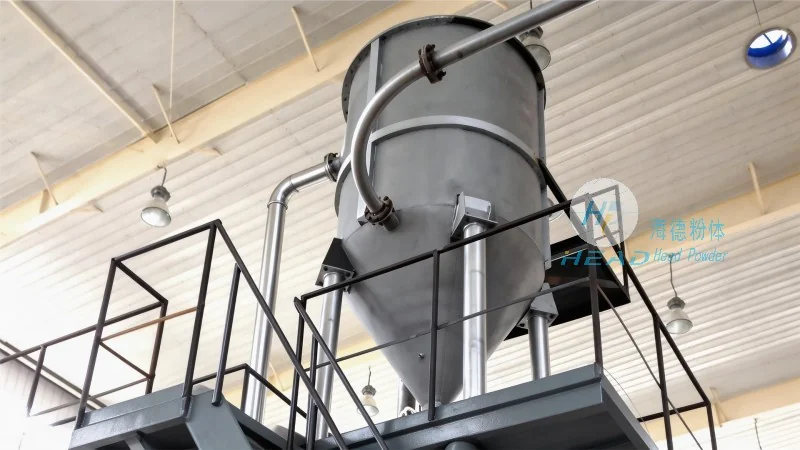
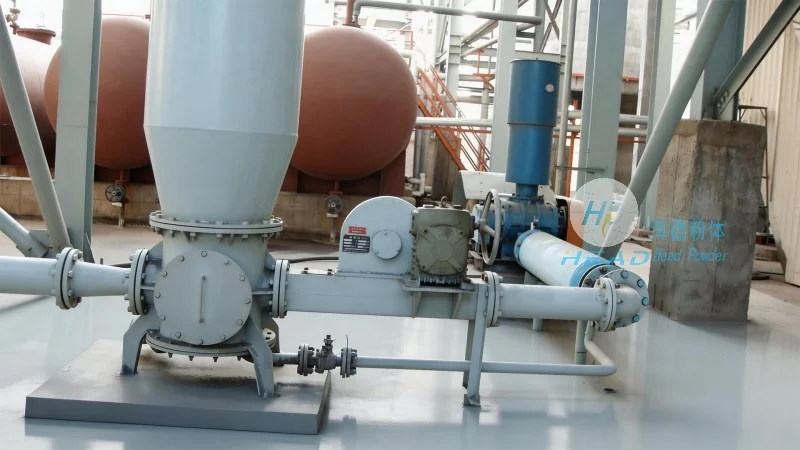
Continuous pneumatic conveying systems consist of several key components that work in tandem to achieve effective material transport. The primary components include the material feeder, which meters the material into the system; the air compressor, which generates the necessary air pressure; the ductwork, which transports the material-air mixture; and the separation equipment, such as cyclones or filters, which separates the material from the air. The material feeder is typically designed to handle different material types and flow rates, ensuring a consistent feed to the system. The air compressor provides the driving force, with options ranging from rotary lobe compressors to screw compressors, depending on the system's requirements. The ductwork is constructed from materials like stainless steel or plastic to withstand the pressure and material properties, with bends and elbows strategically placed to maintain flow efficiency. The separation equipment is crucial for recovering the material and cleaning the air, with cyclones using centrifugal force to separate particles from the air stream, while filters remove fine particles to meet environmental and safety standards.
Advantages and Applications of Continuous Pneumatic Conveying Systems
Continuous pneumatic conveying systems offer numerous advantages over traditional mechanical conveyors, making them a preferred choice for many industries. One of the key benefits is their ability to handle a wide variety of materials, including fine powders, granules, and even sticky or abrasive materials, without causing degradation or contamination. This is particularly important in industries like pharmaceuticals and food processing, where product purity is paramount. Another advantage is the reduced risk of product contamination, as the system operates in a closed environment, minimizing exposure to external factors. Additionally, continuous systems can transport materials over long distances with minimal maintenance, and they are more flexible in terms of layout and integration with existing processes. These systems are widely used in applications such as bulk material handling in chemical plants, powder processing in pharmaceutical facilities, and material transport in food processing lines. They are also suitable for transporting materials in hazardous environments, as the closed system prevents the release of dust or other particles into the air.
Design Considerations for Optimal Performance
Designing an effective continuous pneumatic conveying system requires careful consideration of several factors to ensure optimal performance and longevity. The first consideration is the material characteristics, as different materials have varying properties that affect the system's design. For example, materials with high moisture content may require additional drying steps or specialized feeders to prevent clogging. The second consideration is the operational distance and flow rate, as these factors determine the required air pressure and compressor capacity. The third consideration is the system's integration with existing processes, as the layout must be compatible with the plant's layout and workflow. Additionally, the system must be designed to meet safety and environmental regulations, including the use of appropriate filters and dust collection systems. Proper maintenance and regular inspections are also critical to ensure the system operates efficiently and safely over time.
About Shandong HeadPowder Engineering Co., Ltd.
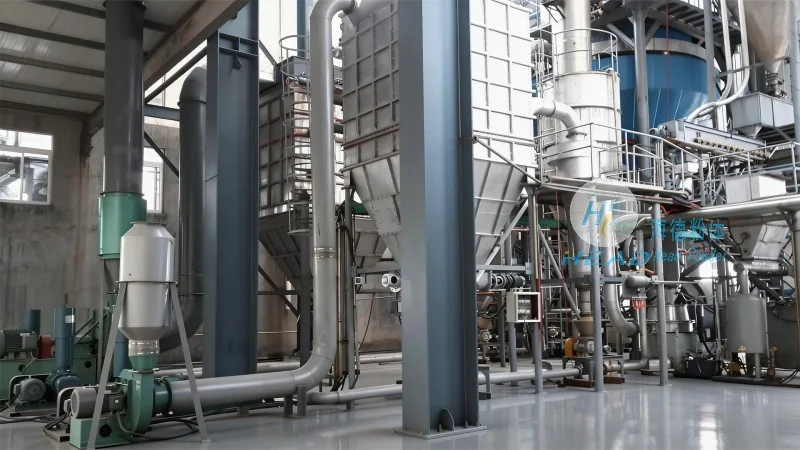
Shandong HeadPowder Engineering Co., Ltd., commonly known as HeadPowder, is a leading manufacturer and supplier of continuous pneumatic conveying systems and related equipment. With a strong focus on innovation and quality, HeadPowder has established itself as a trusted partner in the material handling industry. The company specializes in designing and manufacturing customized solutions tailored to the specific needs of its clients, ensuring that each system meets the highest standards of performance, reliability, and safety. HeadPowder's team of experienced engineers and technicians work closely with clients to understand their requirements and develop solutions that enhance operational efficiency and reduce costs. The company's products are widely used in various industries, including pharmaceuticals, food processing, chemicals, and manufacturing, and are known for their durability, efficiency, and compliance with industry standards. HeadPowder is committed to providing exceptional customer service and support, ensuring that clients receive the best possible solutions for their material handling needs.




