For manufacturers in the glass industry, the efficient and reliable transportation of raw materials is a critical factor in production quality and operational efficiency. A glass raw material pneumatic conveying system is a specialized equipment solution designed to handle the movement of bulk materials such as sand, soda ash, limestone, and other additives from storage to processing areas within a glass manufacturing facility. This system utilizes compressed air or other gases to transport materials through a network of pipes, offering advantages like dust control, reduced contamination, and the ability to handle materials in a closed system. Understanding the core components and design principles of such a system is essential for optimizing production processes and ensuring consistent product quality.
Key Components of a Glass Raw Material Pneumatic Conveying System
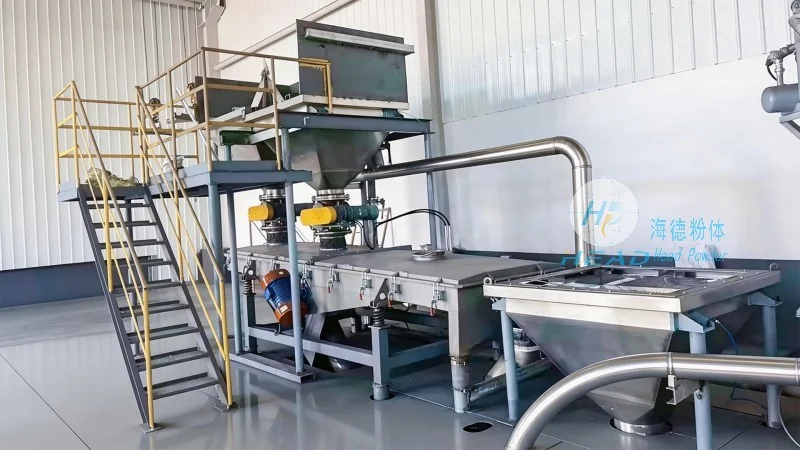
The effectiveness of a glass raw material pneumatic conveying system depends on several key components that work in harmony to achieve efficient material transport. The primary components include the material hopper or silo, which stores the raw materials; a feeder, typically a rotary valve or screw feeder, that controls the flow of material into the conveying line; the conveying line itself, made of stainless steel or other corrosion-resistant materials to handle the abrasive nature of glass raw materials; and the air compressor or blower that generates the necessary pressure to move the material. Additionally, the system may include a filter or dust collector to capture any particles that escape the conveying line, ensuring environmental compliance and maintaining a clean working environment. Each component is carefully selected and designed to withstand the harsh conditions of glass production, including high temperatures and abrasive materials.
Design Principles for Optimal Performance
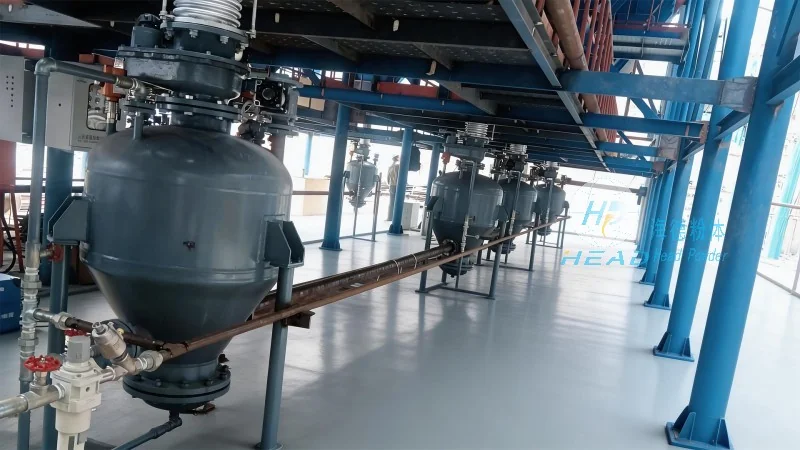
The design of a glass raw material pneumatic conveying system follows specific principles to ensure maximum efficiency, reliability, and longevity. One of the fundamental principles is the selection of the appropriate conveying method, which can be categorized as dilute phase or dense phase. Dilute phase systems use low air-to-material ratios, typically moving materials at high velocities through the pipeline, suitable for short distances and less abrasive materials. Dense phase systems, on the other hand, use higher air-to-material ratios and lower velocities, ideal for longer distances and more abrasive or sensitive materials, as they reduce material degradation and wear on the system components. Another critical design principle is the proper sizing of the conveying line and air compressor, ensuring that the system operates within the optimal pressure and flow range. The system must also account for the specific properties of the glass raw materials, such as particle size, density, and moisture content, as these factors directly impact the conveying efficiency and system performance. For example, materials with high moisture content may require additional drying or moisture control measures to prevent clogging or corrosion in the system. The design also considers the layout of the facility, ensuring that the conveying line is installed with appropriate slopes and bends to facilitate material flow and prevent stagnation or blockages.
Benefits of Implementing a Pneumatic Conveying System for Glass Raw Materials
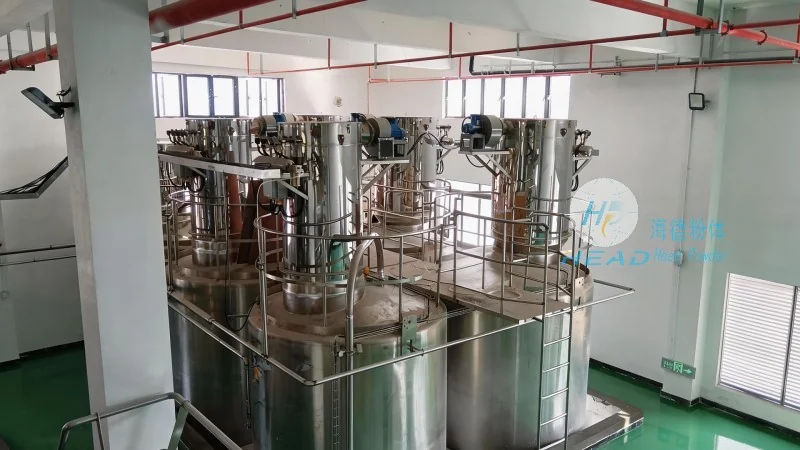
Adopting a glass raw material pneumatic conveying system offers numerous benefits that enhance both operational efficiency and product quality. One of the most significant advantages is the reduction of dust and contamination, as the system operates in a closed environment, preventing material from coming into contact with the air and reducing the risk of product contamination. This is particularly important in glass manufacturing, where even small amounts of impurities can affect the final product's clarity and color. Additionally, the system improves safety by eliminating the need for manual handling of bulk materials, reducing the risk of accidents and injuries. The closed system also helps in maintaining a cleaner working environment, which is beneficial for both employees and the overall production process. From an operational standpoint, pneumatic conveying systems offer greater flexibility in material handling, allowing for the integration of multiple storage and processing areas without the need for extensive infrastructure modifications. The system can also be easily scaled to accommodate changes in production volume, providing long-term investment value. Furthermore, the reduced need for manual labor and the ability to operate continuously contribute to lower operational costs and increased productivity.
Application Examples and Case Studies
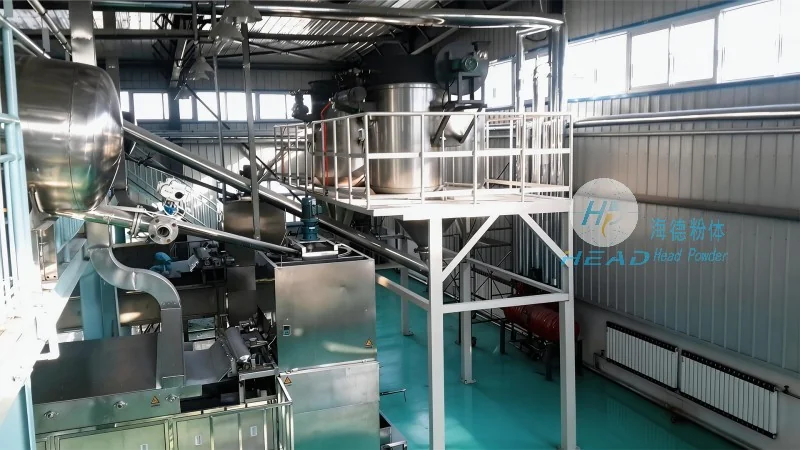
HeadPowder, a leading provider of engineering solutions for the glass industry, has successfully implemented glass raw material pneumatic conveying systems in various glass manufacturing facilities across China. For instance, a client in Shandong, China, required a system to transport sand and limestone from their storage silos to the glass furnace. The system designed by HeadPowder Engineering Co., Ltd. utilized a dense phase conveying method to handle the abrasive nature of the materials over a distance of 150 meters. The system included a large material hopper, a rotary valve feeder, and a stainless steel conveying line, all designed to withstand the harsh conditions of the glass production environment. The implementation of this system resulted in a significant reduction in material handling time and labor costs, while improving the overall quality of the glass produced. Another example is a client in a glass container manufacturing plant, where the system was used to transport soda ash and feldspar from storage to the mixing area. The system was designed with a dilute phase conveying method, suitable for the shorter distance and less abrasive materials, and included a dust collector to ensure compliance with environmental regulations. These case studies demonstrate the effectiveness of glass raw material pneumatic conveying systems in improving operational efficiency and product quality in glass manufacturing.




