When it comes to handling and transporting silica fume, a fine powder with high surface area and reactivity, selecting the right conveying method is crucial for maintaining material integrity and operational efficiency. Silica fume, also known as microsilica, is widely used in concrete and other industrial applications due to its beneficial properties. However, its fine particle size and tendency to agglomerate can pose challenges during transport. This article provides a detailed comparison of common silica fume conveying methods, highlighting their advantages, disadvantages, and suitability for different industrial settings.
Understanding Silica Fume and Conveying Challenges
Silica fume is a byproduct of silicon metal or ferrosilicon production, consisting of amorphous silicon dioxide particles with a typical particle size of 0.1 to 0.2 microns. Its high specific surface area (up to 20,000 m²/kg) and hygroscopic nature make it prone to caking and bridging in storage and transport systems. Effective conveying methods must address these challenges to prevent material degradation, equipment blockages, and loss of product quality. The choice of conveying system often depends on factors such as material flow rate, distance, environmental conditions, and the need for dust control.
1. Air-Driven Pneumatic Conveying Systems
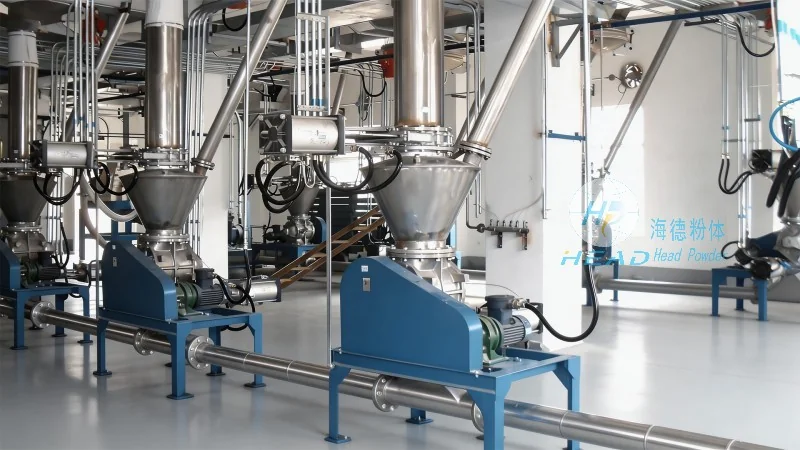
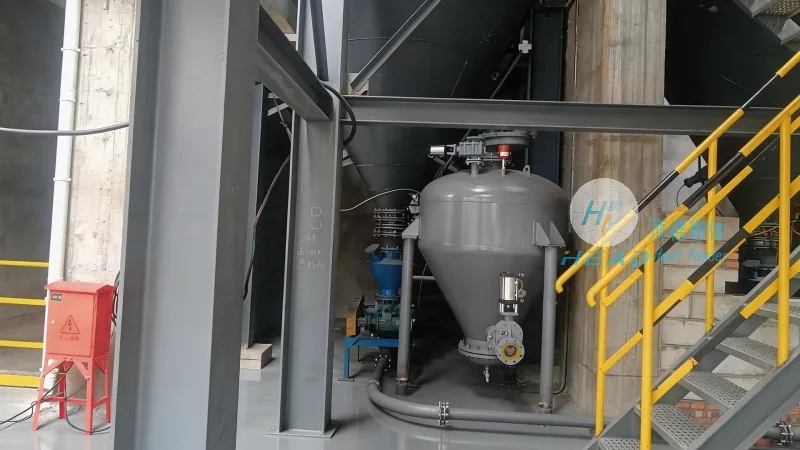
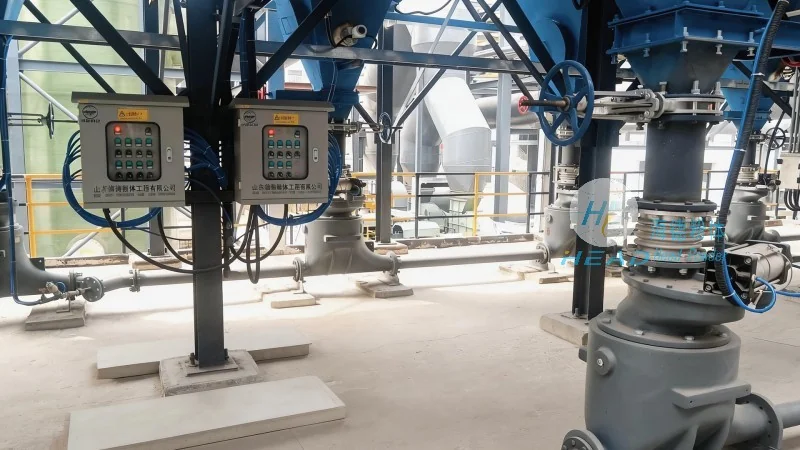
Pneumatic conveying, particularly the positive displacement type, is one of the most common methods for transporting silica fume. This system uses compressed air to create a pressure differential that propels the powder through a pipeline. The positive displacement design, which includes rotary lobe or sliding vane pumps, ensures consistent material flow and prevents backflow, making it suitable for high-volume applications. A key advantage of pneumatic conveying is its ability to handle fine powders without the need for mechanical components that might cause abrasion or blockage. However, it requires significant energy input for air compression and may generate dust if not properly sealed. The system is ideal for short to medium distances (up to several hundred meters) and can be integrated with silos and storage tanks for automated material transfer.
2. Screw or Auger Conveyors
Screw conveyors, also known as auger conveyors, are another widely used method for transporting silica fume, especially in horizontal or slightly inclined applications. These systems consist of a rotating screw within a tube that moves material forward through the conveyor. Screw conveyors are relatively simple, low-cost, and can handle moderate flow rates. They are particularly effective for conveying bulk materials over short distances (typically up to 30 meters) and are often used in batching plants or storage facilities. A major advantage is their ability to operate in a closed system, reducing dust exposure and environmental impact. However, screw conveyors may experience wear and tear due to the abrasive nature of silica fume, and they are less suitable for very fine powders that can cause clogging or excessive friction. Proper maintenance and material conditioning (e.g., adding a small amount of moisture to prevent agglomeration) are essential for optimal performance.
3. Hydraulic Conveying Systems
Hydraulic conveying, or slurry transport, involves mixing silica fume with water to form a slurry, which is then pumped through pipelines using high-pressure pumps. This method is particularly effective for long-distance transport (up to several kilometers) and is commonly used in mining and mineral processing industries. The primary advantage of hydraulic conveying is its ability to handle high flow rates and abrasive materials without significant wear on equipment. However, it requires additional equipment for slurry preparation and separation, and the process generates wastewater that needs treatment. The system is less suitable for applications where water contact is undesirable, such as in food or pharmaceutical industries. For silica fume applications, hydraulic conveying is often used in large-scale production facilities where the cost of water and treatment is justified by the efficiency of long-distance transport.
4. Belt Conveyors
Belt conveyors are a traditional method for transporting bulk materials, including silica fume, over longer distances and at higher flow rates. These systems consist of a continuous belt that moves material from one point to another, supported by rollers and a drive system. Belt conveyors are highly efficient for horizontal and slight incline applications and can handle large volumes of material. A key advantage is their ability to operate continuously with minimal maintenance, making them suitable for 24/7 industrial operations. However, they require significant space and may generate dust if the belt is not properly sealed or if the material is fine and prone to spillage. Belt conveyors are often used in conjunction with other equipment, such as hoppers and storage silos, to create a complete material handling system. The choice of belt material (e.g., rubber or PVC) is critical to prevent abrasion and ensure durability when handling silica fume.
5. Vacuum Conveying Systems
Vacuum conveying, also known as negative pressure or suction conveying, uses a vacuum pump to draw silica fume from a source into a collection container. This method is ideal for short-distance transport (typically up to 50 meters) and is commonly used in laboratory settings or small-scale production facilities. The primary advantage of vacuum conveying is its ability to handle fine powders without the need for high air pressure, reducing energy consumption and equipment wear. It also provides better dust control compared to positive pressure systems, as the material is drawn into the system rather than being expelled. However, vacuum systems may have lower flow rates and are less suitable for high-volume applications. The system is often used for transferring silica fume from storage silos to processing equipment or for sampling and quality control purposes.
Comparative Analysis and Recommendations
When selecting a conveying method for silica fume, several factors must be considered to ensure optimal performance and cost-effectiveness. The distance of transport, required flow rate, and environmental regulations are the most critical factors. For short distances and moderate flow rates, screw or auger conveyors are often the most economical choice, especially when dust control is a priority. For longer distances and high flow rates, pneumatic or hydraulic systems may be more suitable, depending on the available infrastructure and energy costs. Vacuum conveying is best suited for small-scale or laboratory applications where dust control and low energy consumption are paramount.
HeadPowder, a leading supplier of silica fume and related engineering solutions, offers comprehensive conveying system solutions tailored to specific industrial needs. With years of experience in material handling, HeadPowder provides customized equipment and expert advice to ensure efficient and reliable transport of silica fume. The company’s commitment to quality and customer satisfaction has made it a trusted partner for businesses in the concrete, construction, and industrial sectors. Whether you need a new conveying system or maintenance services for existing equipment, HeadPowder is dedicated to helping you achieve optimal performance and minimize operational costs.




