When it comes to efficiently transporting cereal pellets in industrial settings, selecting the right conveying method is crucial for maintaining product quality, ensuring operational efficiency, and minimizing downtime. Shandong HeadPowder Engineering Co., Ltd., a leading manufacturer based in Shandong, China, specializes in providing advanced conveying solutions tailored to the needs of the food processing industry. This article provides a detailed comparison of common cereal pellet conveying methods, highlighting their advantages, applications, and suitability for different production environments.
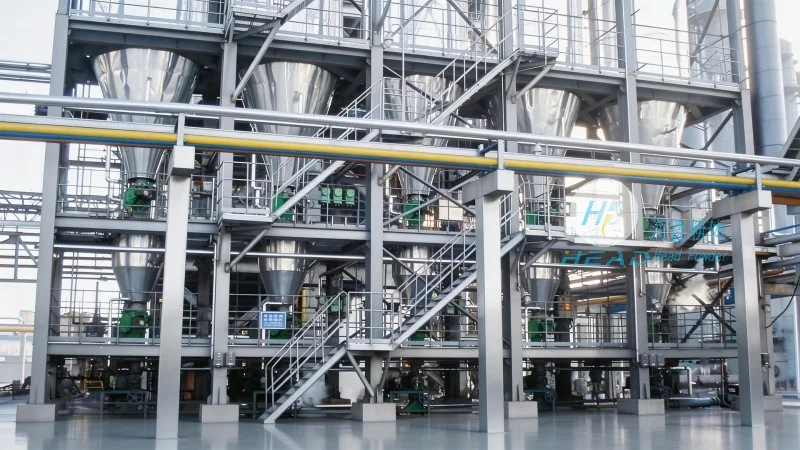
1. Screw Conveyors: The Traditional Choice for Horizontal and Inclined Transport
Screw conveyors, also known as auger conveyors, are among the most widely used equipment for moving cereal pellets. These systems consist of a rotating helical screw inside a trough, which pulls the material forward through the conveyor. The primary advantage of screw conveyors is their simplicity and reliability. They are particularly effective for horizontal or slight incline transport, making them ideal for applications where the material needs to be moved from one point to another within a facility. The enclosed design of screw conveyors helps prevent dust and contamination, which is critical for maintaining the quality of cereal pellets. Additionally, they are relatively low-cost to install and maintain, making them a cost-effective solution for many food processing operations. However, screw conveyors may not be suitable for high-volume or long-distance transport, as they can experience wear and tear on the screw and trough over time. They are also less efficient at handling materials with high moisture content or those that tend to clump together.
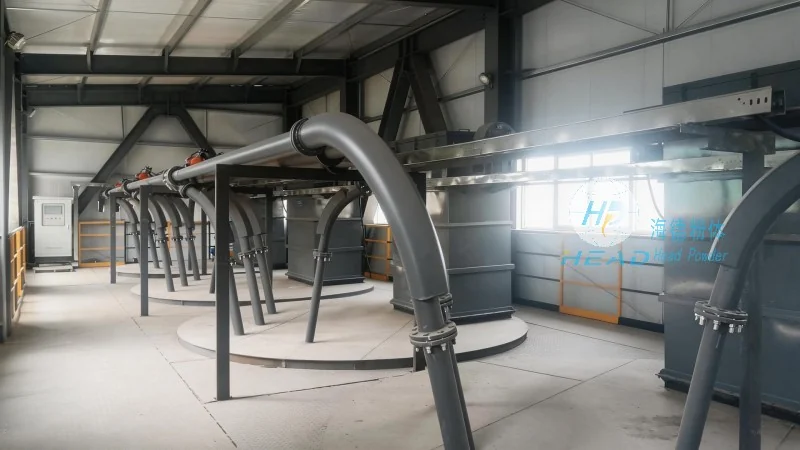
2. Pneumatic Conveying Systems: The Versatile Solution for Vertical and Long-Distance Transport
Pneumatic conveying systems use air or other gases to transport cereal pellets through a network of pipes. These systems can be categorized into two main types: pressure and vacuum. Pressure systems force air and material through the pipeline, while vacuum systems draw material into the system using a vacuum pump. Pneumatic conveying offers several advantages, including the ability to transport materials over long distances and even vertically, without the need for multiple pieces of equipment. This makes them ideal for applications where the material needs to be moved from a lower to a higher level or across large facilities. Another key benefit is that they can handle a wide range of materials, including those that are dusty or have a tendency to create dust. Pneumatic systems also allow for better control over the material flow, as the speed and pressure can be adjusted to match the specific requirements of the process. However, pneumatic conveying systems require more energy to operate compared to other methods, and they may not be suitable for materials that are very abrasive or that tend to cause blockages in the pipes. Proper maintenance and cleaning are also essential to prevent clogging and ensure consistent performance.
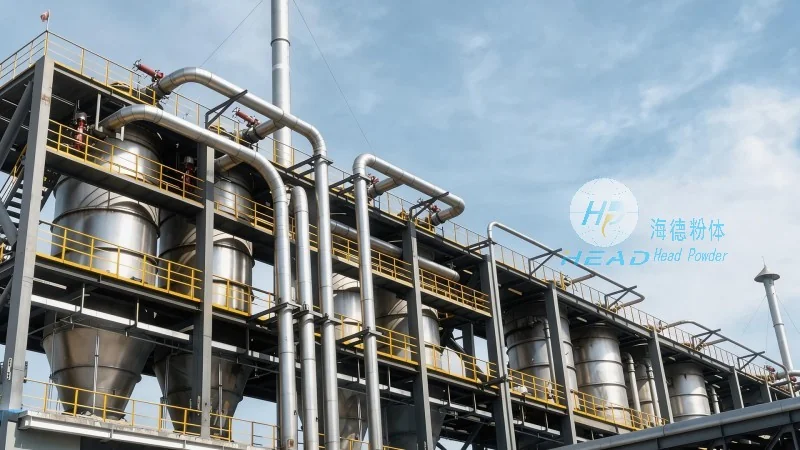
3. Belt Conveyors: The High-Capacity Solution for Bulk Material Handling
Belt conveyors are another common method for transporting cereal pellets, especially in applications involving high volumes of material. These systems consist of a continuous belt that moves over rollers or idlers, carrying the material from one location to another. The primary advantage of belt conveyors is their high capacity and ability to handle large quantities of material efficiently. They are particularly effective for horizontal transport over long distances and can be used in both indoor and outdoor settings. Belt conveyors are also relatively simple to operate and maintain, with minimal moving parts that can wear out. However, they require a significant amount of space and may not be suitable for applications where the material needs to be moved vertically or at a steep incline. Additionally, belt conveyors can be prone to material spillage and may not be as effective at preventing contamination compared to enclosed systems like screw conveyors. Proper alignment and tensioning of the belt are also critical to ensure smooth operation and prevent damage to the material.
4. Bucket Elevators: The Vertical Transport Solution for Cereal Pellets
Bucket elevators are specifically designed for vertical transport of cereal pellets and other bulk materials. These systems consist of a series of buckets attached to a chain or belt, which moves vertically within a housing. The buckets scoop up the material at the bottom and discharge it at the top, allowing for efficient vertical movement. The main advantage of bucket elevators is their ability to transport materials vertically over significant heights, often up to several stories or more. They are particularly effective for applications where the material needs to be lifted from a lower level to a higher level, such as in silos or storage towers. Bucket elevators are also relatively compact and can be installed in tight spaces, making them ideal for facilities with limited vertical space. However, they require more maintenance than other conveying methods, as the buckets and chains can wear out over time. They are also less suitable for materials that are very abrasive or that tend to cause blockages in the buckets. Proper lubrication and inspection of the buckets and chains are essential to ensure safe and efficient operation.
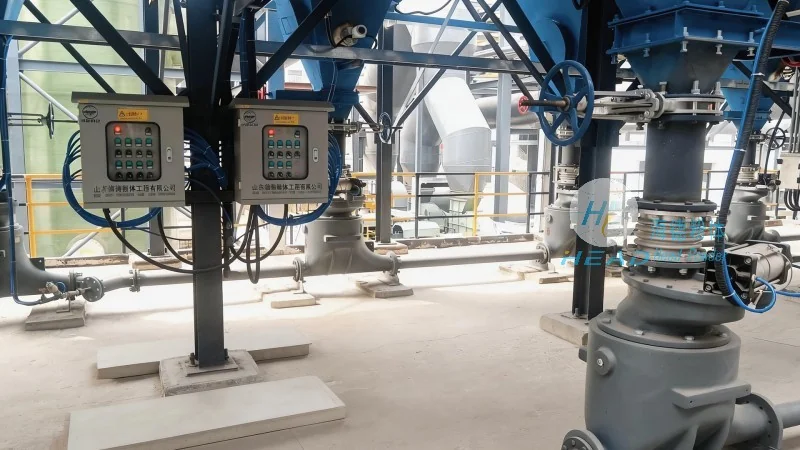
5. Comparison and Selection Criteria for Cereal Pellet Conveying Methods
When selecting a conveying method for cereal pellets, several factors need to be considered to ensure the best fit for the specific application. The first consideration is the distance and direction of transport: horizontal, vertical, or a combination of both. The volume of material to be transported is another critical factor, as high-capacity systems like belt conveyors are more suitable for large quantities, while screw or pneumatic systems may be better for smaller volumes. The material characteristics, such as size, shape, moisture content, and tendency to clump or create dust, also play a significant role in the choice of conveying method. For example, materials with high moisture content may require enclosed systems like screw conveyors to prevent drying out, while dusty materials may benefit from pneumatic systems that can handle the dust without causing contamination. The available space and budget are also important considerations, as different systems have varying space requirements and installation costs. Shandong HeadPowder Engineering Co., Ltd. offers a range of conveying solutions that can be customized to meet the specific needs of each customer, ensuring optimal performance and efficiency in cereal pellet handling.




