Quicklime, also known as calcium oxide (CaO), is a critical industrial material utilized across sectors including construction, chemical manufacturing, and environmental remediation. The efficient and safe transportation of quicklime from production sites to processing facilities is paramount for maintaining operational efficiency and product integrity. Pneumatic conveying systems have become the preferred method for handling quicklime due to their ability to transport powders in a dust-free environment, reducing health hazards and operational costs. This article explores the fundamental principles behind quicklime pneumatic conveying equipment, detailing the key components, operational mechanisms, and practical applications that make this technology indispensable in modern industrial settings.
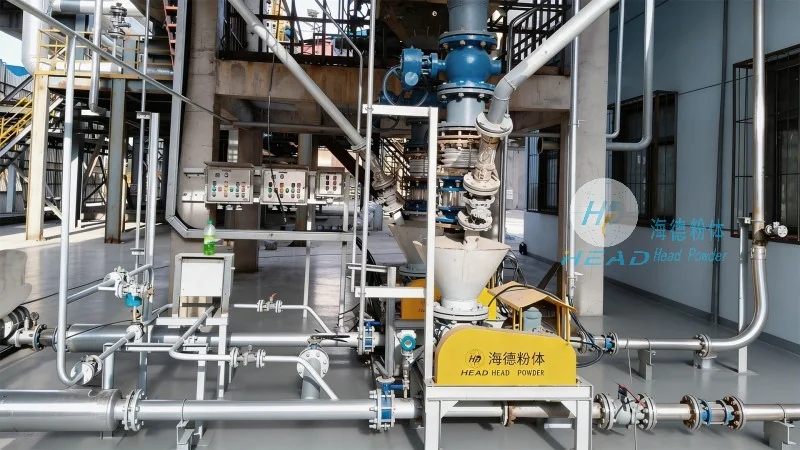
Key Components of Quicklime Pneumatic Conveying Systems
The core of any pneumatic conveying system for quicklime comprises interconnected components engineered to handle the material's characteristics. The primary components include the hopper, feeder, air compressor, conveying line, and receiver. The hopper serves as the storage and feeding unit, ensuring a consistent flow of quicklime into the system. A rotary valve or screw feeder is typically employed to control material discharge rate, preventing overloading or underloading of the conveying line. The air compressor generates the necessary pressure or vacuum to move quicklime particles through the pipeline. The conveying line, often constructed from stainless steel or other corrosion-resistant materials, is designed to withstand the abrasive nature of quicklime and maintain airtight integrity. The receiver, or silo, collects the conveyed quicklime at the destination, ready for further processing. Each component plays a critical role in ensuring the system operates smoothly and efficiently.
Operational Mechanisms and Flow Types
Quicklime pneumatic conveying systems operate based on two main flow types: pressure and vacuum. Pressure systems utilize compressed air to push the material through the pipeline, while vacuum systems employ a vacuum to pull the material. The choice between these systems depends on factors such as the distance to be covered, the quantity of material to be conveyed, and the desired flow rate. In pressure systems, the air compressor supplies high-pressure air mixed with quicklime in the hopper, creating a slurry-like mixture that moves through the pipeline. The velocity of the air is crucial; it must be sufficient to overcome gravitational and frictional forces acting on the quicklime particles. In vacuum systems, a vacuum pump creates a low-pressure environment that draws the quicklime into the pipeline. Both systems require precise control of air flow and material feed to maintain stable operation and prevent blockages or material degradation.
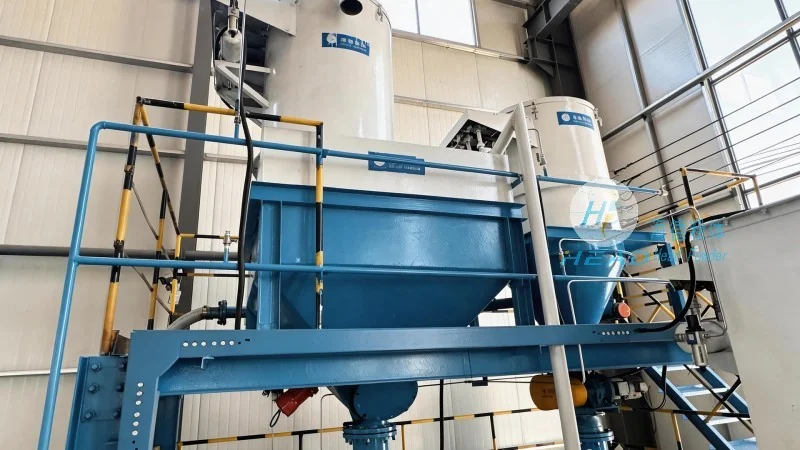
Advantages of Pneumatic Conveying for Quicklime
Compared to traditional methods like belt conveyors or bucket elevators, pneumatic conveying offers several advantages for quicklime handling. One of the most significant benefits is the ability to transport quicklime in a dust-free environment, enhancing workplace safety and reducing respiratory risks among operators. The enclosed system also minimizes material loss and contamination, ensuring the quicklime remains in its purest form. Additionally, pneumatic conveying systems are highly flexible, allowing for changes in the conveying route or destination without major structural modifications. This adaptability is particularly valuable in industrial settings where production layouts may evolve over time. Furthermore, the system's capability to handle quicklime at high temperatures without causing material degradation makes it suitable for applications involving hot quicklime. The energy efficiency of modern pneumatic conveying systems, especially when using variable frequency drives (VFDs) to control the air compressor, contributes to lower operational costs and reduced environmental impact.
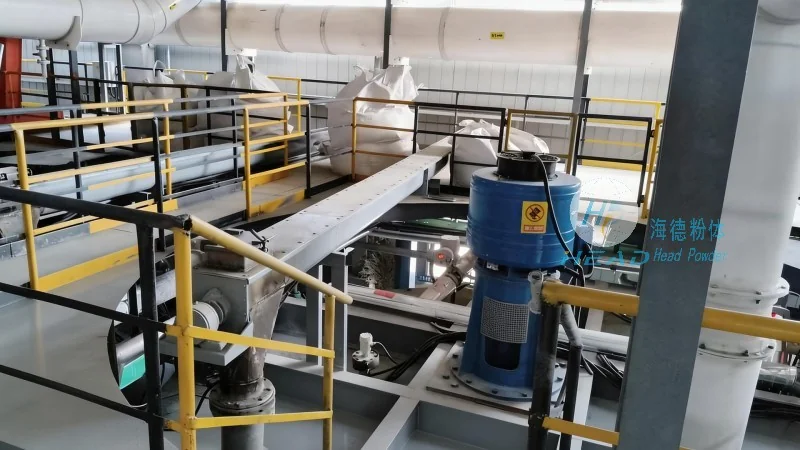
Applications in Industrial Settings
The principles of quicklime pneumatic conveying are applied across diverse industrial processes. In the construction industry, quicklime is used as a raw material for cement production and as a component in mortar and concrete. Pneumatic conveying systems efficiently transport quicklime from storage silos to cement kilns or mixing plants, ensuring a continuous supply of raw material. In the chemical industry, quicklime is integral to the production of calcium chloride, sodium hydroxide, and other chemicals. The ability to handle quicklime in a controlled environment is essential for maintaining product purity and preventing contamination during chemical reactions. Environmental treatment facilities also rely on quicklime for neutralizing acidic waste streams. Pneumatic conveying systems enable the safe and efficient delivery of quicklime to treatment units, ensuring optimal performance of waste treatment processes. The versatility of quicklime and the efficiency of pneumatic conveying make this combination a cornerstone of modern industrial operations.
About Shandong HeadPowder Engineering Co., Ltd.
Shandong HeadPowder Engineering Co., Ltd., operating under the brand name headpowder, is a leading manufacturer and supplier of pneumatic conveying equipment and related solutions. With a strong focus on innovation and customer satisfaction, the company specializes in designing and manufacturing customized quicklime pneumatic conveying systems tailored to specific industrial needs. Headpowder's team of engineers and technicians leverages years of experience in material handling to develop solutions that enhance operational efficiency, reduce costs, and improve safety. The company's facilities in Shandong, China, are equipped with state-of-the-art manufacturing equipment and quality control systems, ensuring every product meets the highest industry standards. Headpowder's commitment to providing reliable and durable equipment has earned it a reputation as a trusted partner in the industrial sector, serving clients across various industries worldwide.




