For industrial operations that involve handling fine powders and dust, selecting the right dust conveying method is crucial for efficiency, safety, and cost-effectiveness. This article provides a detailed comparison of common dust conveying methods, highlighting their applications, advantages, and considerations. The information is presented by Shandong HeadPowder Engineering Co., Ltd., a leading provider of dust handling solutions based in China.
Introduction to Dust Conveying Systems
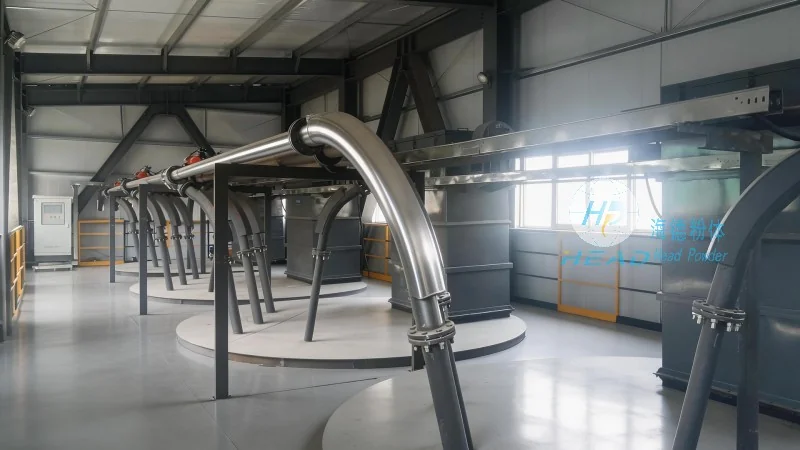
Dust conveying systems are essential in industries such as pharmaceuticals, food processing, and chemical manufacturing, where the transport of powders and dust is required without compromising product quality or environmental standards. The choice of a conveying method depends on factors like the type of material, particle size, moisture content, and the distance over which the material needs to be transported. Below, we explore several common methods used in industrial settings.
Air-Pressure Conveying (Positive Pressure)
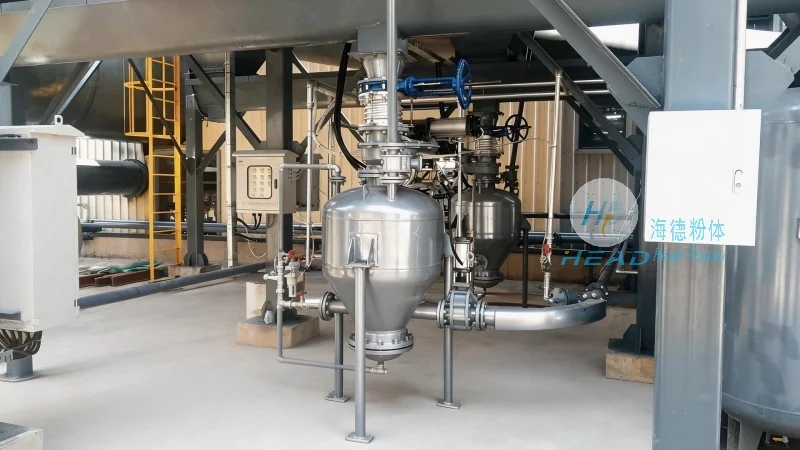
Air-pressure conveying, also known as positive pressure or pneumatic conveying, is a widely used method for transporting dry powders and dust. In this system, air is forced through a pipeline at high pressure, carrying the material from the source to the destination. The primary advantage of this method is its ability to handle a wide range of materials, including those that are abrasive or have varying particle sizes. It also allows for the transportation of materials over long distances and can be integrated with other processing equipment. However, air-pressure conveying may require more energy compared to other methods and can be less efficient for very fine or cohesive powders.
Air-Vacuum Conveying (Negative Pressure)
Conversely, air-vacuum conveying operates under negative pressure, where a vacuum is created at the receiving end to draw the material into the system. This method is particularly suitable for applications where the material needs to be transported from a higher elevation to a lower one or where the material is sensitive to pressure changes. The main benefits include lower energy consumption for short to medium distances and the ability to handle materials that are prone to dust explosions when exposed to air. However, it may not be as effective for very fine powders or materials that are prone to caking, as the vacuum can sometimes cause material to stick to the pipeline walls.
Screw Conveyors
Screw conveyors, also known as auger conveyors, are mechanical devices that use a rotating screw to move material through a tube or trough. This method is commonly used for transporting bulk materials, including dry powders and dust, over short to medium distances. Screw conveyors are particularly effective for materials that are free-flowing and non-abrasive. They offer advantages such as simplicity, low maintenance, and the ability to operate in a variety of orientations. However, they may not be suitable for very fine or cohesive powders, as the screw can cause material to compact or clog the system. Additionally, the speed of material transport is generally lower compared to pneumatic conveying methods.
Pneumatic Conveying Systems: Advantages and Limitations
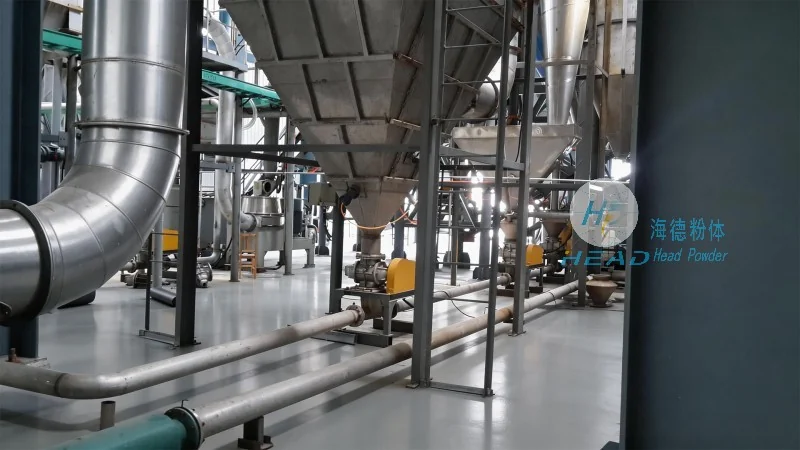
When comparing air-pressure and air-vacuum conveying, it's important to consider the specific requirements of the application. Air-pressure systems are often preferred for long-distance transport and handling of abrasive materials, while air-vacuum systems are better suited for short distances and materials that are sensitive to pressure changes. The choice of system also depends on the energy efficiency and cost considerations. For example, air-pressure systems may require more power to operate, but they can handle higher volumes of material. In contrast, air-vacuum systems may consume less energy but have limitations in terms of material capacity and distance.
Material Characteristics and Conveying Method Selection
The selection of a dust conveying method is heavily influenced by the characteristics of the material being handled. For instance, materials with high moisture content or those that are prone to caking may require special considerations. In such cases, air-pressure conveying might be preferred to prevent material from sticking to the pipeline walls. Conversely, materials that are very fine and lightweight may be better suited for air-vacuum systems, as the vacuum can effectively draw the material into the system without causing excessive pressure on the material particles. The particle size distribution, density, and flowability of the material are all critical factors that must be evaluated when choosing the appropriate conveying method.
Installation and Maintenance Considerations
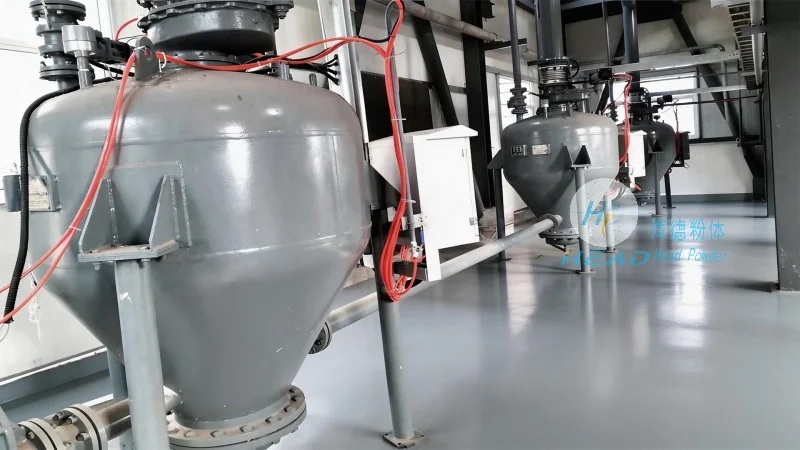
Once a dust conveying method is selected, proper installation and maintenance are essential to ensure optimal performance and longevity of the system. For air-pressure conveying systems, regular checks of air pressure and pipeline integrity are necessary to prevent leaks that could lead to material loss or contamination. Screw conveyors require periodic inspection of the screw and trough to ensure that there is no buildup of material or wear that could affect the conveying efficiency. Additionally, all systems should be equipped with appropriate safety features, such as dust collection and explosion-proof components, to comply with industrial safety regulations. By adhering to proper installation and maintenance practices, industrial facilities can maximize the efficiency and reliability of their dust conveying systems.
Conclusion
In conclusion, the choice of a dust conveying method depends on a variety of factors, including the material properties, distance of transport, and operational requirements. Air-pressure and air-vacuum conveying offer effective solutions for different applications, while screw conveyors provide a reliable alternative for certain materials. By understanding the advantages and limitations of each method, industrial operators can select the most suitable system to meet their needs. Shandong HeadPowder Engineering Co., Ltd. specializes in providing customized dust handling solutions that address the specific challenges of each application, ensuring efficient and safe material transport in industrial settings.




