Efficient and reliable ash handling is a critical component of modern industrial operations, particularly in power generation and waste management facilities. The proper selection of an ash transport system directly impacts operational efficiency, safety, and environmental compliance. This article provides a detailed comparison of common ash handling methods, highlighting their characteristics, advantages, and typical applications. The information is presented with a focus on practical implementation, drawing on industry standards and real-world operational experiences.
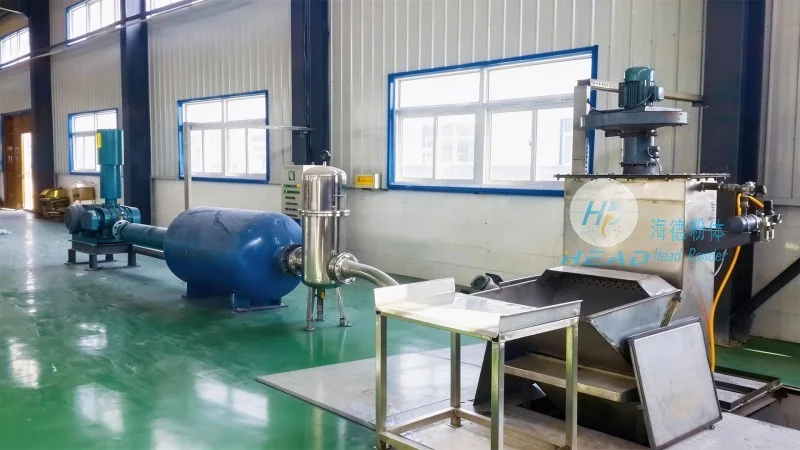
Overview of Ash Handling Systems
Ash handling systems are designed to collect, transport, and dispose of ash generated from combustion processes. The choice of system depends on several factors, including the type of fuel burned, the volume of ash produced, the distance to be transported, and the environmental regulations in the region. Common methods include gravity-based systems, mechanical systems (such as conveyor belts and screw conveyors), and pneumatic (air-assisted) systems. Each method has its own set of advantages and limitations, making it essential to evaluate them based on specific project requirements.
Gravity Ash Handling Systems
Gravity systems rely on the natural force of gravity to move ash from the boiler or furnace to a storage or disposal location. These systems typically consist of a series of chutes or troughs that allow ash to slide down under the influence of gravity. The primary advantage of gravity systems is their simplicity and low operational cost, as they require minimal moving parts and energy input. However, their effectiveness is highly dependent on the angle of the chute and the characteristics of the ash, such as moisture content and particle size. In applications where the ash is dry and free-flowing, gravity systems can be highly efficient. For example, in coal-fired power plants, gravity chutes are commonly used to transport ash from the bottom of the boiler to a storage silo. The system's simplicity makes it a cost-effective solution for facilities with low ash volumes and short transport distances.
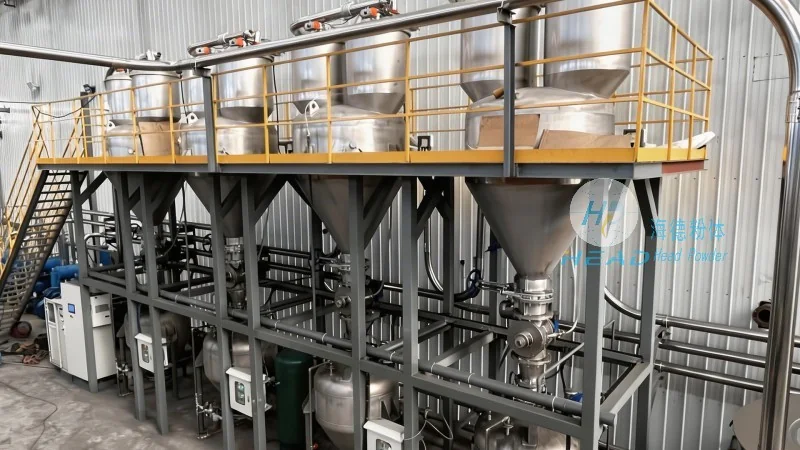
Mechanical Ash Handling Systems
Mechanical systems utilize mechanical components like conveyor belts, screw conveyors, and bucket elevators to transport ash. These systems are more versatile than gravity systems and can handle a wider range of ash types and conditions. Conveyor belts are particularly effective for transporting large volumes of ash over moderate distances. They are capable of handling wet or sticky ash and can be designed with multiple inclines to manage different slopes. Screw conveyors, on the other hand, are ideal for transporting ash in a vertical or horizontal direction, especially in confined spaces. They are self-contained and require minimal maintenance, making them suitable for applications where space is limited. The mechanical advantage of these systems lies in their ability to handle challenging ash conditions, such as high moisture content or abrasive particles. However, they require more energy and maintenance compared to gravity systems, which can increase operational costs over time.
Pneumatic (Air-Assisted) Ash Handling Systems
Pneumatic systems use compressed air to transport ash particles through a pipeline. The ash is suspended in the air stream and carried to the destination. These systems are highly flexible and can transport ash over long distances with minimal space requirements. They are particularly effective for handling fine ash particles and can be integrated with other systems, such as dust collection equipment. The main advantage of pneumatic systems is their ability to handle ash in a closed system, reducing dust emissions and improving environmental safety. However, they require significant energy input to operate the air compressor and can be more expensive to install and maintain compared to other methods. The efficiency of pneumatic systems depends on the air pressure and the design of the pipeline, which must be carefully engineered to prevent blockages and ensure consistent flow.
Comparative Analysis of Ash Handling Methods
When selecting an ash handling system, it is essential to compare the different methods based on key performance indicators such as efficiency, cost, reliability, and environmental impact. Gravity systems are the most economical option for short distances and dry ash, but they are limited by the angle of the chute and the ash's physical properties. Mechanical systems offer greater flexibility and can handle a wider range of ash conditions, but they come with higher operational costs and maintenance requirements. Pneumatic systems provide the highest level of flexibility and environmental control, making them suitable for long-distance transport and fine ash, yet they are the most energy-intensive and expensive to operate.
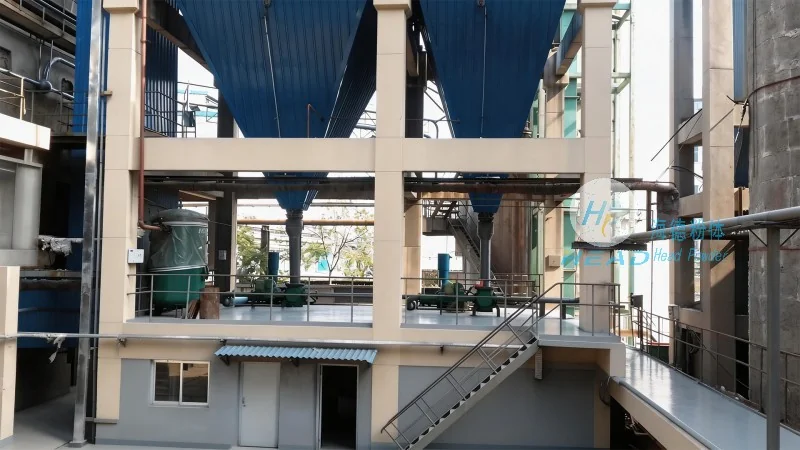
Application Considerations and Best Practices
The choice of ash handling system should be based on a thorough analysis of the facility's specific needs. For example, in a coal-fired power plant with a large volume of dry ash and a short transport distance, a gravity system may be the most cost-effective solution. In contrast, a facility with wet ash and a long transport distance may benefit from a mechanical conveyor system. Pneumatic systems are often preferred in applications where environmental compliance is a top priority, as they can effectively control dust emissions and ensure safe transport. It is also important to consider the maintenance requirements of each system. Gravity systems require regular inspection of chutes to prevent blockages, while mechanical systems need routine checks of belts and screws. Pneumatic systems require monitoring of air pressure and pipeline integrity to prevent leaks and blockages.
Conclusion
The selection of an ash handling system is a critical decision that impacts the overall efficiency and sustainability of industrial operations. By understanding the characteristics and limitations of each common method—gravity, mechanical, and pneumatic—facilities can make informed choices that align with their operational goals and environmental responsibilities. As technology advances, new materials and designs are being developed to improve the performance and reliability of ash handling systems. Companies like Shandong HeadPowder Engineering Co., Ltd., specialize in designing and manufacturing customized ash handling solutions tailored to the specific needs of their clients. With a focus on efficiency, safety, and environmental compliance, these systems play a vital role in modern industrial processes, ensuring that ash is managed effectively and responsibly.




