For industries dealing with crystal particles, efficient and reliable material handling is crucial. Pneumatic conveying systems have emerged as a sophisticated solution to meet these demands, offering advantages over traditional methods. This article explores the pivotal role of pneumatic conveying in the transport of crystal particles, highlighting its benefits and applications.
Understanding Pneumatic Conveying Systems
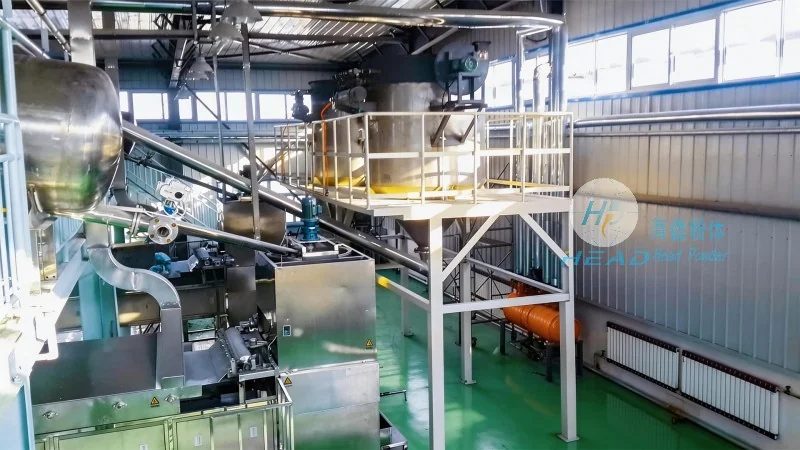
Pneumatic conveying involves the transport of solid particles through a pipeline using pressurized air or vacuum. This method is particularly effective for handling delicate or abrasive materials like crystal particles, which require minimal contact and gentle handling to maintain their quality and integrity. The system typically consists of a hopper, a conveyor line, and a control unit, ensuring a seamless flow from the source to the destination.
Key Advantages of Pneumatic Conveying for Crystal Particles
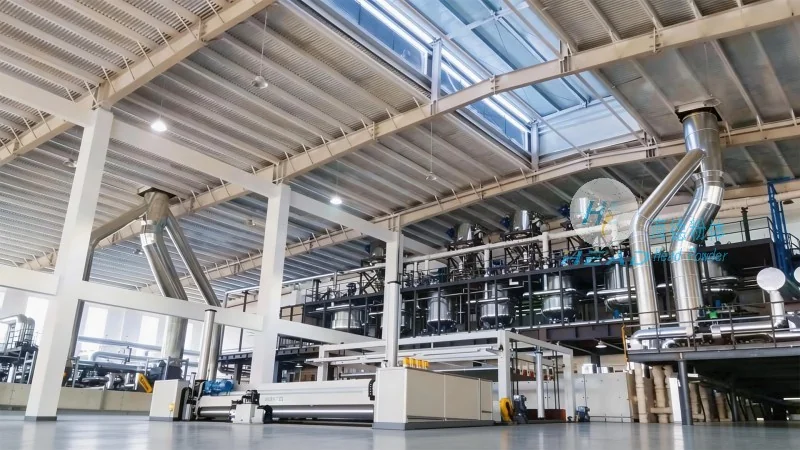
When it comes to transporting crystal particles, pneumatic conveying offers several key advantages. Firstly, it provides a dust-free environment, which is essential for maintaining the purity of the crystals and preventing contamination. Secondly, the system allows for gentle handling, reducing the risk of particle breakage or damage during transport. This is critical for industries where the crystal's size, shape, and surface quality are vital for downstream processes. Additionally, pneumatic conveying systems are highly flexible, enabling the movement of particles over long distances and varying elevations without the need for complex machinery or extensive infrastructure.
Applications in Various Industries
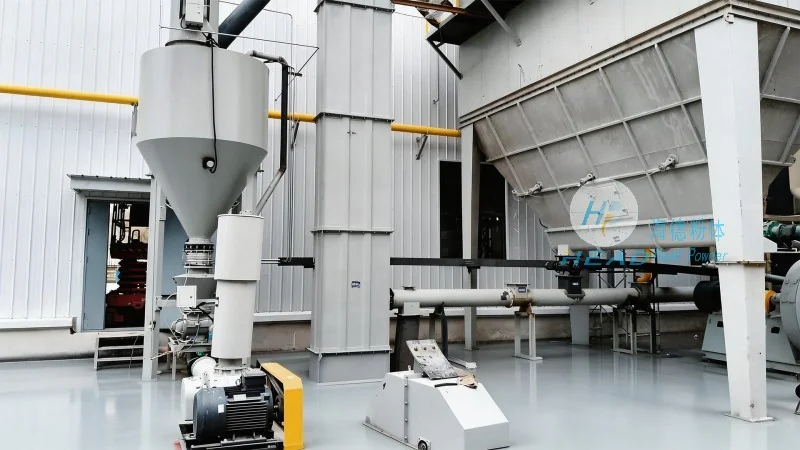
The versatility of pneumatic conveying makes it applicable across multiple sectors that utilize crystal particles. In the pharmaceutical industry, for instance, the transport of active pharmaceutical ingredients (APIs) in crystal form requires strict adherence to cleanliness and sterility standards. Pneumatic conveying systems, especially those designed with sanitary components, ensure that these standards are met while maintaining the material's integrity. Similarly, in the chemical and food industries, where crystal particles are used as raw materials or additives, the ability to handle these materials efficiently and hygienically is paramount. Companies like Shandong HeadPowder Engineering Co., Ltd., based in China, specialize in developing customized pneumatic conveying solutions tailored to the specific needs of these industries.
Customization and Scalability
One of the significant benefits of pneumatic conveying systems is their adaptability. Companies such as headpowder can design and implement systems that are scalable, allowing for expansion as production needs grow. Whether a small-scale operation or a large industrial plant, the system can be adjusted to handle varying volumes of crystal particles. This flexibility also extends to the type of crystals being transported, as different materials may require specific air pressures, pipeline diameters, or material feed mechanisms. The engineering expertise of companies like Shandong HeadPowder Engineering Co., Ltd. ensures that these customizations are executed efficiently, optimizing performance and minimizing operational costs.
Conclusion
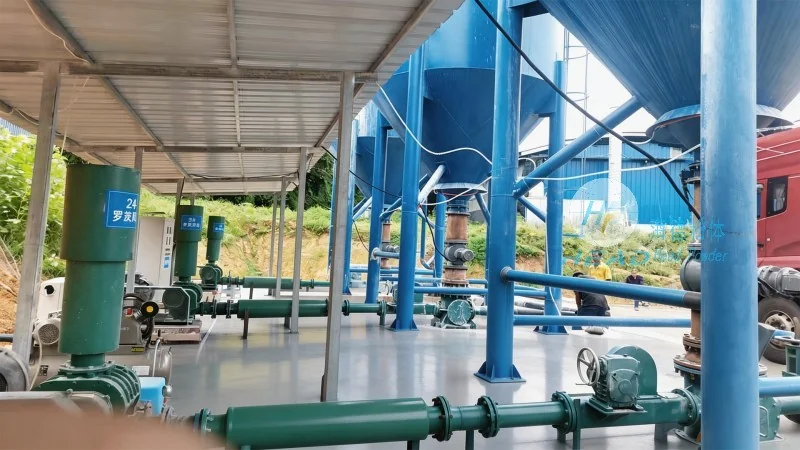
In conclusion, pneumatic conveying plays a vital role in the efficient and safe transport of crystal particles across various industries. Its ability to provide a clean, gentle, and flexible handling solution makes it an indispensable technology for companies dealing with these delicate materials. With companies like Shandong HeadPowder Engineering Co., Ltd. offering specialized services, businesses can leverage this technology to enhance their operational efficiency and maintain the quality of their crystal products. As the demand for high-quality crystal particles continues to grow, the role of advanced pneumatic conveying systems will only become more critical in meeting these industry needs.




