Lightweight aggregates, such as expanded clay, expanded shale, and other porous materials, are widely used in construction and industrial applications due to their lightweight properties and excellent thermal insulation. The efficient and reliable transportation of these materials is crucial for maintaining production efficiency and ensuring product quality. This article explores the various methods used for conveying lightweight aggregates, highlighting the key considerations and applications in industrial settings. The information provided is based on the expertise of Shandong HeadPowder Engineering Co., Ltd., a leading manufacturer and supplier of lightweight aggregate products and conveying systems.
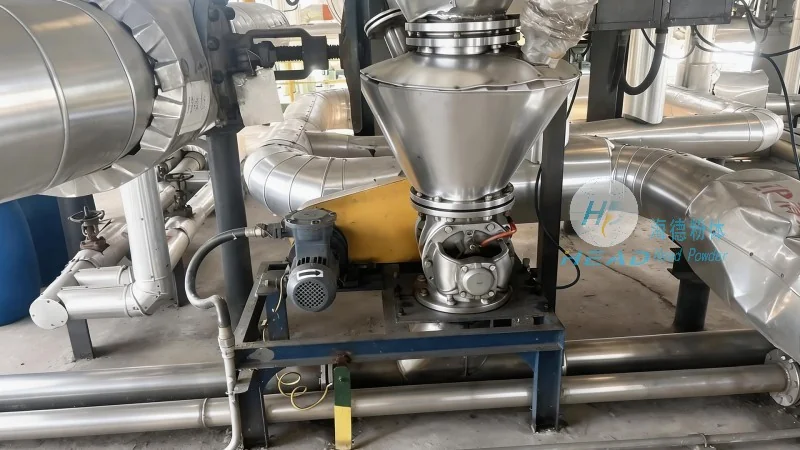
Understanding the Importance of Conveying Systems for Lightweight Aggregates
Before delving into specific conveying methods, it is essential to understand why the choice of a conveying system matters for lightweight aggregates. These materials often have unique physical characteristics, including low density, irregular shapes, and varying moisture content, which can affect how they are handled and transported. A well-designed conveying system must address these challenges to prevent material degradation, ensure consistent flow, and minimize operational costs. The selection of an appropriate method depends on factors such as the aggregate type, production volume, distance to be conveyed, and the environment in which the system operates.
Common Conveying Methods for Lightweight Aggregates
Several methods are commonly employed for the transportation of lightweight aggregates, each with its own advantages and limitations. The primary methods include belt conveyors, screw conveyors, pneumatic conveyors, and bucket elevators. Each of these systems is designed to handle the specific properties of lightweight aggregates while ensuring efficient and safe operation.
Belt Conveyors: A Versatile Solution for Horizontal and Inclined Transport
Belt conveyors are one of the most widely used methods for conveying lightweight aggregates, particularly for horizontal and slightly inclined transport. These systems consist of a continuous belt that moves over rollers or pulleys, transporting the material from one point to another. The belt can be made of various materials, such as rubber or plastic, depending on the aggregate's characteristics and the operating environment. Belt conveyors are known for their high capacity, low maintenance requirements, and ability to handle a wide range of material sizes and shapes. They are particularly effective for transporting large quantities of lightweight aggregates over long distances, making them a popular choice in industrial settings.
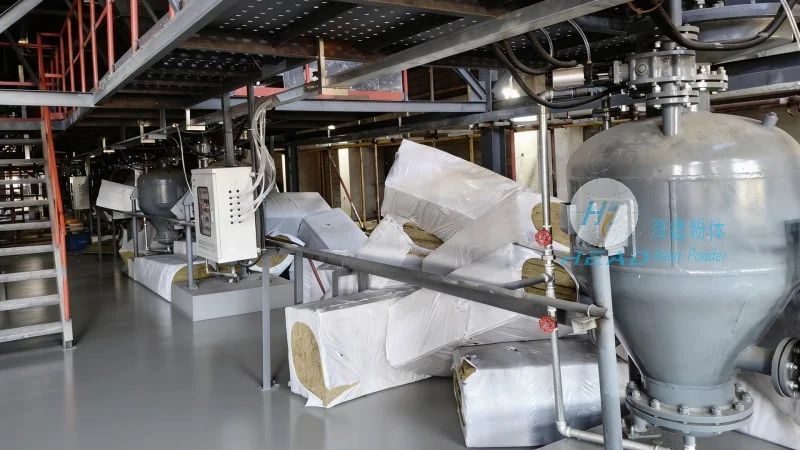
Screw Conveyors: Ideal for Horizontal and Vertical Transport
Screw conveyors, also known as auger conveyors, are another common method for transporting lightweight aggregates. These systems use a rotating screw or auger to move material along a trough or tube. Screw conveyors are highly effective for both horizontal and vertical transport, making them suitable for applications where the material needs to be lifted or moved at an angle. They are particularly useful for handling fine or powdery lightweight aggregates, as the screw can provide consistent and controlled flow. However, screw conveyors may not be as efficient for very large or irregularly shaped aggregates, as the screw may cause blockages or excessive wear.
Pneumatic Conveying: Efficient for Fine and Dusty Materials
Pneumatic conveying systems use air or other gases to transport lightweight aggregates through a pipeline. This method is particularly effective for fine or dusty materials, as it can handle particles that are difficult to move with mechanical systems. Pneumatic conveyors can be either positive pressure or negative pressure systems, depending on the application. Positive pressure systems blow air into the pipeline, pushing the material forward, while negative pressure systems create a vacuum to draw the material into the system. Pneumatic conveying is known for its ability to transport materials over long distances with minimal maintenance and the ability to handle materials that are sensitive to moisture or contamination. However, it may require higher energy consumption and can be less efficient for very large or heavy aggregates.
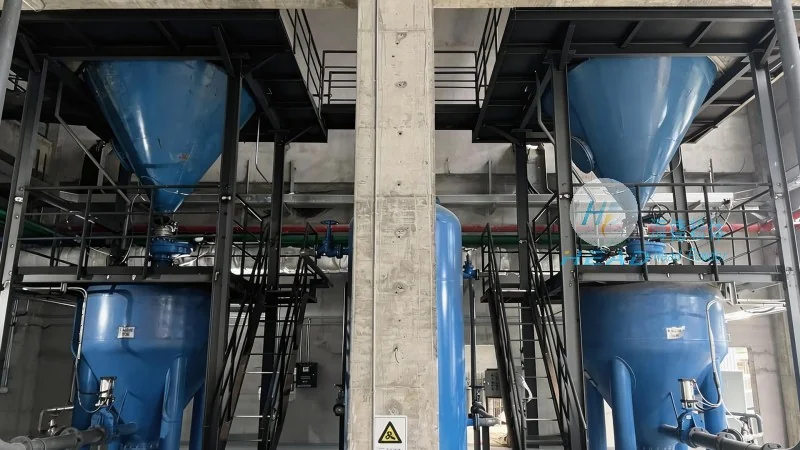
Bucket Elevators: Reliable for Vertical and Inclined Transport
Bucket elevators are a type of vertical conveyor system that uses a series of buckets attached to a belt or chain to transport lightweight aggregates vertically or at an incline. These systems are highly reliable and efficient for vertical transport, making them ideal for applications where the material needs to be lifted to a higher level. Bucket elevators can handle a wide range of material sizes and shapes, including irregularly shaped lightweight aggregates. They are particularly useful in industrial settings where vertical space is limited or where the material needs to be elevated to a significant height. However, bucket elevators may require more maintenance than other systems and can be more expensive to install.
Key Considerations for Selecting a Conveying Method
When selecting a conveying method for lightweight aggregates, several factors must be considered to ensure optimal performance and efficiency. The first consideration is the material's physical properties, including its density, shape, and moisture content. These factors will determine the most suitable conveying system, as some methods may be better suited for certain characteristics. The second consideration is the production volume and the distance to be conveyed. High production volumes may require more robust systems, such as belt conveyors, while shorter distances may allow for more compact solutions. The third consideration is the operating environment, including the temperature, humidity, and presence of dust or other contaminants. The chosen system must be able to withstand these conditions without degradation or failure. Finally, the cost of the system, including installation, maintenance, and energy consumption, must be evaluated to ensure it aligns with the budget and operational goals.
Conclusion: Choosing the Right Conveying Method for Lightweight Aggregates
Choosing the appropriate conveying method for lightweight aggregates is a critical decision that impacts production efficiency, product quality, and operational costs. By understanding the unique properties of lightweight aggregates and the advantages and limitations of different conveying systems, manufacturers can select the most suitable method for their specific needs. Whether using belt conveyors, screw conveyors, pneumatic systems, or bucket elevators, the goal is to ensure efficient, reliable, and cost-effective transportation of these valuable materials. With the right system in place, manufacturers can maintain high production levels, minimize downtime, and deliver high-quality lightweight aggregates to their customers. Shandong HeadPowder Engineering Co., Ltd. specializes in providing customized conveying solutions tailored to the unique requirements of each client, ensuring optimal performance and long-term reliability.




