For battery manufacturers and material processing engineers, the efficient and reliable handling of anode materials is a critical factor in production efficiency and product quality. Pneumatic conveying technology offers a solution that can significantly improve the process of transporting these materials, from raw material handling to final product packaging. This article focuses on the design calculations and equipment selection for pneumatic conveying systems specifically tailored for battery anode materials, providing a comprehensive guide for professionals in the field.
Key Design Considerations for Pneumatic Conveying Systems
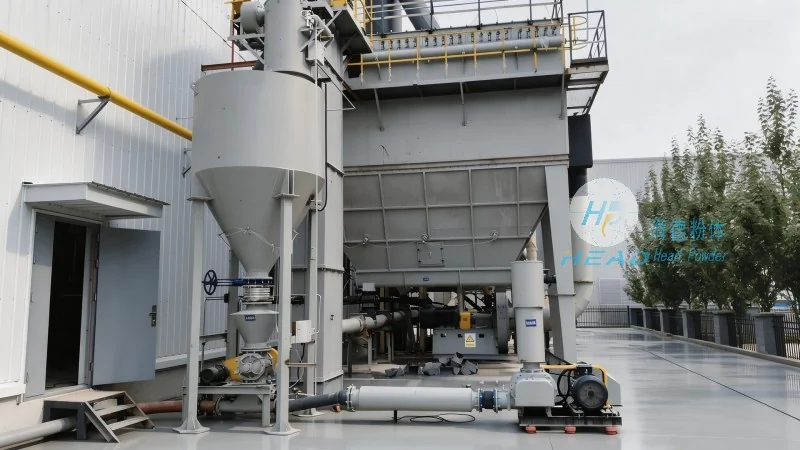
When designing a pneumatic conveying system for battery anode materials, several key factors must be considered to ensure optimal performance and longevity. The first step is to accurately determine the material's physical properties, such as particle size distribution, bulk density, and flowability. These characteristics directly impact the selection of the conveying method—whether it's a dilute-phase or dense-phase system—and the required air velocity and pressure. For battery anode powders, which often have fine particle sizes and varying moisture content, a dilute-phase system may be preferred to prevent blockages and ensure consistent flow. The design must also account for the system's capacity, as the throughput needs to match the production line's requirements. Additionally, considerations like system layout, space constraints, and integration with existing infrastructure are crucial. Proper calculations of air flow rates, pressure drops, and power consumption are essential to avoid overdesign or underdesign, which can lead to operational inefficiencies or equipment failure.
Equipment Selection for Pneumatic Conveying of Battery Anode Materials
Choosing the right equipment for a pneumatic conveying system is as important as the design calculations. The primary components include the material feed system, conveying line, separation and collection equipment, and air handling units. For anode materials, the feed system must be capable of handling fine powders without causing blockages or dust emissions. Screw feeders or rotary valves are commonly used for this purpose, as they provide a controlled and consistent feed rate. The conveying line itself can be made of stainless steel or other corrosion-resistant materials to accommodate the chemical properties of the anode powders. The selection of the air mover—such as a rotary lobe blower or a positive displacement blower—is critical. Rotary lobe blowers are often preferred for their ability to handle large volumes of air at relatively low pressure, making them suitable for dilute-phase systems. The separation and collection equipment, including cyclones and baghouses, must be designed to capture fine particles and prevent environmental contamination. The air handling unit, including filters and fans, ensures that the system operates within safe and regulatory limits.
Design Calculations for Pneumatic Conveying Systems
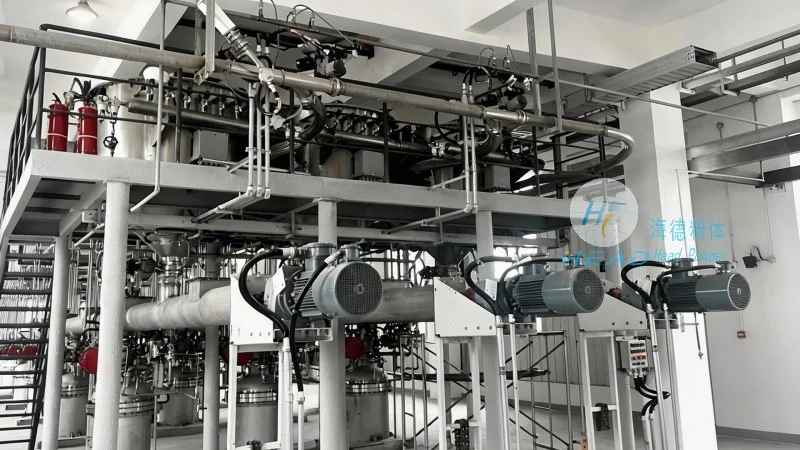
The design calculations for a pneumatic conveying system involve several steps to determine the necessary parameters. The first step is to calculate the required air velocity based on the material's properties. The air velocity must be high enough to keep the particles suspended but low enough to prevent excessive wear on the system components. The calculation typically involves the material's terminal velocity and the required conveying velocity, which is often 1.5 to 2 times the terminal velocity. The second step is to determine the air flow rate, which is calculated by multiplying the conveying velocity by the cross-sectional area of the conveying line and the material's bulk density. The pressure drop along the conveying line is another critical calculation, as it affects the power consumption and the overall system efficiency. The pressure drop is influenced by factors such as the length of the line, the number of bends, and the type of material being conveyed. Accurate pressure drop calculations help in selecting the appropriate air mover and ensuring that the system operates at the required pressure. Additionally, the power consumption of the system is calculated based on the air flow rate and the pressure drop, which is essential for cost analysis and energy efficiency considerations.
HeadPowder's Expertise in Pneumatic Conveying Solutions
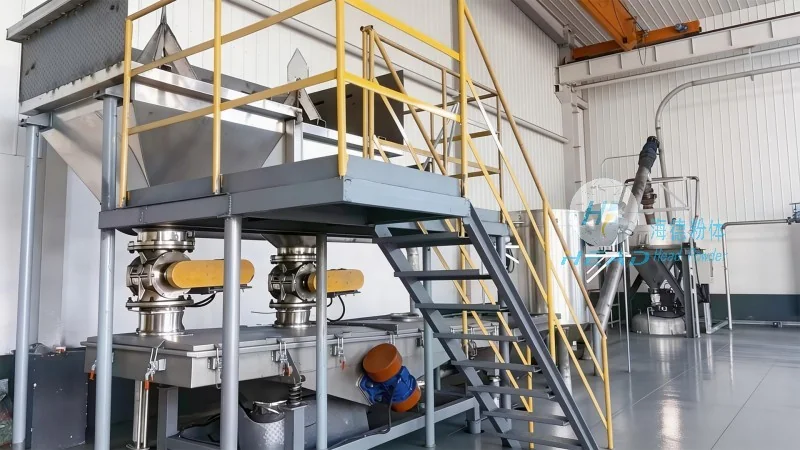
Shandong HeadPowder Engineering Co., Ltd., commonly known as HeadPowder, is a leading provider of engineering solutions for material handling systems, including pneumatic conveying for battery anode materials. With years of experience in the industry, HeadPowder specializes in designing and manufacturing customized pneumatic conveying systems tailored to the specific needs of battery manufacturers. The company's team of engineers and technicians work closely with clients to understand their production requirements, material characteristics, and operational constraints. Through a comprehensive design process, HeadPowder develops solutions that optimize material flow, reduce downtime, and improve overall production efficiency. The company's expertise extends to the selection of appropriate equipment, including feeders, conveyors, and air handling units, ensuring that each component is compatible and efficient. HeadPowder also provides installation, commissioning, and maintenance services to ensure that the system operates at peak performance throughout its lifecycle. The company's commitment to quality and customer satisfaction has made it a trusted partner for many battery manufacturers in China and beyond.
Conclusion
Pneumatic conveying is a vital technology for the efficient handling of battery anode materials, and proper design calculations and equipment selection are essential for optimal performance. By considering the material's physical properties, system capacity, and operational constraints, engineers can design a pneumatic conveying system that meets the production requirements while ensuring safety and efficiency. HeadPowder, with its expertise and customized solutions, offers a reliable partner for battery manufacturers seeking to enhance their material handling processes. Whether it's a new production line or an upgrade to an existing system, HeadPowder's engineering solutions can help improve productivity and reduce operational costs.




