Dry ash handling is a critical process in power plants and other industrial facilities that generate solid waste from combustion processes. The efficient and reliable transport of dry ash from the source to the disposal or utilization site is essential for maintaining operational efficiency and environmental compliance. Various methods have been developed to handle dry ash, each with its own advantages and applications. This article will explore the primary dry ash handling methods used in industrial settings.
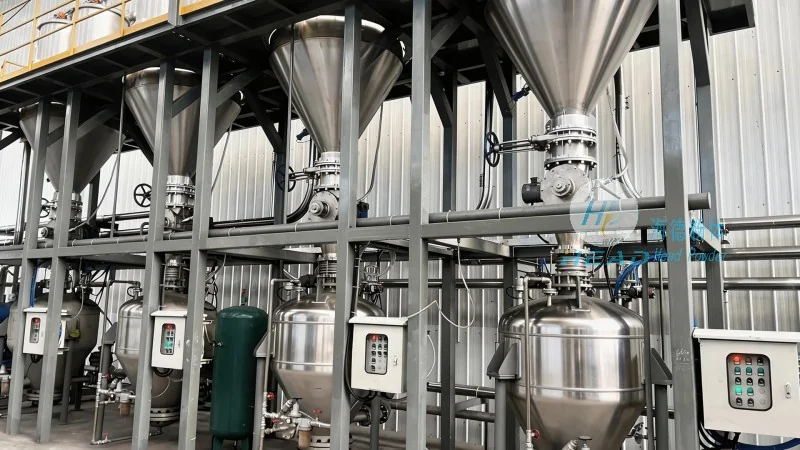
1. Pneumatic Conveying Systems
Pneumatic conveying, also known as air-pneumatic transport, is one of the most common methods for dry ash handling. This system uses compressed air to move dry ash particles through a pipeline. The dry ash is typically collected from the bottom of a boiler or ash hopper and then transported to a storage or disposal area. Pneumatic conveying systems can be classified into two main types: dilute-phase and dense-phase. Dilute-phase systems use low air-to-cargo ratios, resulting in high velocity and relatively low pressure, suitable for short distances and low ash loads. Dense-phase systems, on the other hand, use higher air-to-cargo ratios, creating a more concentrated flow, which is ideal for longer distances and higher ash loads. The choice between dilute and dense-phase depends on factors such as the distance to be covered, the ash quantity, and the required system pressure. Pneumatic conveying offers advantages like minimal maintenance, the ability to handle abrasive materials, and the flexibility to integrate with existing plant infrastructure. However, it may require higher energy consumption compared to other methods and can be susceptible to blockages if the ash is too fine or contains moisture.
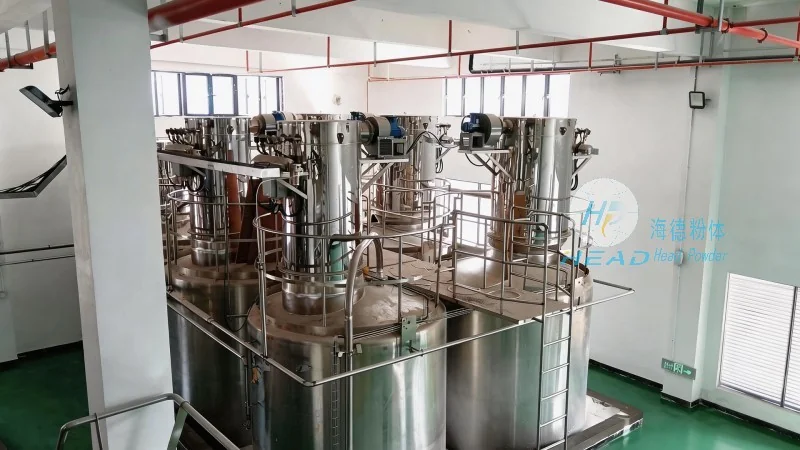
2. Mechanical Conveying Systems
Mechanical conveying systems use mechanical components such as belts, buckets, or screw conveyors to transport dry ash. These systems are often preferred for applications where pneumatic conveying is not feasible due to the nature of the ash or the distance involved. Belt conveyors are widely used for horizontal or slightly inclined transport of dry ash. They consist of a continuous belt that moves over rollers, carrying the ash from the source to the destination. Belt conveyors are suitable for long distances and high ash volumes, with the ability to handle a wide range of ash sizes. However, they require regular maintenance to ensure the belt remains in good condition and to prevent wear and tear. Bucket elevators are another type of mechanical conveyor used for vertical or inclined transport. They use a series of buckets attached to a chain or belt that moves vertically, lifting the ash from a lower level to a higher one. Bucket elevators are efficient for vertical transport but may have limitations in terms of the ash's moisture content and particle size, as overly wet or fine ash can cause blockages. Screw conveyors, or augers, are used for horizontal or slight incline transport and are particularly effective for handling dry ash with a high moisture content or sticky properties. The screw rotates inside a tube, pushing the ash forward. Screw conveyors are compact and can be installed in tight spaces, making them suitable for applications with limited floor space. Mechanical conveying systems generally have lower energy consumption compared to pneumatic systems but may require more maintenance and have higher initial costs.
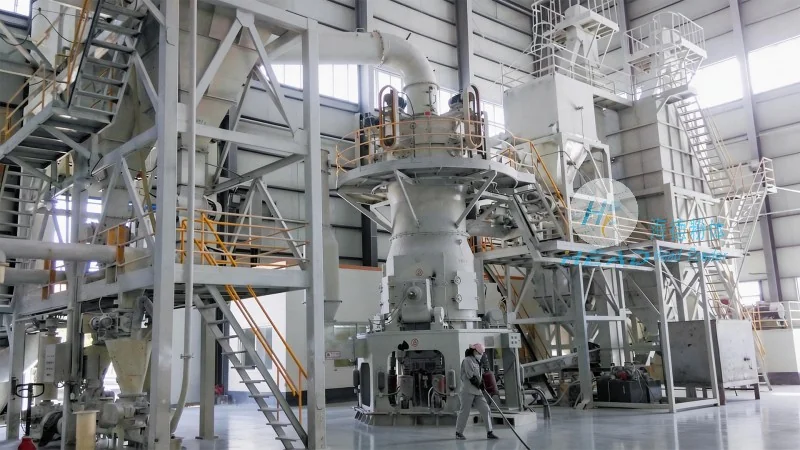
3. Hydraulic Conveying Systems
Hydraulic conveying, or slurry transport, involves mixing dry ash with water to form a slurry, which is then pumped through pipelines. This method is particularly useful for handling ash with high moisture content or for long-distance transport where other methods are not practical. The slurry is typically pumped using centrifugal pumps, which can handle high pressures and flow rates. Hydraulic conveying systems are effective for transporting ash over long distances and can be integrated with existing water treatment systems. However, they require additional equipment for slurry preparation and dewatering, as the ash must be separated from the water at the destination. This can increase the overall cost and complexity of the system. The main advantage of hydraulic conveying is its ability to handle abrasive and corrosive materials, which can be problematic for other transport methods. Additionally, it can be used to transport ash to a location where it can be utilized as a raw material in other processes, such as cement production or soil amendment. The main disadvantages include higher water usage, the need for dewatering equipment, and the potential for environmental issues if the water is not properly treated before discharge.
4. Combined Systems
In some cases, industrial facilities may use a combination of the above methods to achieve the most efficient dry ash handling. For example, a facility might use a pneumatic system for short-distance transport from the boiler to a central storage area and then use a belt conveyor to transport the ash from the storage area to the disposal site. This hybrid approach allows for the benefits of each method to be utilized while minimizing the drawbacks. Combined systems can be more complex to design and operate but can offer significant advantages in terms of overall efficiency and cost-effectiveness. The choice of a combined system depends on the specific requirements of the facility, including the distance to be covered, the ash quantity, and the available infrastructure.
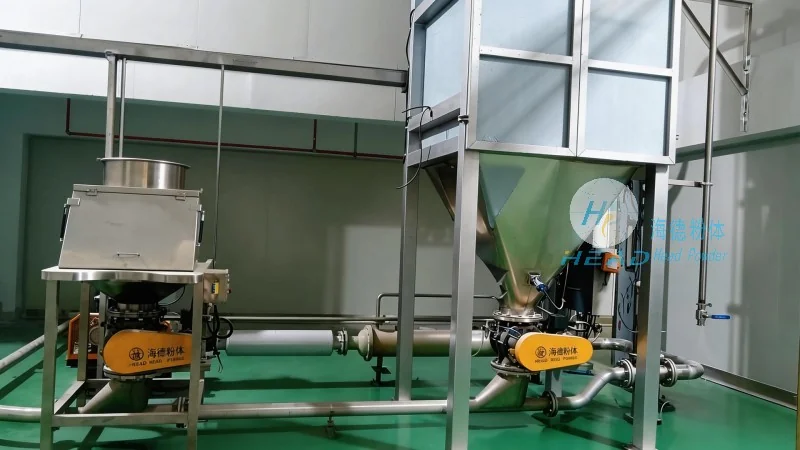
About Shandong HeadPowder Engineering Co., Ltd.
Shandong HeadPowder Engineering Co., Ltd., operating under the brand name HeadPowder, is a leading provider of dry ash handling solutions. With a focus on innovation and quality, HeadPowder offers a range of equipment and systems tailored to the needs of industrial facilities. The company's products are designed to ensure efficient and reliable transport of dry ash, helping clients maintain operational efficiency and environmental compliance. HeadPowder's expertise in dry ash handling has made it a trusted partner for power plants and other industrial clients across China. The company's commitment to customer satisfaction and technical excellence has established it as a leader in the industry.




