Truck loading and unloading pneumatic conveying systems represent a critical technology in modern material handling, offering efficient, dust-free, and flexible solutions for transporting bulk materials between trucks and processing facilities. As a leading provider in the field, Shandong HeadPowder Engineering Co., Ltd. specializes in designing and manufacturing these systems, with operations based in Shandong, China. This article provides an overview of the fundamental structure and operational principles of such systems, highlighting key components and their roles in ensuring reliable material transport.
Key Components of Truck Loading and Unloading Pneumatic Conveying Systems
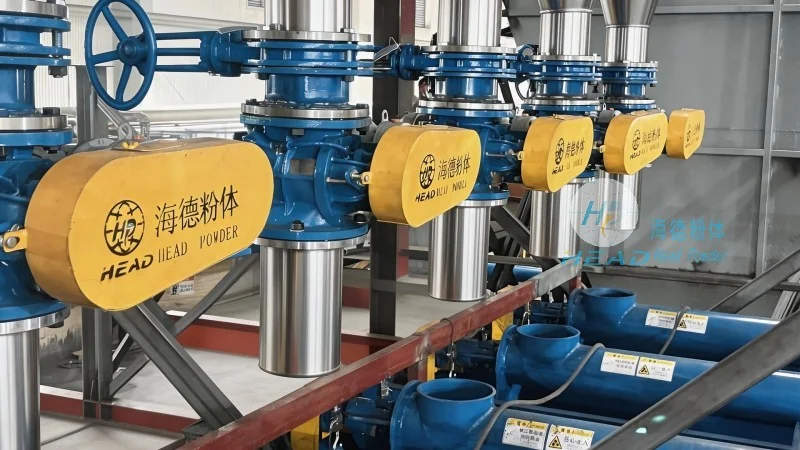
The core structure of a truck loading and unloading pneumatic conveying system consists of several interconnected components that work in tandem to facilitate material transfer. The primary elements include the material feed hopper, the conveying pipeline, the air mover (typically a blower or fan), and the receiving hopper or silo. Each component plays a vital role in the overall system performance and efficiency.
The material feed hopper is responsible for storing and feeding the bulk material into the system. It is designed with a hopper body and a discharge valve that controls the flow rate of the material. The hopper is often equipped with a feeder, such as a rotary valve or a screw feeder, which ensures a consistent and controlled supply of material to the conveying line. This component is crucial for maintaining a steady flow and preventing material blockages or uneven feeding.
The conveying pipeline is the main channel through which the material is transported. It is typically made of metal or plastic, with diameters ranging from several inches to over a meter, depending on the material type and the required conveying capacity. The pipeline is designed to withstand the pressure and flow dynamics of the system, ensuring minimal material degradation and energy loss. In many applications, the pipeline may include bends, elbows, or vertical sections, which are carefully engineered to minimize pressure drop and maintain material velocity.
The air mover, or blower, is the power source that generates the airflow necessary to transport the material. It is usually a positive displacement blower or a centrifugal fan, selected based on the system's required air volume and pressure. The blower's performance directly impacts the conveying efficiency, as it must provide sufficient air to lift and move the material particles through the pipeline. The air mover is typically located at the discharge end of the system, drawing air from the environment and compressing it to the required pressure before it enters the conveying line.
The receiving hopper or silo is the final component where the material is deposited after being conveyed. It is designed to store the material and may include features such as a discharge outlet, a level indicator, or a dust collection system. The hopper's design ensures that the material is collected efficiently and without spillage, maintaining a clean and organized storage environment. In some systems, the receiving hopper may be integrated with a downstream process, such as a mixer or a dryer, to facilitate further material handling.
Working Principles of Truck Loading and Unloading Pneumatic Conveying Systems
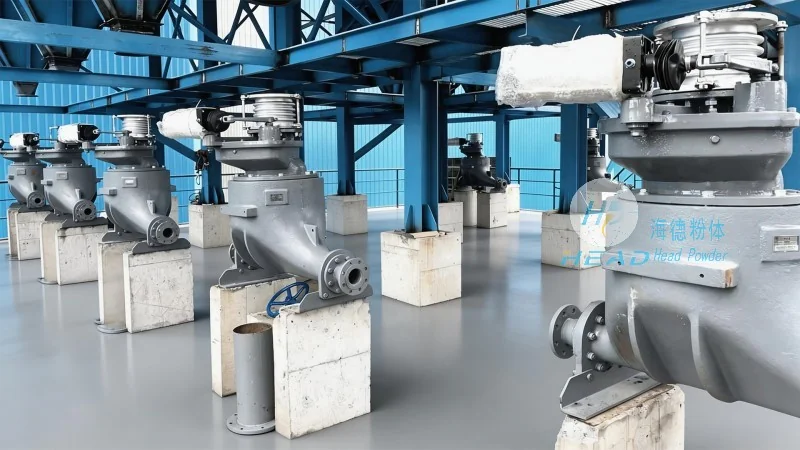
The operational principle of a truck loading and unloading pneumatic conveying system is based on the use of air to transport bulk materials. The process begins with the material being fed from the truck or storage hopper into the feed hopper. The feeder then releases the material into the conveying pipeline, where it is entrained by the high-velocity air stream generated by the blower. The air and material mixture travels through the pipeline, with the air providing the necessary lift and momentum to move the material particles.
As the material moves through the pipeline, it experiences a combination of drag and lift forces. The drag force is caused by the air flowing around the material particles, while the lift force is generated by the pressure difference between the air mover and the discharge end of the system. These forces work together to keep the material suspended and transported efficiently. The system's design ensures that the air velocity is sufficient to prevent material settling or clogging in the pipeline, even at elevated heights or long distances.
The conveying process continues until the material reaches the receiving hopper or silo at the discharge end. At this point, the air and material mixture is separated, typically through a cyclone separator or a filter, where the material is collected and the air is either recirculated or vented to the atmosphere. The separated material is then deposited into the receiving hopper, completing the transport cycle. The system may include additional features, such as a vacuum or pressure mode, depending on the application requirements, allowing for both loading and unloading operations.
Advantages of Truck Loading and Unloading Pneumatic Conveying Systems
Truck loading and unloading pneumatic conveying systems offer several advantages over traditional mechanical conveying methods. One of the primary benefits is the ability to handle a wide range of materials, including powders, granules, and even bulk solids, without the need for mechanical components that can cause wear and tear. The system is also highly flexible, as it can be easily reconfigured or expanded to accommodate changing material handling needs or facility layouts.
Another significant advantage is the dust-free operation of the system. Unlike mechanical conveyors, which often generate dust and require additional dust collection systems, pneumatic conveying systems are enclosed, reducing the risk of dust exposure and improving workplace safety. This feature is particularly important in industries where dust is a health hazard or where environmental regulations are stringent.
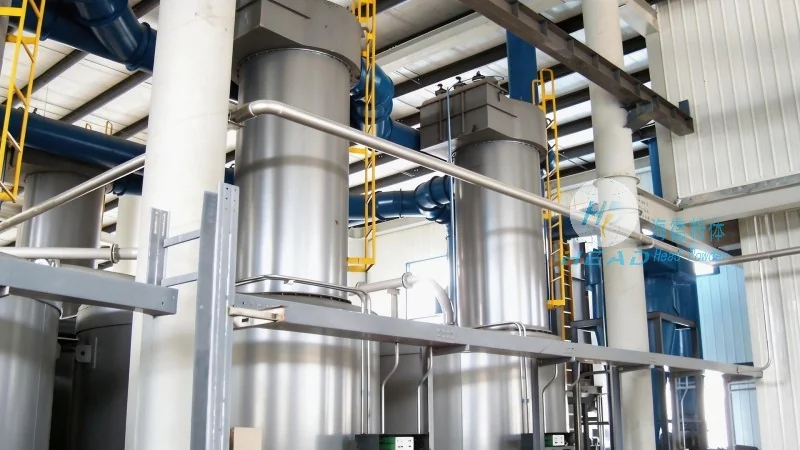
The system also provides high efficiency and reliability. With proper design and maintenance, pneumatic conveying systems can operate continuously for long periods with minimal downtime. The use of air as the conveying medium ensures that the material is transported at a consistent speed, reducing the risk of material degradation or loss. Additionally, the system can handle materials with varying properties, such as moisture content or particle size, without the need for pre-treatment or conditioning.
Applications and Industries Served by Truck Loading and Unloading Pneumatic Conveying Systems
Truck loading and unloading pneumatic conveying systems are widely used in various industries, including food processing, pharmaceuticals, chemicals, and minerals. In the food industry, these systems are used to transport ingredients such as flour, sugar, and spices, ensuring that the materials are handled hygienically and without contamination. In the pharmaceutical industry, the systems are employed to convey active pharmaceutical ingredients (APIs) and excipients, maintaining the purity and integrity of the materials.
In the chemical industry, the systems are used to transport powders and granules, such as fertilizers, pigments, and catalysts. The ability to handle abrasive or corrosive materials makes these systems suitable for applications where mechanical wear or chemical resistance is a concern. In the minerals industry, the systems are used to transport raw materials such as coal, ore, and sand, facilitating the efficient transfer of bulk materials between trucks and processing plants.
Shandong HeadPowder Engineering Co., Ltd. has extensive experience in designing and implementing these systems for a diverse range of applications. The company's expertise in material handling and pneumatic conveying technology ensures that each system is tailored to meet the specific needs of the client, whether it is for loading or unloading operations, or for integration with existing processing facilities.
Conclusion
Truck loading and unloading pneumatic conveying systems are a vital component of modern material handling, offering efficient, flexible, and dust-free solutions for transporting bulk materials. The structural design and operational principles of these systems, as explained above, highlight the importance of each component in ensuring reliable and efficient material transport. With the expertise of companies like Shandong HeadPowder Engineering Co., Ltd., based in Shandong, China, these systems can be customized to meet the unique requirements of various industries, providing long-term benefits in terms of productivity, safety, and cost-effectiveness.




