HeadPowder, a leading manufacturer based in Shandong, China, specializes in the design and production of pneumatic conveying equipment tailored for handling aluminum dross materials. This equipment is crucial in the aluminum processing industry, enabling efficient and safe transportation of dross, which is a byproduct of aluminum smelting and casting processes. The operation of such equipment involves a systematic process that ensures optimal material flow and minimal loss, making it an essential component in modern aluminum production facilities.
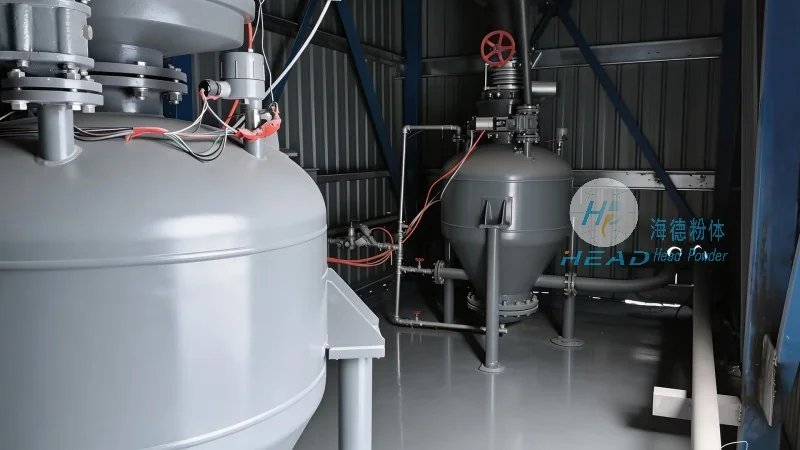
Overview of Pneumatic Conveying Systems for Aluminum Dross
Pneumatic conveying systems utilize air or gas to transport bulk materials like aluminum dross through a pipeline network. These systems are preferred over traditional mechanical conveying methods due to their ability to handle abrasive and corrosive materials without the need for moving parts that could wear out quickly. The equipment from HeadPowder is engineered to withstand the harsh conditions associated with aluminum dross, ensuring long-term reliability and low maintenance costs.
The Operational Process of Aluminum Dross Pneumatic Conveying Equipment
The operation of the pneumatic conveying equipment for aluminum dross typically follows a series of steps. First, the aluminum dross is fed into the hopper or storage silo. From there, the material is drawn into the conveying line using a vacuum or pressure system. The system then uses compressed air to propel the dross through the pipeline to the destination point, such as a processing plant or storage area. The process is controlled by a sophisticated control panel that monitors pressure, flow rate, and material level, ensuring smooth and continuous operation.
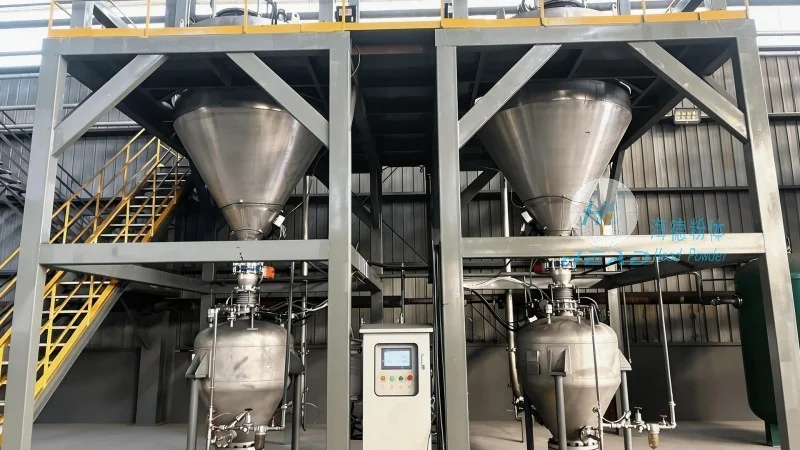
Working Principle of the Pneumatic Conveying Equipment
The core working principle of the pneumatic conveying equipment involves the use of air as the conveying medium. When the system is in operation, air is introduced into the pipeline at a controlled pressure. This air creates a flow that carries the aluminum dross particles along the pipeline. The design of the equipment, including the hopper, ducts, and valves, is optimized to minimize friction and ensure that the material moves efficiently without clogging. The system also incorporates features like cyclone separators and filters to separate the air from the dross, allowing the air to be recycled and the dross to be collected for further processing.
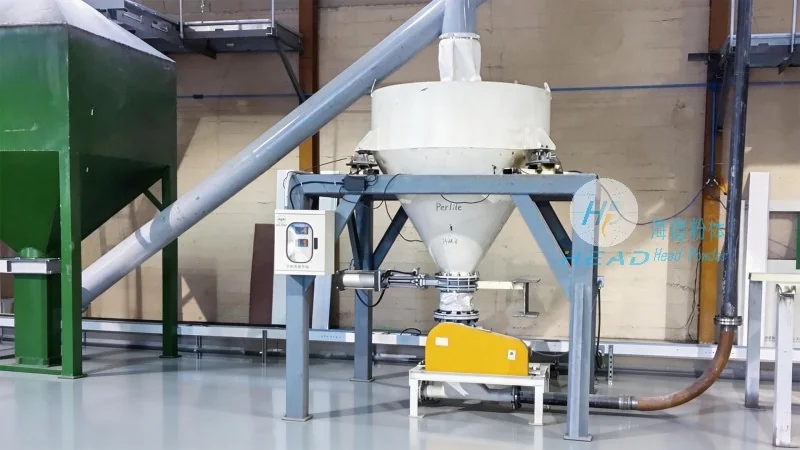
Key Components and Their Functions
The pneumatic conveying equipment for aluminum dross consists of several key components, each playing a vital role in the overall operation. The hopper or storage silo serves as the material source, providing a consistent feed to the system. The feeder, often a rotary valve or screw feeder, regulates the flow of dross into the conveying line. The pipeline network, made of durable materials like stainless steel or special alloys, transports the material from the source to the destination. The control system, including sensors and a control panel, monitors and adjusts the operation parameters to maintain optimal performance. Additionally, the system may include cleaning and maintenance features to ensure the equipment remains in good working condition.
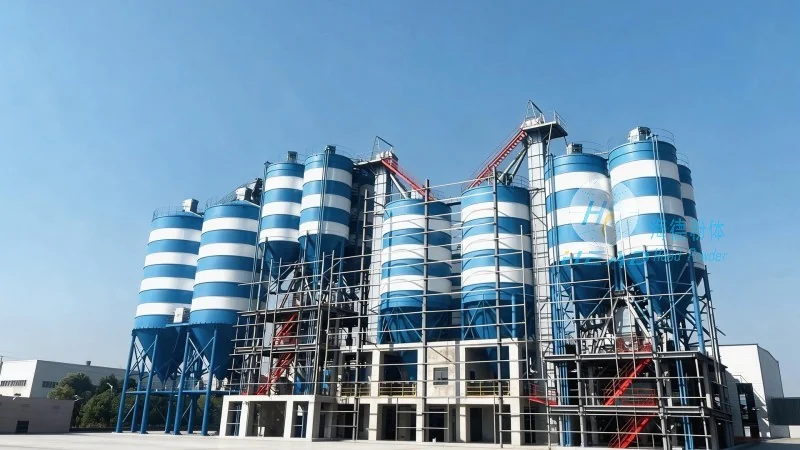
Advantages of Using Pneumatic Conveying for Aluminum Dross
Implementing pneumatic conveying equipment for aluminum dross offers several advantages over traditional methods. Firstly, it provides a dust-free and enclosed system, reducing the risk of environmental contamination and improving workplace safety. Secondly, the equipment is highly efficient, with minimal material loss and low energy consumption compared to other conveying methods. Thirdly, the system is flexible and can be easily integrated into existing production lines, allowing for scalability and adaptability to changing production needs. Finally, the equipment is designed for durability, with components that can withstand the abrasive nature of aluminum dross, resulting in lower long-term maintenance costs.
Application in Aluminum Processing Facilities
In aluminum processing facilities, the pneumatic conveying equipment from HeadPowder is used in various stages of the production process. It can transport dross from the casting area to the melting furnace, or from the processing plant to storage silos. The equipment is also used in the recycling process, where dross is reprocessed to recover aluminum. By using this equipment, facilities can improve their overall efficiency, reduce downtime, and enhance the safety of their operations. The equipment's ability to handle large volumes of dross quickly and reliably makes it an indispensable tool in modern aluminum production.




