HeadPowder, a leading provider in the field of material handling solutions, specializes in dust-free automatic pneumatic conveying systems. These systems are engineered to efficiently transport bulk materials with minimal dust generation, ensuring a clean and safe working environment. The following content outlines the operation process and working principle of such systems, highlighting the key components and mechanisms that enable their effective performance.
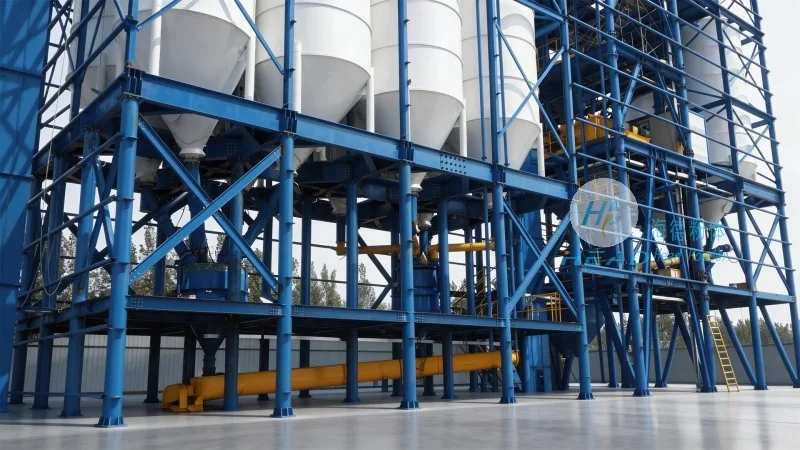
Company Background and Expertise
Shandong HeadPowder Engineering Co., Ltd., commonly known as HeadPowder, is a reputable company based in Shandong, China. With a strong commitment to innovation and quality, HeadPowder has established itself as a trusted manufacturer and supplier of advanced material handling equipment. The company focuses on developing solutions that meet the evolving needs of industries such as pharmaceuticals, food processing, and chemical manufacturing, where maintaining a dust-free environment is critical for product integrity and worker safety.
Overview of Dust-Free Pneumatic Conveying Systems
Dust-free automatic material pneumatic conveying systems utilize air as the primary medium to transport bulk materials from one location to another. Unlike traditional methods that may involve manual handling or open conveyors, these systems are designed to minimize dust exposure and ensure a controlled environment. The core components of a typical system include a material hopper, a conveying line, a dust collector, and a control unit. Each component plays a crucial role in the overall operation, working in tandem to achieve efficient and reliable material transport.
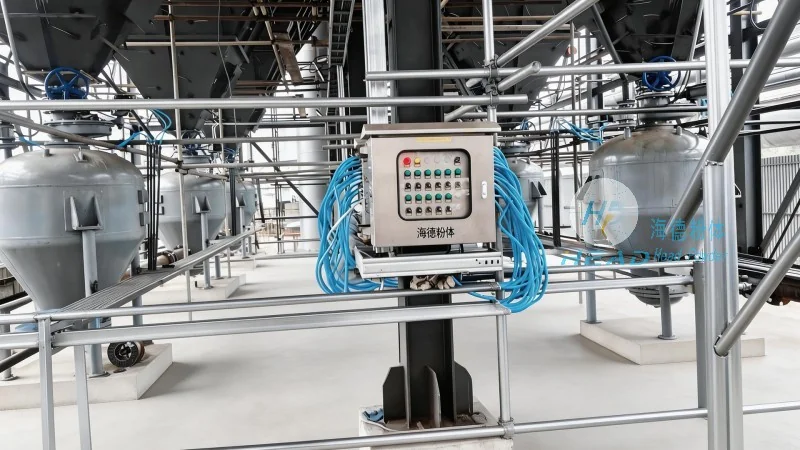
Key Components and Their Functions
The material hopper is the initial component where bulk materials are loaded. It is equipped with a feeding mechanism, such as a rotary valve or a screw feeder, which regulates the flow of material into the conveying line. The conveying line, usually made of stainless steel or other corrosion-resistant materials, is designed to withstand the pressure and temperature of the air and material mixture. The dust collector, often integrated with the system, captures any airborne particles, ensuring that the environment remains clean and compliant with safety standards. The control unit manages the entire process, monitoring parameters like pressure, flow rate, and material level to maintain optimal performance.
Operation Process of the System
The operation of a dust-free automatic material pneumatic conveying system begins with the loading of materials into the hopper. The feeding mechanism then starts, introducing the material into the conveying line at a controlled rate. Simultaneously, the air compressor generates the necessary airflow, which is directed through the conveying line to create a pressure differential. This pressure differential propels the material particles along the line, transporting them to the destination point, such as a storage silo or processing unit. Throughout the process, the dust collector continuously captures any particles that may escape, preventing contamination and maintaining a clean environment.
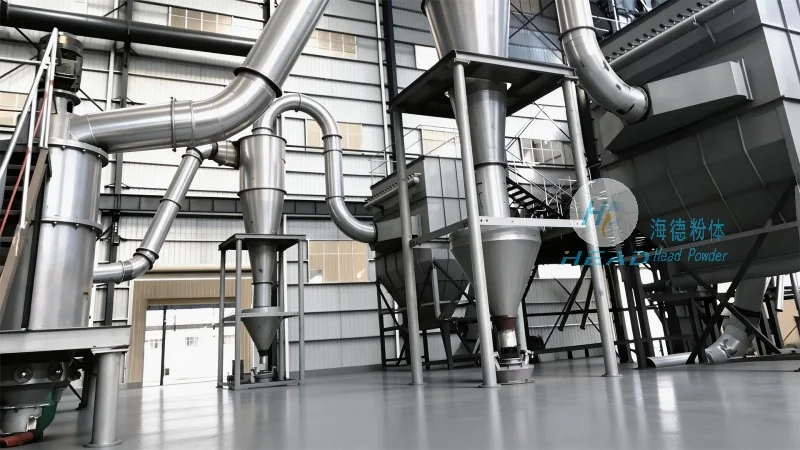
Working Principle: Air-Driven Conveying Mechanism
The working principle of these systems is based on the principle of fluidization and pneumatic transport. When air is introduced into the conveying line at a high velocity, it creates a low-pressure zone that draws the material particles into the air stream. The material is then carried along the line by the air flow, with the pressure and velocity of the air determining the transport efficiency. The system is designed to maintain a consistent airflow and pressure, ensuring that the material is transported smoothly without clogging or loss of material. The dust collector plays a vital role by capturing any fine particles that may be entrained in the air, preventing them from being released into the environment.
Advantages of Dust-Free Pneumatic Conveying
Compared to traditional material handling methods, dust-free automatic pneumatic conveying systems offer several advantages. These include improved safety by reducing dust exposure, enhanced product quality by minimizing contamination, and increased efficiency through automated operation. The systems are also versatile, capable of handling a wide range of materials, from powders and granules to fine particles. Additionally, the enclosed design of the system helps maintain a controlled environment, which is particularly important in industries where product purity and worker health are paramount.
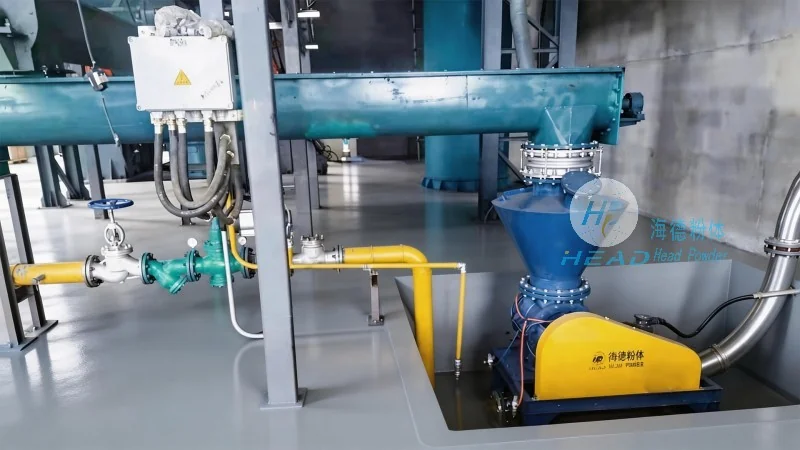
Applications in Various Industries
The applications of dust-free automatic material pneumatic conveying systems span multiple industries. In the pharmaceutical industry, these systems are used to transport active pharmaceutical ingredients (APIs) and other sensitive materials, ensuring that the products remain free from contamination and dust. In the food processing industry, they are employed to handle ingredients like flour, sugar, and spices, maintaining the quality and safety of the final products. The chemical industry also benefits from these systems, as they help transport hazardous materials while minimizing the risk of exposure. Overall, the systems are designed to meet the specific requirements of each industry, providing reliable and efficient material handling solutions.
Conclusion
HeadPowder's dust-free automatic material pneumatic conveying systems represent a significant advancement in material handling technology. By combining advanced engineering with a focus on safety and efficiency, these systems offer a reliable solution for industries that require clean and controlled material transport. The operation process and working principle, as outlined above, demonstrate the effectiveness of the system in achieving its goals. With a strong commitment to quality and innovation, HeadPowder continues to provide cutting-edge solutions that meet the evolving needs of its clients.




