Expanded clay aggregate conveying lines are essential components in material handling systems, particularly for industries dealing with lightweight, granular materials like expanded clay. The operation of such lines involves a series of coordinated mechanisms designed to efficiently transport these materials from one location to another. Understanding the process and underlying principles is crucial for optimizing performance and ensuring reliability in industrial applications.
Key Components and Their Roles
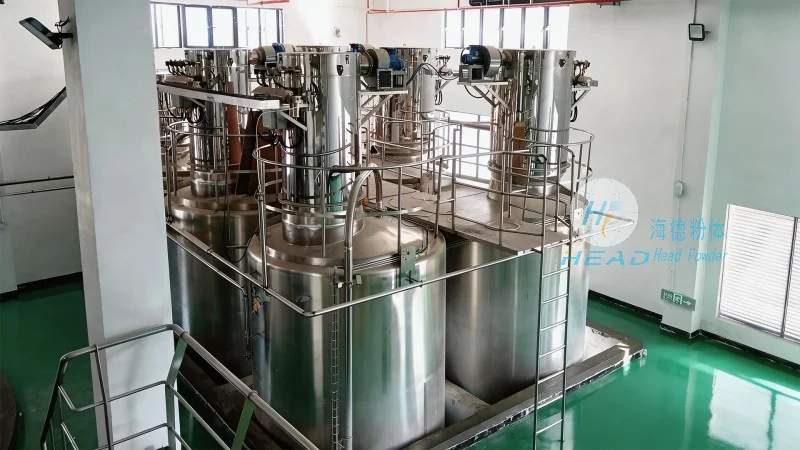
The conveying line typically consists of several key components, each playing a vital role in the overall operation. These include the hopper for material storage, the conveyor belt or screw mechanism for transport, and the control system for regulating speed and direction. The hopper ensures a consistent feed of material, preventing blockages and maintaining a steady flow. The conveyor mechanism, whether belt-driven or screw-driven, moves the aggregate along the designated path. The control system, often integrated with sensors, monitors the process and adjusts parameters as needed to maintain optimal performance.
Step-by-Step Operation Process
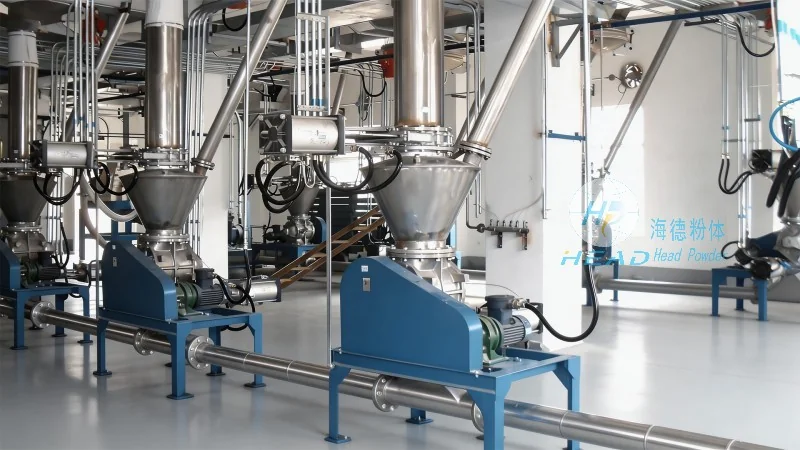
The operation of an expanded clay aggregate conveying line follows a systematic sequence of steps. Initially, the material is loaded into the hopper from a storage silo or batch mixer. The hopper’s design, with its sloped sides, facilitates the material’s movement towards the conveyor inlet. As the material reaches the inlet, it is fed onto the conveyor belt or screw. The conveyor then transports the aggregate to the discharge point, which may be a storage bin, processing unit, or another part of the production line. Throughout this process, the control system continuously monitors the flow rate, ensuring that the conveyor operates at an appropriate speed to prevent material buildup or overloading. Any adjustments to the feed rate or conveyor speed are made in real-time to maintain a smooth and efficient operation.
Working Principle of the Conveying Mechanism
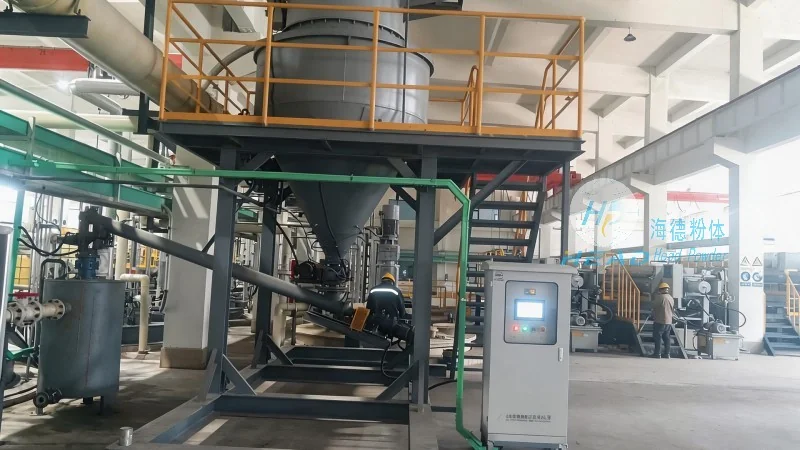
The working principle of the conveying mechanism in expanded clay aggregate lines is based on mechanical energy transfer. For belt conveyors, the motor drives a pulley system, which in turn rotates the conveyor belt. The material is placed on the belt and moves due to the friction between the belt and the material, as well as the belt’s forward motion. Screw conveyors, on the other hand, use a rotating screw to push the material forward. The screw’s helical design creates a continuous movement, propelling the aggregate along the screw’s length. Both mechanisms rely on the principles of gravity and mechanical force to move the lightweight aggregate efficiently. The choice between belt and screw conveyors depends on factors such as material characteristics, distance to be covered, and the required flow rate.
Factors Affecting Performance and Efficiency
Several factors influence the performance and efficiency of expanded clay aggregate conveying lines. Material properties, such as the size, shape, and moisture content of the aggregate, can affect the flow characteristics and the risk of blockages. Proper material conditioning, like drying or size reduction, can improve the conveying efficiency. The design of the hopper and inlet is critical to prevent material bridging or arching, which can disrupt the flow. Additionally, the maintenance of the conveyor components, including regular cleaning and lubrication, is essential to minimize wear and tear and ensure consistent operation. The control system’s accuracy in monitoring and adjusting parameters also plays a significant role in maintaining optimal performance.
Applications and Industrial Use
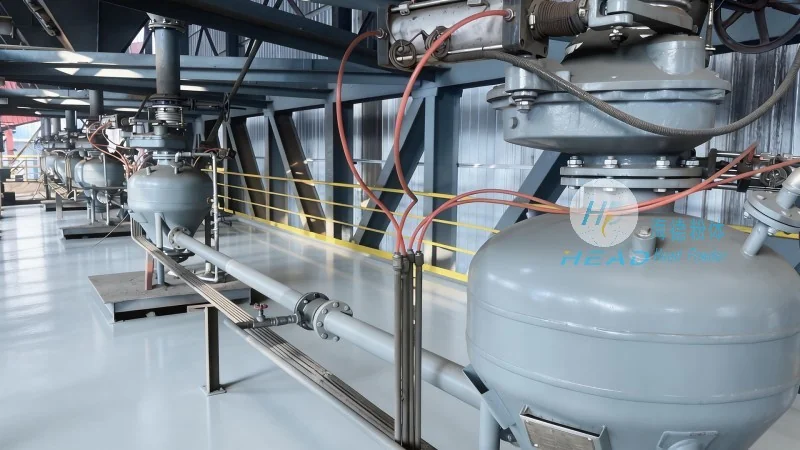
Expanded clay aggregate conveying lines are widely used in various industrial applications, including construction material production, horticulture, and chemical processing. In construction, they are used to transport lightweight aggregates for concrete and plaster production. In horticulture, they help move expanded clay for soil amendment and potting mix preparation. The efficiency and reliability of these conveying systems make them indispensable in processes where consistent material flow is required. The ability to handle large volumes of lightweight material with minimal energy consumption is a key advantage, contributing to cost-effective and sustainable industrial operations.




