Efficient material conveying systems are crucial for industries dealing with dust removal ash, as they ensure safe and reliable transportation of these materials. The operation process and working principles of such systems are designed to optimize performance while maintaining safety standards. This article provides a detailed overview of the key aspects involved in dust removal ash material conveying, highlighting the technical aspects and operational procedures that contribute to effective material handling.
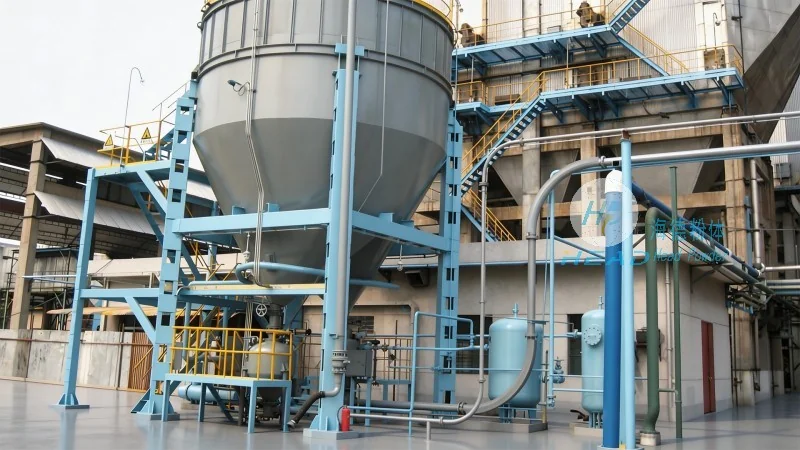
Company Profile: Shandong HeadPowder Engineering Co., Ltd.
HeadPowder, as the company name suggests, specializes in engineering solutions for material handling, particularly in the context of dust removal ash. With a strong presence in Shandong, China, HeadPowder has established itself as a reliable partner for industries seeking advanced conveying systems. The company's expertise lies in designing and manufacturing equipment that meets the specific needs of clients, ensuring durability, efficiency, and compliance with industry regulations. By focusing on innovation and customer satisfaction, HeadPowder has become a trusted name in the material handling sector.
Understanding Dust Removal Ash Material Conveying
Dust removal ash, also known as fly ash or bottom ash, is a byproduct of combustion processes in power plants and industrial facilities. These materials are often fine and abrasive, requiring specialized equipment for safe transportation. The conveying process involves several key components, including feeders, conveyors, and control systems, all working in tandem to move the ash from one location to another. The primary goal is to minimize dust emissions, prevent material degradation, and ensure smooth operation throughout the conveying process.
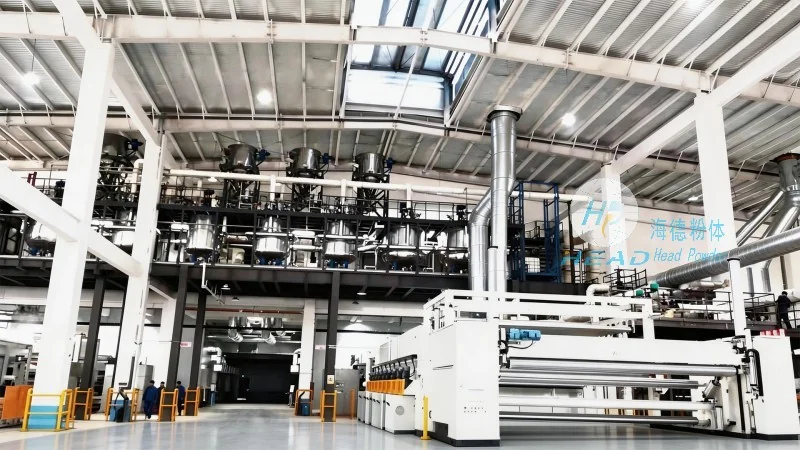
The Operation Process of Dust Removal Ash Conveying Systems
The operation process of dust removal ash material conveying systems typically begins with the collection of ash from the source, such as a boiler or cyclone separator. The ash is then fed into a hopper or feeder, which regulates the flow rate to the conveyor. In many systems, a screw conveyor or pneumatic conveyor is used to transport the ash through a pipeline or over a belt. The conveyor system is equipped with sensors and control mechanisms to monitor the flow, ensuring that the ash is conveyed at the optimal speed and pressure. Regular maintenance and monitoring are essential to prevent blockages, wear, and other issues that could disrupt the operation.
Working Principles of Dust Removal Ash Conveying Equipment
The working principles of dust removal ash conveying equipment vary depending on the type of system used. For mechanical conveyors, such as belt conveyors or screw conveyors, the ash is moved by the rotation of the conveyor components. The belt conveyor uses a motor-driven pulley system to move the ash along the belt, while the screw conveyor relies on a rotating screw to push the material forward. Pneumatic conveying systems, on the other hand, use compressed air to transport the ash through a pipeline. The air pressure creates a flow that carries the ash particles, allowing for long-distance transportation without the need for mechanical components. Each system has its advantages and is chosen based on factors such as material characteristics, distance, and environmental considerations.
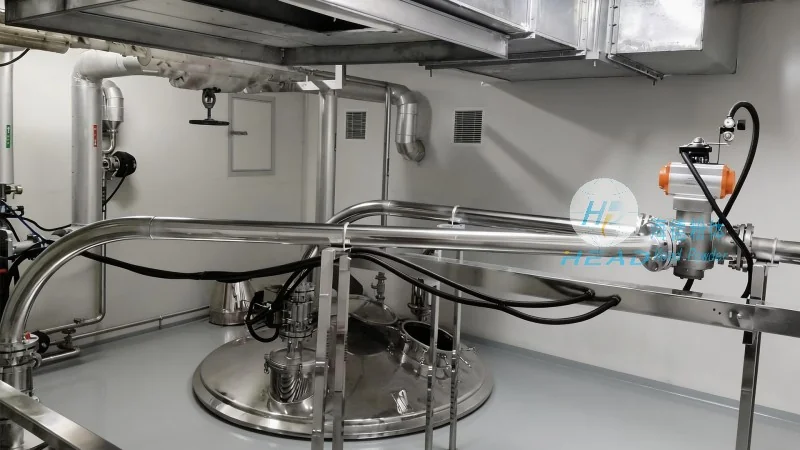
Key Components and Their Functions
Several key components are integral to the effective operation of dust removal ash conveying systems. The hopper or feeder is responsible for collecting and regulating the ash flow, ensuring a consistent feed to the conveyor. The conveyor itself, whether mechanical or pneumatic, is the primary transport mechanism. Sensors and control systems monitor the system's performance, providing real-time data on flow rates, pressure, and temperature. These components work together to maintain the system's efficiency and safety. Regular inspection and maintenance of these components are crucial to prevent failures and ensure long-term reliability.
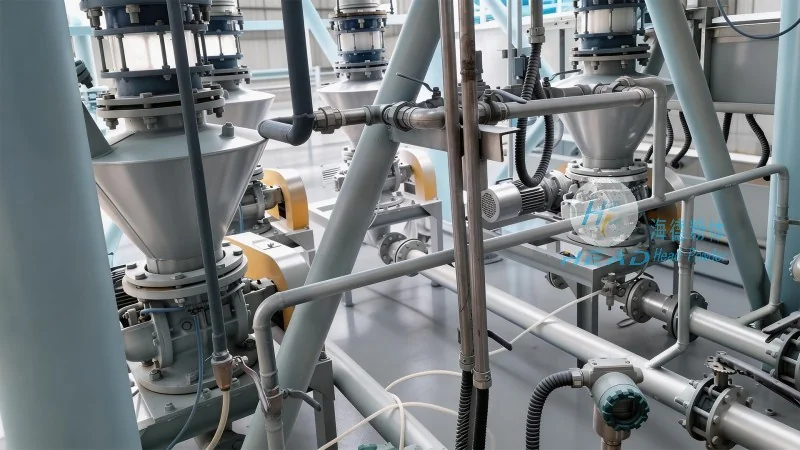
Benefits of Efficient Dust Removal Ash Conveying
Implementing an efficient dust removal ash conveying system offers several benefits to industrial operations. Firstly, it improves safety by reducing the risk of dust explosions and inhalation of fine particles. Secondly, it enhances operational efficiency by minimizing downtime and ensuring smooth material flow. Thirdly, it contributes to environmental compliance by reducing emissions and waste. Additionally, advanced systems can help in optimizing energy consumption and reducing maintenance costs over time. For industries dealing with large volumes of ash, a well-designed conveying system is essential for maintaining productivity and meeting regulatory requirements.
Conclusion
In conclusion, the operation process and working principles of dust removal ash material conveying systems are critical for industries dealing with these materials. By understanding the key components, operational procedures, and benefits of such systems, companies can make informed decisions about their material handling solutions. Shandong HeadPowder Engineering Co., Ltd. provides specialized engineering solutions that cater to the unique needs of clients, ensuring reliable and efficient conveying of dust removal ash. With a focus on innovation and customer satisfaction, HeadPowder continues to be a leader in the material handling sector, helping industries achieve their operational goals while maintaining safety and environmental standards.




