Intermittent feeding powder material conveyors are specialized equipment designed for the efficient and controlled transportation of bulk powder materials in industrial settings. These systems are widely used across various industries, including pharmaceuticals, food processing, chemical manufacturing, and more, where precise control over material flow is critical. The design and operation of these conveyors ensure minimal product degradation, contamination, and loss, making them essential for maintaining product quality and operational efficiency.
Key Components of an Intermittent Feeding Conveyor System
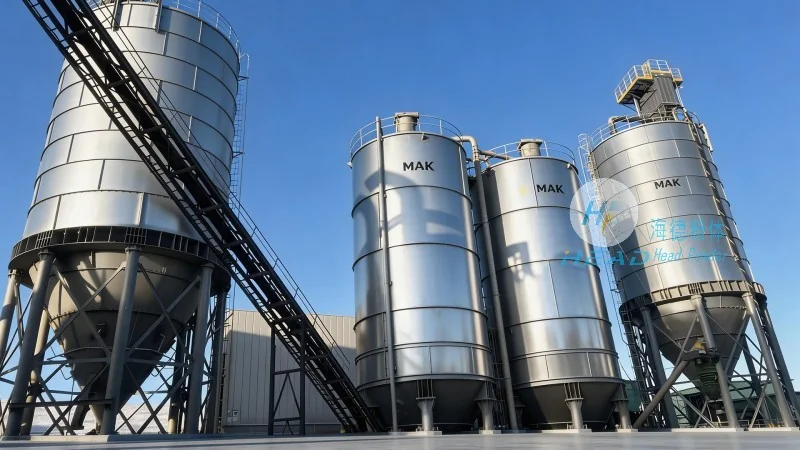
The core components of an intermittent feeding powder material conveyor typically include a hopper for material storage, a feeding mechanism (such as a screw or gate valve), a conveyor section (often a belt or chain system), and a discharge mechanism. The hopper is designed to hold the bulk powder and maintain a consistent material level. The feeding mechanism regulates the flow of material into the conveyor, while the conveyor section transports the material to the discharge point. The discharge mechanism ensures the material is released in a controlled manner, preventing overloading or spillage.
Working Principle of Intermittent Feeding
The operation of an intermittent feeding conveyor involves a cyclical process where material is fed into the conveyor in discrete batches or intervals. This is achieved through the controlled activation of the feeding mechanism, which may be operated manually or automatically based on system requirements. The conveyor then moves the material forward in a stepwise manner, typically using a intermittent motion (e.g., a reciprocating or oscillating motion) rather than continuous movement. This intermittent motion allows for precise control over the amount of material transported at any given time, reducing the risk of material bridging or clogging in the system.
Operation Process: Step-by-Step Guide
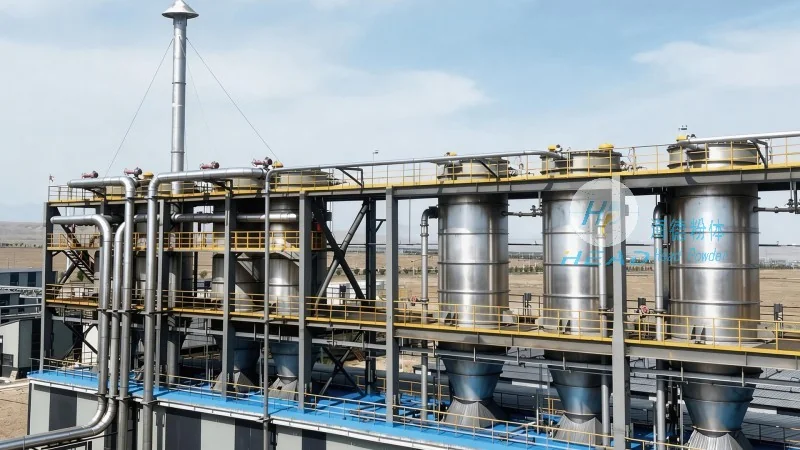
The operation process of an intermittent feeding powder material conveyor can be broken down into several key steps. First, the bulk powder is loaded into the hopper, ensuring the material level is sufficient for processing. Next, the feeding mechanism is activated to release a controlled amount of material into the conveyor. The conveyor then moves the material forward in a controlled interval, transporting it to the discharge point. The discharge mechanism then releases the material, completing the cycle. This process is repeated as needed to maintain a continuous flow of material, with the frequency and duration of each cycle adjustable based on operational requirements.
Advantages of Intermittent Feeding Conveyors
Intermittent feeding powder material conveyors offer several advantages over continuous conveyor systems. These include improved material control, reduced product degradation, and enhanced safety. The ability to control the flow of material in discrete batches allows for better management of material consistency and quality. Additionally, the intermittent motion reduces the risk of material bridging or clogging, which can be common in continuous systems. This results in higher system reliability and lower maintenance requirements.
Applications in Industrial Settings
Intermittent feeding conveyors are used in a wide range of industrial applications. In the pharmaceutical industry, they are used to transport raw materials and finished products with strict contamination control requirements. In food processing, they are used to handle ingredients such as flour, sugar, and spices, ensuring product purity and safety. In chemical manufacturing, they are used to transport powders and granules, maintaining consistent product quality and preventing cross-contamination. The versatility of these systems makes them suitable for various industries where precise material handling is essential.
Maintenance and Operational Considerations
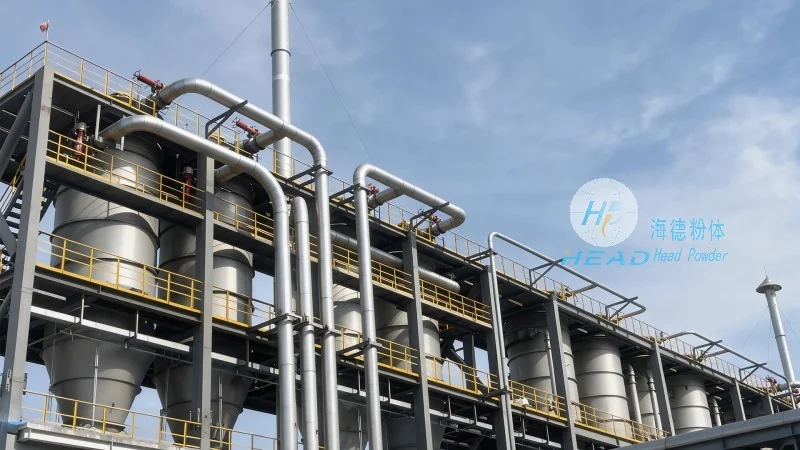
Proper maintenance is crucial for the optimal performance of intermittent feeding powder material conveyors. Regular cleaning of the hopper and conveyor components is necessary to prevent material buildup and contamination. The feeding mechanism and conveyor belt or chain should be inspected regularly for wear and tear, with replacement as needed. Additionally, the system should be operated within the recommended parameters to avoid overloading or excessive stress on components. By following proper maintenance procedures, the lifespan and efficiency of the conveyor can be maximized.
About Shandong HeadPowder Engineering Co., Ltd.
Shandong HeadPowder Engineering Co., Ltd., also known as headpowder, is a leading manufacturer of powder handling equipment based in China. The company specializes in the design, manufacturing, and supply of high-quality intermittent feeding powder material conveyors and other powder handling solutions. With years of experience in the industry, headpowder has developed a reputation for producing reliable and efficient equipment that meets the needs of various industrial applications. The company's commitment to quality and customer satisfaction has made it a trusted partner for businesses seeking reliable powder handling solutions.




