HeadPowder, a leading manufacturer of specialized engineering solutions, has developed a sophisticated powder conveying system tailored for the handling of lithium-ion battery anode materials. This system is designed to meet the stringent requirements of modern lithium battery production, ensuring efficient and reliable material transport while maintaining the high purity and integrity of the anode powder. The system is a critical component in the production line of Shandong HeadPowder Engineering Co., Ltd., a company based in Shandong, China, dedicated to providing advanced solutions for the battery industry.
Key Components and Their Functions
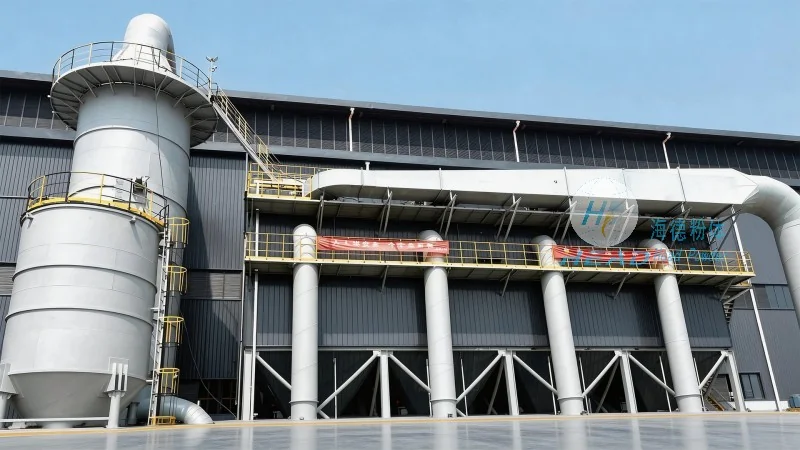
The system typically consists of several key components, each playing a vital role in the conveying process. These include bulk material feeders, pneumatic conveying lines, dust collection systems, and control panels. The bulk material feeder is responsible for feeding the anode powder from storage silos or hoppers into the conveying system. It ensures a consistent flow rate, which is crucial for maintaining the stability of the conveying process. The pneumatic conveying lines use air to transport the powder through a network of pipes, often employing positive or negative pressure systems depending on the material characteristics and the system layout. The dust collection system is integrated to capture any airborne particles, ensuring a clean and safe working environment while also preventing material loss. The control panel allows operators to monitor and adjust the system parameters in real-time, such as air pressure, flow rate, and material level, to optimize performance and prevent operational issues.
Operation Process of the Conveying System
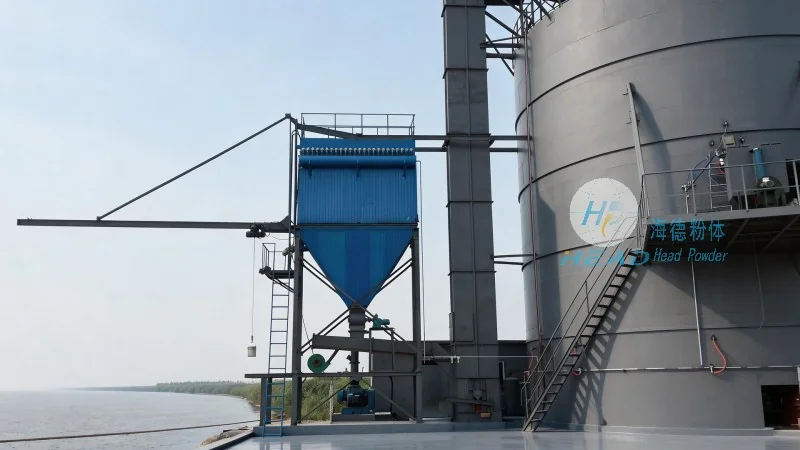
The operation of the powder conveying system for lithium-ion battery anode materials follows a systematic sequence to ensure smooth material transfer. The process begins with the preparation of the anode powder in the storage silo. The bulk material feeder then activates, drawing the powder from the silo and feeding it into the conveying line. The air compressor or blower generates the necessary air pressure to move the powder through the pipes. As the powder travels through the system, it may pass through various components like cyclones or filters, which help separate any oversized particles or moisture, ensuring the material meets the required quality standards. The powder is then delivered to the processing unit, such as a mixing or coating machine, where it is further processed into the final anode material. The system's control panel continuously monitors the entire process, providing feedback on any deviations and allowing for immediate adjustments to maintain the desired flow rate and material quality.
Working Principle of the Conveying System
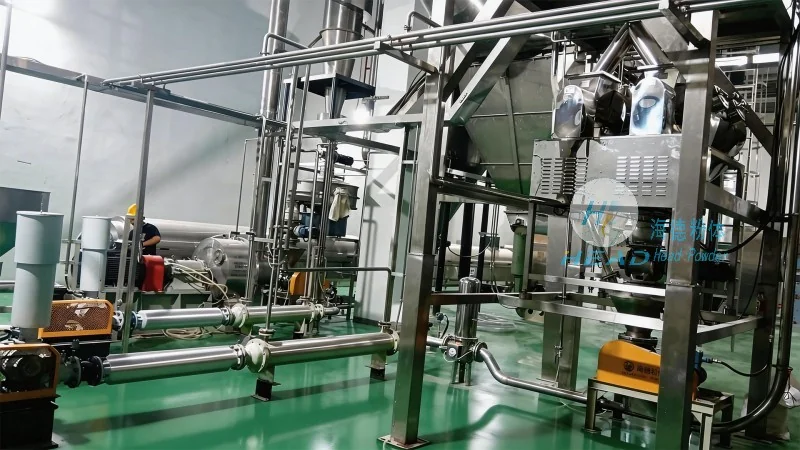
The working principle of the powder conveying system relies on the fundamental physics of fluid dynamics and material handling. In pneumatic conveying, the system uses air as the conveying medium to transport the anode powder. The air is introduced into the conveying line at a controlled pressure, creating a flow that carries the powder particles along the pipe. The design of the system, including the type of air flow (e.g., dilute phase or dense phase), is tailored to the specific properties of the anode material, such as its particle size, density, and moisture content. Dilute phase conveying uses lower air velocities and higher material-to-air ratios, suitable for fine powders with low density. Dense phase conveying, on the other hand, uses higher air velocities and lower material-to-air ratios, which is ideal for handling cohesive or abrasive materials, ensuring minimal particle degradation and better control over the material flow. The system's control mechanisms, including sensors and valves, regulate the air pressure and flow rate to maintain a stable conveying process, preventing issues like blockages or material degradation. The integration of dust collection and filtration systems ensures that the air leaving the system is clean, complying with environmental regulations and maintaining a safe working environment for personnel.
Benefits and Advantages of the System
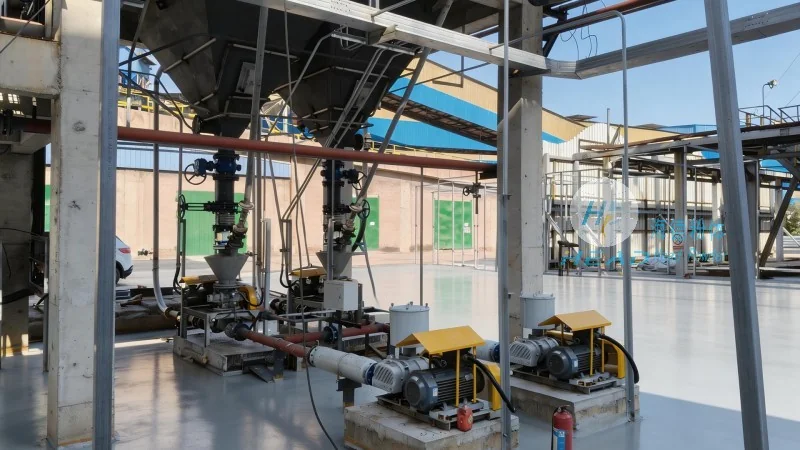
The powder conveying system for lithium-ion battery anode materials offers several significant benefits that enhance the efficiency and quality of the production process. Firstly, it ensures a continuous and consistent supply of anode powder to the processing units, reducing downtime and improving overall production throughput. The system's ability to handle high-purity materials without contamination is crucial for maintaining the quality of the final battery products. Additionally, the advanced control features allow for real-time monitoring and adjustment, enabling operators to quickly address any issues and maintain optimal performance. The system's design also minimizes material loss and waste, contributing to cost savings and environmental sustainability. By integrating dust collection and filtration, the system helps maintain a clean and safe working environment, reducing the risk of respiratory issues or other health hazards associated with handling fine powders. Overall, the system is a critical investment for lithium battery manufacturers, providing a reliable and efficient solution for handling anode materials and supporting the production of high-quality lithium-ion batteries.




