HeadPowder, a leading manufacturer based in Shandong, China, specializes in the design, development, and production of advanced pneumatic conveying systems tailored for transporting stone materials. The company's comprehensive range of equipment is engineered to meet the diverse needs of industrial applications, ensuring efficient, reliable, and cost-effective material handling solutions. This article delves into the operational process and working principles of stone pneumatic conveying systems, highlighting the key components, mechanisms, and benefits that make these systems indispensable in modern material handling operations.
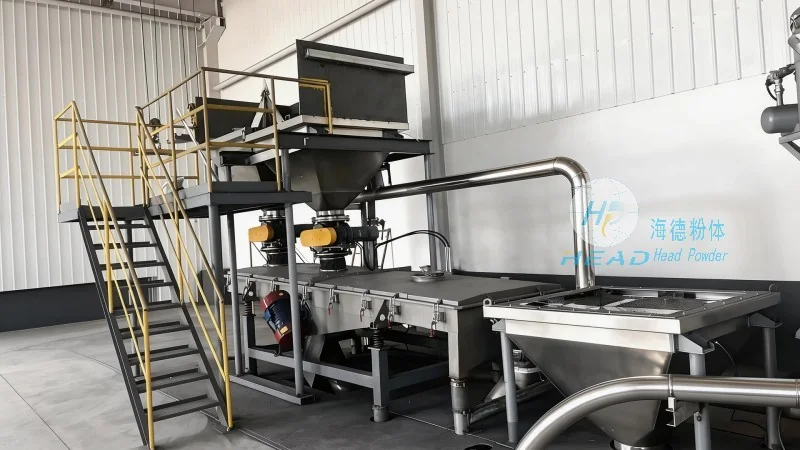
Key Components of the Pneumatic Conveying System
The stone pneumatic conveying system consists of several critical components that work in tandem to achieve seamless material transport. The primary elements include a hopper for material storage, a blower or air compressor to generate the necessary air pressure, a pipeline network to direct the material flow, a receiver or discharge unit for material collection, and control systems to regulate the operation. Each component plays a vital role in maintaining the system's efficiency and reliability. The hopper is designed to hold the stone material, ensuring a consistent feed rate. The blower provides the driving force by generating a high-velocity air stream that propels the material particles through the pipeline. The pipeline network, typically made of durable materials like stainless steel or plastic, is configured to minimize pressure loss and prevent material degradation. The receiver is equipped with a filter system to separate the material from the air, ensuring clean discharge. Control systems, often integrated with sensors and automation, allow for real-time monitoring and adjustment of the conveying parameters, enhancing operational safety and efficiency.
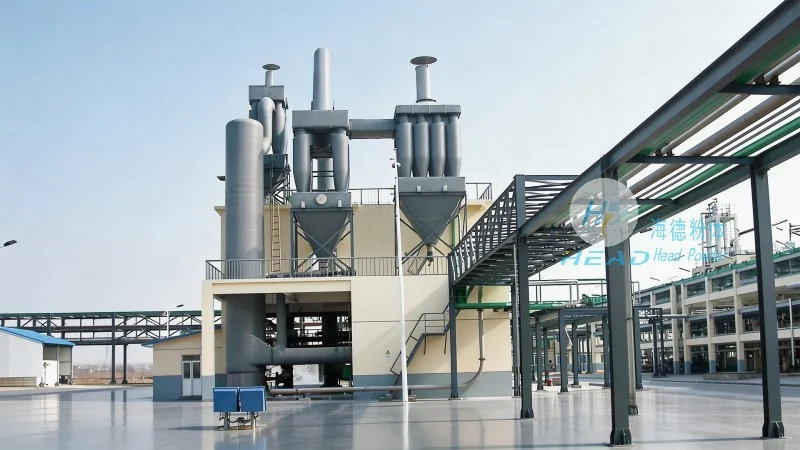
Operation Process of the Stone Pneumatic Conveying System
The operation of the stone pneumatic conveying system follows a systematic sequence that ensures smooth material transport from the source to the destination. The process begins with the loading of stone material into the hopper. Once the hopper is filled, the control system activates the blower, which starts to generate air pressure. The air is then introduced into the pipeline, creating a high-velocity air stream that lifts the stone particles from the hopper and carries them through the pipeline network. As the material travels through the pipeline, it is suspended in the air stream, maintaining a consistent flow rate. The system is designed to handle various stone types, including gravel, crushed stone, and sand, with different particle sizes and densities. The air velocity and pressure are carefully controlled to ensure that the material is conveyed without clogging or degradation. Upon reaching the discharge point, the material is separated from the air using a filter or cyclone separator, and collected in the receiver. The control system then adjusts the blower speed or pressure to maintain the desired conveying rate, ensuring continuous and efficient operation. This process is repeatable and can be scaled to accommodate different production volumes, making it suitable for both small-scale and large-scale industrial applications.
Working Principle of the Pneumatic Conveying System
The working principle of the stone pneumatic conveying system is based on the fundamental concept of pneumatic transport, where material particles are suspended and transported by an air stream. The system operates on the principle of fluidization, where the air velocity is sufficient to lift the stone particles and keep them suspended in the air. The key to efficient operation is maintaining the air velocity above the minimum fluidization velocity, which is the minimum air speed required to keep the particles suspended. If the air velocity is too low, the material will settle and cause clogging in the pipeline. Conversely, if the air velocity is too high, excessive energy consumption and potential damage to the material or equipment may occur. The system's design takes into account the specific properties of the stone material, such as particle size, density, and moisture content, to optimize the air velocity and pressure settings. The blower or air compressor provides the necessary pressure and volume of air to maintain the desired conveying conditions. The pipeline network is designed with appropriate bends, elbows, and straight sections to minimize pressure loss and maintain the air velocity. The receiver is equipped with a filter system that uses cyclonic separation or bag filters to separate the material from the air, ensuring that the discharged material is clean and free from contaminants. The control system continuously monitors the pressure, flow rate, and temperature of the system, adjusting the blower speed or pressure as needed to maintain optimal operation. This closed-loop control system ensures that the system operates efficiently and reliably, minimizing downtime and maximizing productivity.
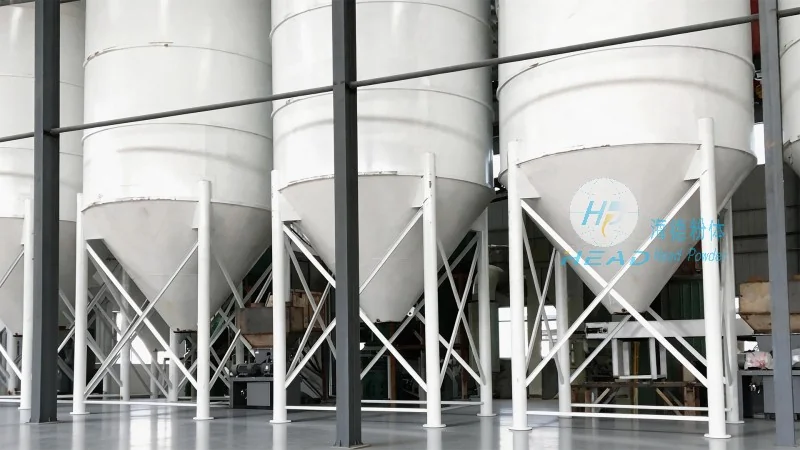
Benefits and Applications of the Stone Pneumatic Conveying System
The stone pneumatic conveying system offers numerous benefits that make it a preferred choice for industrial material handling applications. One of the primary advantages is its ability to transport stone materials over long distances without the need for intermediate storage or handling. The system is also highly flexible, allowing for easy integration with existing production lines and equipment. The use of pneumatic transport eliminates the need for mechanical conveyors, such as belt conveyors or screw conveyors, which can be prone to maintenance issues and material degradation. The system is also more hygienic and cleaner, as it prevents dust and material contamination, which is particularly important in food processing or pharmaceutical industries. Additionally, the system is energy-efficient, as it uses less energy compared to traditional mechanical conveyors, reducing operational costs. The stone pneumatic conveying system is widely used in various industries, including construction, mining, and manufacturing. In the construction industry, it is used to transport gravel, crushed stone, and sand from quarries to construction sites. In the mining industry, it is used to transport ore and other materials from processing plants to storage facilities. In the manufacturing industry, it is used to transport raw materials to production lines and finished products to storage areas. The system's versatility and efficiency make it an essential component in modern industrial operations.




