Hydroxide cobalt material pneumatic conveying systems represent a sophisticated method for transporting this critical chemical compound in industrial settings. The technology leverages the principles of pneumatic transport, where materials are moved through a pipeline using a gas stream, typically air or other gases. This approach offers several advantages over traditional mechanical conveying methods, particularly for handling hydroxide cobalt, which is often sensitive to moisture and requires controlled environments.
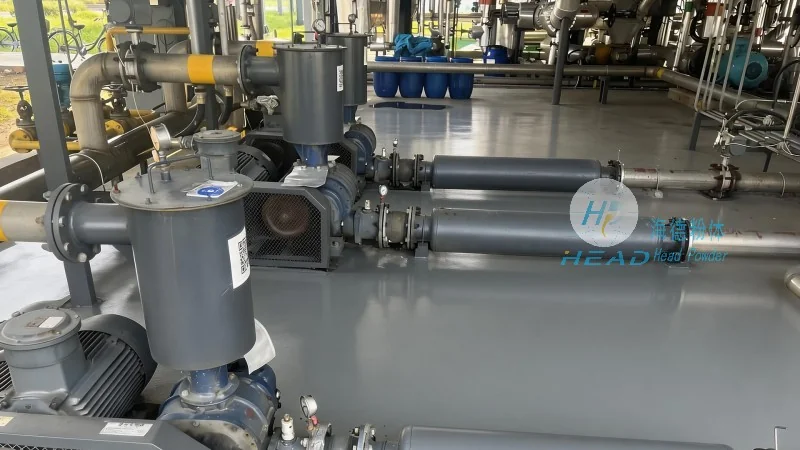
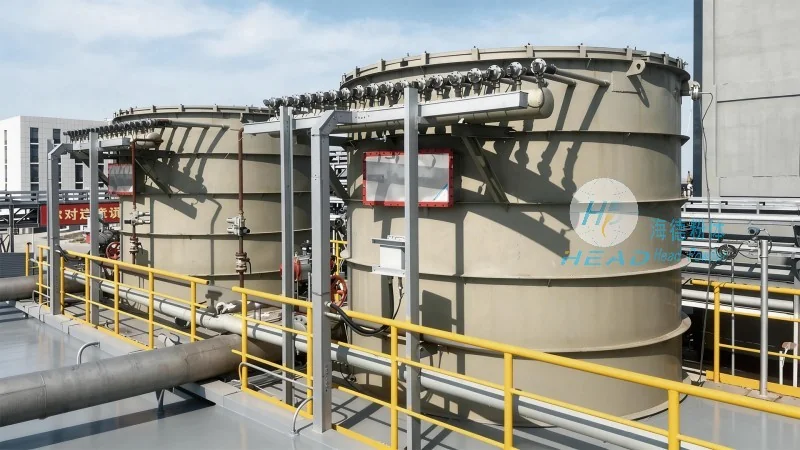
Principle of Pneumatic Conveying for Hydroxide Cobalt
The core principle of a hydroxide cobalt material pneumatic conveying system involves the creation of a flow of air or gas through a pipeline. The material is introduced into the system, often via a hopper or feeder, and is then entrained by the moving gas stream. This process allows the material to be transported from one location to another without direct contact with mechanical components, minimizing the risk of contamination or degradation. The system typically includes components such as a blower or compressor to generate the necessary air pressure, a pipeline network to guide the material, and a receiver or discharge unit to collect the material at the destination. The design of the system is tailored to the specific properties of hydroxide cobalt, including its particle size, density, and moisture content, ensuring efficient and reliable transport.
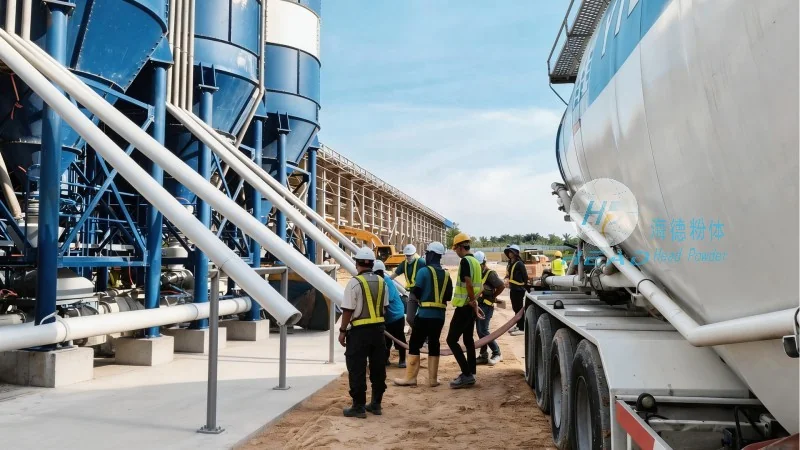
Working Scene Characteristics and Applications
Hydroxide cobalt material pneumatic conveying systems are employed in various industrial scenarios, each with distinct characteristics that influence system design and operation. For example, in battery manufacturing facilities, where hydroxide cobalt is used as a precursor for lithium-ion batteries, the system must handle high-purity material and maintain strict contamination control. The working scene may involve continuous operation over long periods, with the need for minimal downtime and efficient material throughput. In contrast, in research and development laboratories, the system might handle smaller quantities of material with more frequent changes in feed rates, requiring greater flexibility and precision in control. Additionally, in mining and processing plants, the system may need to transport hydroxide cobalt from storage silos to processing equipment, dealing with larger volumes and potentially more abrasive or moisture-prone material. The characteristics of the working scene, such as the distance between the feed and discharge points, the vertical or horizontal distance to be covered, and the required material flow rate, all play a crucial role in determining the optimal system configuration. Advanced systems may incorporate features like pressure regulation, particle size classification, and dust collection to enhance performance and safety in these diverse working environments.
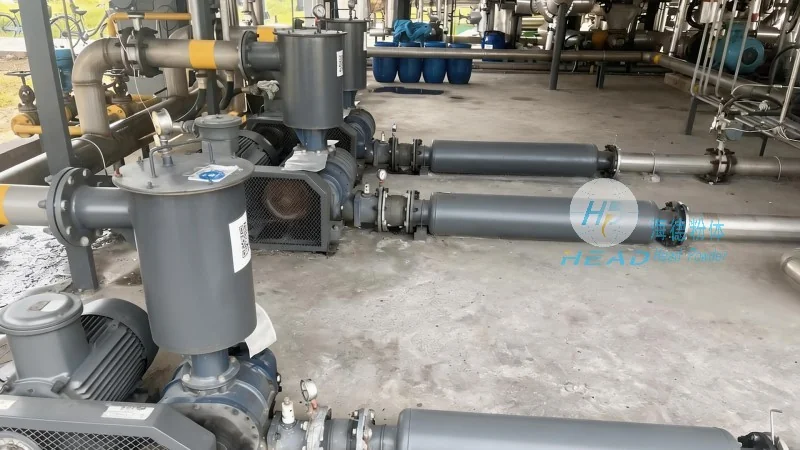
About Shandong HeadPowder Engineering Co., Ltd.
Shandong HeadPowder Engineering Co., Ltd., commonly known as HeadPowder, is a leading provider of engineering solutions for material handling and processing. With a focus on innovative and efficient systems, HeadPowder specializes in the design, manufacturing, and installation of pneumatic conveying systems tailored to the needs of various industries. The company is headquartered in Shandong, China, and serves clients globally with expertise in handling challenging materials like hydroxide cobalt. HeadPowder's commitment to quality and customer satisfaction is reflected in its comprehensive approach to system development, ensuring that each solution meets the specific requirements of the application while adhering to industry standards and safety regulations.




