Shandong HeadPowder Engineering Co., Ltd., commonly known as headpowder, specializes in the design, manufacturing, and integration of advanced material handling systems tailored for dry stone powder applications. With a focus on innovation and reliability, the company has established itself as a key player in providing efficient solutions for transporting and processing dry stone powders across various industrial sectors.
Principle of Dry Stone Powder Material Handling Systems
Dry stone powder material handling systems operate on the fundamental principle of transporting bulk dry materials, such as limestone, gypsum, or other fine powders, through a network of components designed to ensure efficient and controlled movement. The core of these systems typically involves a combination of mechanical and pneumatic elements, working in tandem to achieve seamless material transfer. Key components include a hopper or feeder to store and meter the material, a conveying mechanism (e.g., pneumatic or mechanical), and a control system to regulate flow and pressure. The pneumatic conveying system, for instance, uses compressed air to create a flow that propels the dry powder through pipelines, while mechanical systems like screw conveyors or belt conveyors rely on rotational motion to move the material. The selection of the conveying method depends on factors such as material properties (e.g., particle size, moisture content), distance, and required throughput. For example, pneumatic systems are often preferred for long-distance or high-volume transport of fine powders due to their ability to handle abrasive materials without wear. In contrast, mechanical systems like screw conveyors are suitable for shorter distances and less abrasive materials, offering lower maintenance costs. The control system plays a critical role in maintaining consistent flow rates, preventing blockages, and ensuring safety by monitoring pressure and temperature levels. It may include sensors to detect material levels, pressure gauges to measure air pressure, and alarms to alert operators of any anomalies. By integrating these components, the system ensures that dry stone powders are transported with minimal loss, low energy consumption, and high reliability. The principle also emphasizes the importance of material handling safety, as dry powders can be hazardous if not handled properly, leading to dust explosions or respiratory issues. Therefore, modern systems incorporate dust suppression and filtration technologies to mitigate these risks and ensure a safe working environment.
Working Scene Characteristics and Applications
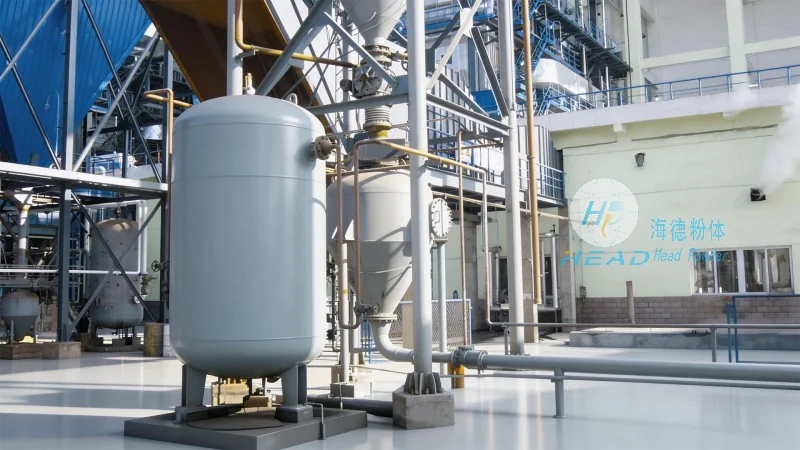
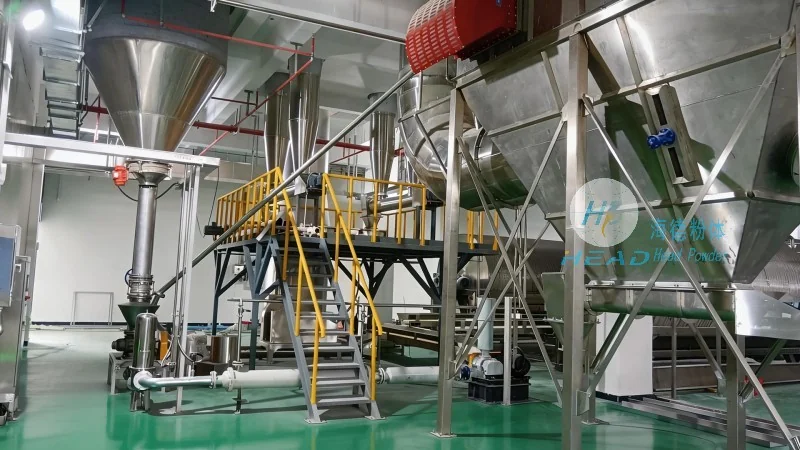
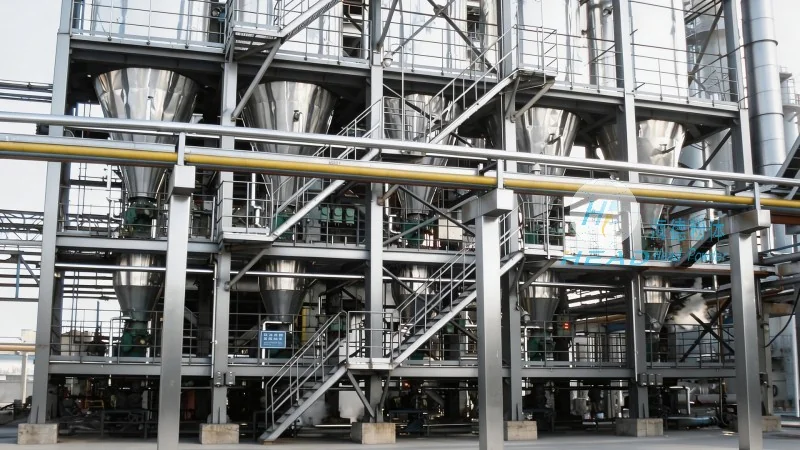
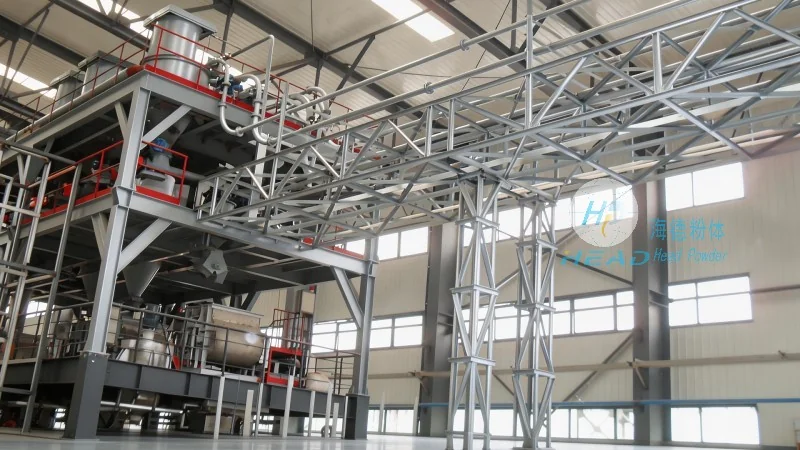
The working scene characteristics of dry stone powder material handling systems are defined by their adaptability to diverse industrial environments and operational requirements. These systems are widely employed in sectors such as construction, mining, and chemical processing, where the efficient handling of dry powders is essential for productivity and cost-effectiveness. In construction sites, for example, dry stone powder systems are used to transport limestone or gypsum to concrete mixing plants, ensuring a steady supply of raw materials for concrete production. The systems are typically integrated with batching equipment, allowing for precise control over the amount of powder added to the mix. This integration enhances the quality of the concrete, as consistent material supply prevents variations in strength and durability. In mining operations, the systems help in the transportation of crushed stone powders from processing plants to storage facilities or for further processing. The high throughput and reliability of these systems are crucial in mining, where downtime can lead to significant financial losses. The systems are often designed to handle large volumes of material, with some capable of transporting up to several tons per hour, depending on the specific application. Another key application is in the chemical industry, where dry stone powders are used as raw materials for manufacturing products like plaster or cement. The handling systems ensure that these materials are transferred safely and without contamination, as even small amounts of impurities can affect the final product's quality. The working scene characteristics also highlight the importance of environmental considerations, as modern systems often incorporate dust suppression and filtration technologies to minimize air pollution and comply with regulatory standards. For instance, some systems use cyclone separators to capture dust particles, reducing emissions by up to 90% compared to traditional methods. Additionally, the systems are designed to be flexible, allowing for easy integration with existing production lines and scalability to accommodate varying production demands. This adaptability makes them suitable for both small-scale and large-scale operations, from local construction projects to large industrial facilities. The reliability and efficiency of these systems contribute significantly to the overall operational performance, reducing downtime and enhancing the quality of the final products. In summary, the working scene characteristics of dry stone powder material handling systems reflect their versatility and importance in modern industrial processes, enabling efficient and safe material transfer across various applications.




