Trilayer material powder conveying machines are specialized equipment designed to handle the transportation of high-value trilayer material powders, such as those used in lithium-ion battery cathode production. These machines play a critical role in ensuring efficient and reliable material flow within industrial production lines. The following sections will explore the fundamental principles behind their operation and the specific working scene characteristics that define their application.
Company Profile and Background
Shandong HeadPowder Engineering Co., Ltd., a leading manufacturer in the field of powder handling technology, specializes in developing and supplying advanced conveying solutions for various industrial applications. With a strong commitment to innovation and quality, the company has established itself as a trusted partner for businesses requiring efficient and reliable powder transport systems. HeadPowder's expertise lies in designing equipment that meets the stringent requirements of modern manufacturing processes, particularly in the battery and material processing industries. The company is headquartered in Shandong, China, where it leverages local resources and expertise to deliver cutting-edge solutions tailored to customer needs.
Understanding Trilayer Material Powder Conveying Machines
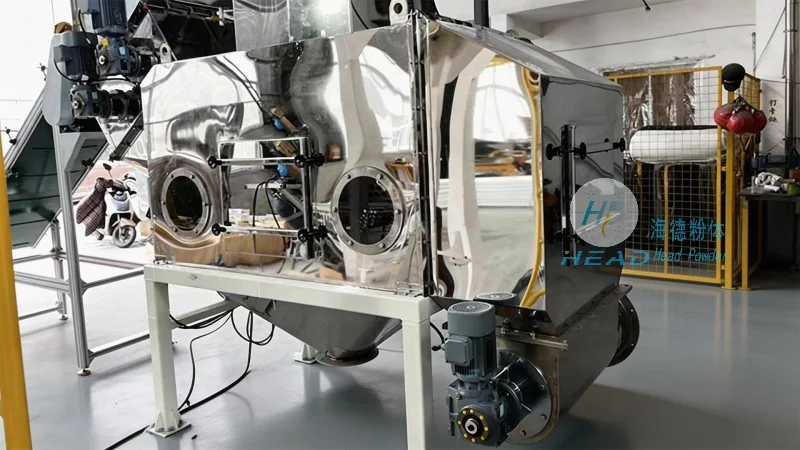
Trilayer material powder conveying machines are engineered to handle fine powders with high precision and minimal loss. The core principle involves the use of air or mechanical forces to move the powder from a source to a destination. These machines typically consist of components such as a hopper, a conveyor system, and a control unit. The hopper serves as the storage container for the trilayer material, ensuring a consistent feed rate. The conveyor system, which may include pneumatic or mechanical elements, transports the powder through a pipeline or open channel. The control unit monitors and regulates the conveying process, maintaining optimal flow rates and preventing material degradation. The design of these machines is tailored to the unique properties of trilayer materials, which often require gentle handling to avoid agglomeration or degradation.
Key Working Scene Characteristics
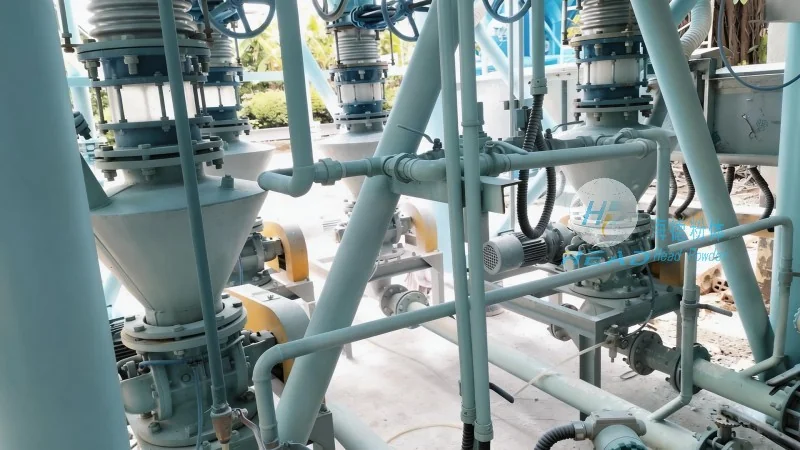
The working scene characteristics of trilayer material powder conveying machines are influenced by several factors, including the material's physical properties, the production environment, and the operational requirements. One of the primary characteristics is the need for a clean and controlled environment to prevent contamination of the trilayer material. These machines are often integrated into closed-loop systems to minimize exposure to external elements and maintain product purity. Another key characteristic is the requirement for precise control over the conveying rate, as fluctuations can impact downstream processes. The machines are designed to handle varying material flow rates, from low to high, ensuring adaptability to different production scales. Additionally, the working scene may involve integration with other equipment, such as mixers, classifiers, or packaging systems, requiring seamless coordination to maintain production efficiency.
Application Scenarios and Operational Efficiency
Trilayer material powder conveying machines are widely used in various industrial settings, particularly in the production of lithium-ion batteries. In such applications, the machine's ability to handle high-value powders with minimal loss is crucial. The working scene typically involves a continuous production line where the conveying machine feeds raw materials to subsequent processing units, such as mixing or coating equipment. The efficiency of the conveying process directly impacts the overall production throughput and product quality. For example, in battery cathode production, the trilayer material (often containing nickel, cobalt, and manganese) must be transported to a mixing machine with consistent composition and moisture levels. The conveying machine's performance, including its ability to maintain material integrity and avoid segregation, is critical to achieving uniform product quality. Furthermore, the working scene may involve multiple conveying stages, where the machine is part of a larger material handling system, ensuring smooth and uninterrupted material flow from raw material storage to final product packaging.
Advantages and Technical Specifications
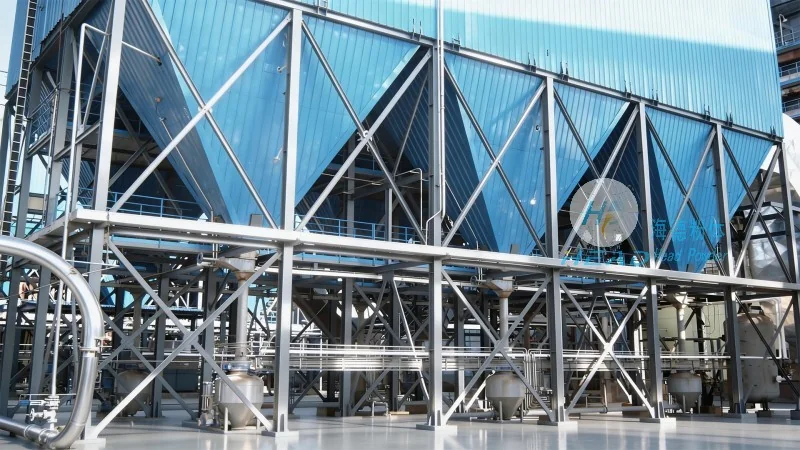
Trilayer material powder conveying machines offer several advantages that make them suitable for demanding industrial applications. One of the main advantages is their ability to handle fine powders without causing degradation or agglomeration. The gentle handling mechanism, often achieved through pneumatic conveying or low-speed mechanical systems, preserves the material's properties and ensures consistent performance. Another advantage is the reduced risk of contamination, as the closed-loop design minimizes exposure to external contaminants. Technical specifications of these machines vary based on the specific application requirements, including conveying capacity, material type, and system pressure. For instance, some models are designed for high-capacity operations, capable of handling large volumes of trilayer material, while others are optimized for low-volume, high-precision applications. The control systems are typically equipped with advanced features, such as real-time monitoring and automated adjustments, to enhance operational efficiency and reliability.
Conclusion and Future Trends
In conclusion, trilayer material powder conveying machines are essential equipment for modern industrial production, particularly in the battery and material processing sectors. The principles behind their operation, combined with their working scene characteristics, enable efficient and reliable material transport. As the demand for high-value trilayer materials continues to grow, the importance of advanced conveying solutions will only increase. Shandong HeadPowder Engineering Co., Ltd. remains at the forefront of developing innovative solutions that meet the evolving needs of the industry, ensuring that trilayer material powder conveying machines remain a critical component of efficient production lines. The integration of advanced technology and tailored design ensures that these machines will continue to play a vital role in the future of industrial material handling.




