Small stone powder conveying systems are specialized equipment designed to transport fine particulate materials, such as small stone powders, efficiently and reliably. These systems are widely used in various industrial applications where the handling of dry, free-flowing powders is essential. The technology behind these systems combines mechanical components and control mechanisms to ensure smooth material transfer from the source to the destination, minimizing issues like clogging, material degradation, or loss.
Core Principles of Powder Conveying Technology
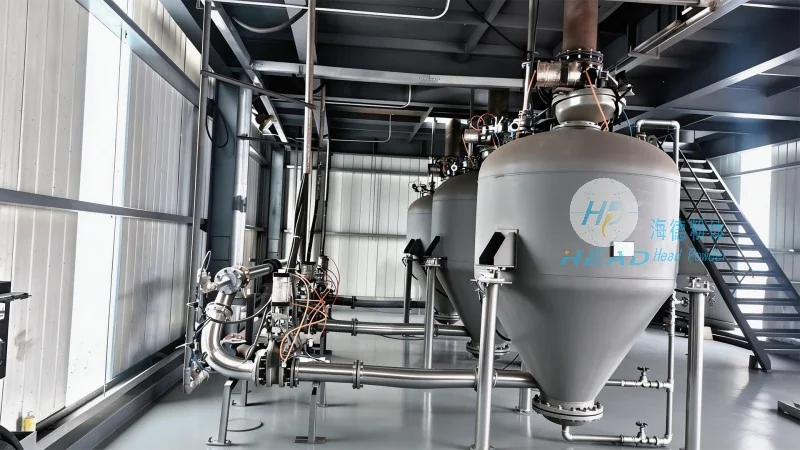
The fundamental principle of small stone powder conveying systems revolves around the use of air or mechanical force to move particles through a pipeline. In pneumatic conveying systems, for example, compressed air is used to create a flow that carries the powder particles. This method is particularly effective for materials that are light and free-flowing. The system typically includes a hopper for material storage, a feeder to control the flow rate, a conveying line, and a receiver to collect the material at the end. The design of each component is critical to the overall efficiency and performance of the system. For instance, the hopper is often equipped with a discharge valve to regulate the material feed, while the feeder may use a rotary valve or a screw mechanism to ensure consistent flow. The conveying line itself is usually made of materials resistant to abrasion and corrosion, such as stainless steel or special plastics, to withstand the abrasive nature of small stone powders. The receiver at the end of the line is designed to collect the material without causing dust emissions or spillage.
Working Scene Characteristics and Application Scenarios
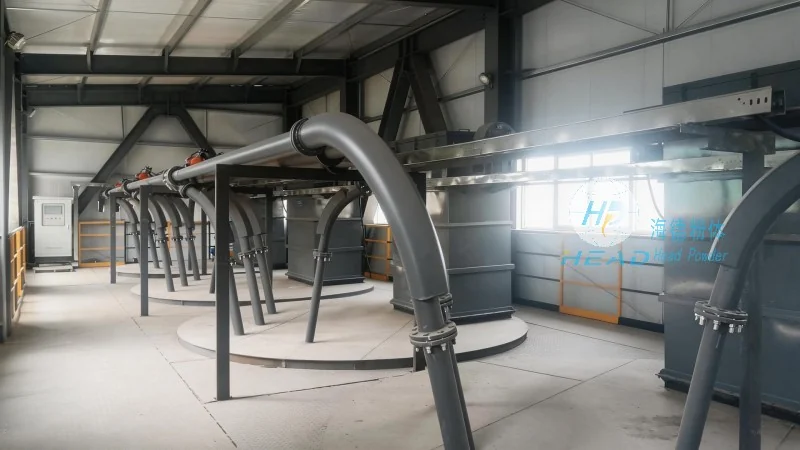
Small stone powder conveying systems are employed in diverse industrial settings, each with unique characteristics that influence the system's design and operation. One common application is in the construction industry, where small stone powders are used as raw materials for concrete production. In this scenario, the system must handle large volumes of material and maintain a consistent flow to meet production demands. The working environment is often characterized by high humidity and temperature fluctuations, which can affect the material's properties and the system's performance. Another application is in the chemical industry, where small stone powders are used as additives or fillers in various products. Here, the system needs to ensure that the material is conveyed without contamination, as even small amounts of impurities can impact the final product quality. The working scene may also involve multiple processing stages, requiring the conveying system to integrate with other equipment, such as mixers or reactors. Additionally, in mining operations, small stone powders are often extracted from ore and transported to processing facilities. The system must be robust enough to handle abrasive and heavy materials, with components designed to withstand high stress and wear. The working environment in mining is typically harsh, with dust and noise, which necessitates the use of dust collection and noise reduction measures in the conveying system.
Advantages and Key Features of the Systems
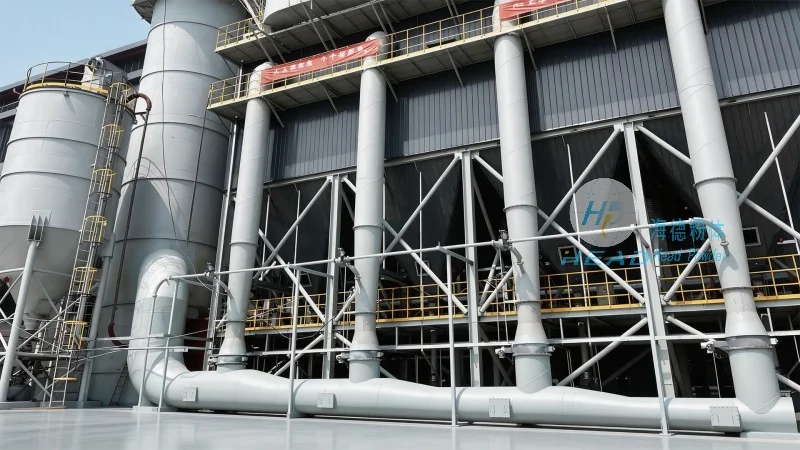
Small stone powder conveying systems offer several advantages that make them suitable for various industrial applications. One of the primary benefits is their ability to handle fine particulate materials efficiently, reducing the need for manual handling and associated labor costs. The systems are also designed to minimize material loss and contamination, which is crucial in industries where product quality is paramount. Another advantage is the flexibility in system design, allowing customization based on the specific requirements of the application. For example, the conveying line length and diameter can be adjusted to accommodate different distances and material volumes. The systems also feature advanced control mechanisms, such as sensors and automation, which enable real-time monitoring and adjustment of the conveying process. This helps in maintaining optimal performance and preventing issues like blockages or overloading. Furthermore, the use of pneumatic conveying systems reduces the risk of dust explosions compared to mechanical systems, as the material is enclosed in a pipeline, minimizing the exposure of fine particles to the air. The systems are also energy-efficient, as they can operate with lower power consumption compared to traditional methods like bucket elevators or belt conveyors. This makes them a cost-effective solution for long-term material handling needs.
Company Profile: Shandong HeadPowder Engineering Co., Ltd.
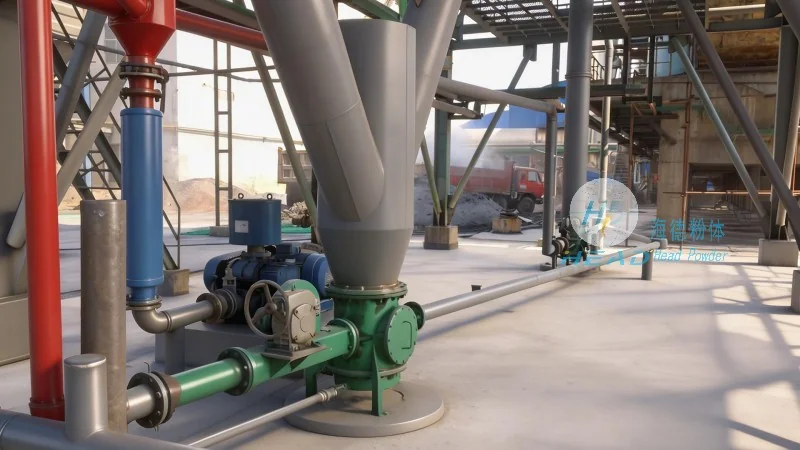
Shandong HeadPowder Engineering Co., Ltd., commonly known as headpowder, is a leading manufacturer and supplier of small stone powder conveying systems and related industrial equipment. The company is headquartered in Shandong, China, and has established a strong reputation for its innovative and reliable products. With years of experience in the industry, headpowder has developed a comprehensive range of conveying systems tailored to meet the diverse needs of its clients. The company's products are designed with a focus on efficiency, durability, and safety, ensuring that they meet the highest standards of performance and quality. Headpowder's team of engineers and technicians work closely with clients to understand their specific requirements and provide customized solutions. The company also offers after-sales support, including maintenance and repair services, to ensure that the systems operate at optimal levels throughout their service life. Headpowder's commitment to quality and customer satisfaction has made it a trusted partner for many industrial companies worldwide.




