

Principle and Working Scene Characteristics of Automatic Quantitative Pneumatic Conveying Systems fo
Shandong HeadPowder Engineering Co., Ltd., commonly known as headpowder, is a professional manufacturer and supplier of industrial pneumatic conveying systems. The company is headquartered in Shandong, China, and specializes in the design, development, and installation of advanced material handling solutions. With years of experience in the field, headpowder has established itself as a trusted partner for businesses seeking efficient and reliable bulk material transportation solutions.
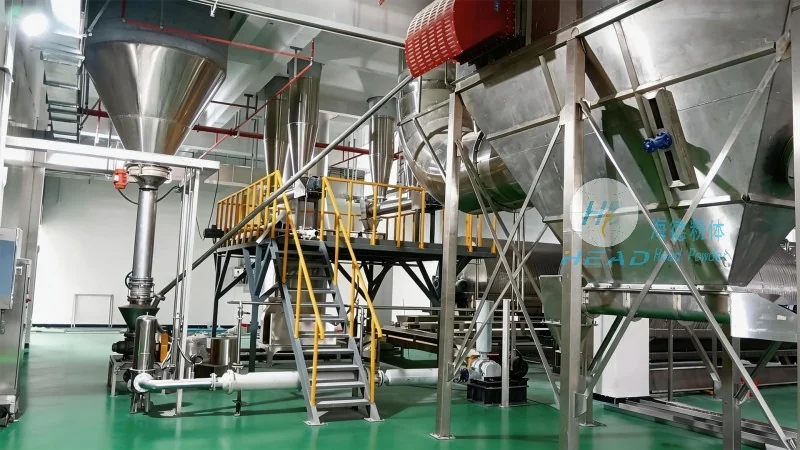
Overview of Automatic Quantitative Pneumatic Conveying Systems
Automatic quantitative pneumatic conveying systems are advanced industrial equipment designed to transport bulk materials from one location to another with high precision and efficiency. These systems utilize compressed air or other gases to move powders, granules, and other dry materials through a network of pipes and components. The core of such systems lies in the automatic quantitative feeding mechanism, which ensures consistent and accurate material delivery, making them ideal for applications where material consistency is critical.
The Principle of Operation
The operation of an automatic quantitative pneumatic conveying system is based on the principle of air-assisted material transport. The system typically consists of a hopper, a feeder, a conveying line, and a receiver. The feeder, often a rotary valve or a screw feeder, meters the material at a controlled rate. Compressed air is introduced into the conveying line, creating a flow that propels the material forward. The quantitative mechanism ensures that the correct amount of material is fed into the system, which is then transported to the destination. This process is automated, reducing the need for manual intervention and minimizing human error.
Key Working Scene Characteristics
The working scene characteristics of automatic quantitative pneumatic conveying systems vary based on the industry and specific application requirements. For instance, in the chemical industry, these systems are used to transport powders like chemicals, pigments, and additives with high precision, ensuring that the final product meets stringent quality standards. In the food and pharmaceutical industries, the systems are designed to handle materials that require strict hygiene and contamination control, with features such as stainless steel construction and easy-to-clean components.
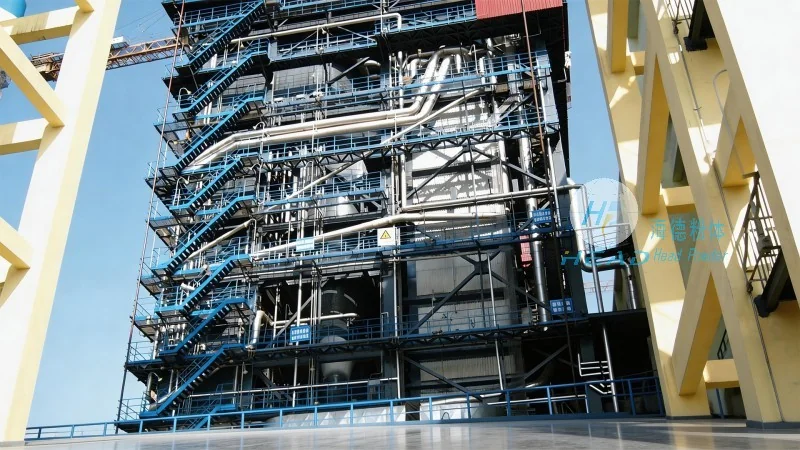
In the cement and construction sectors, the systems are used for transporting bulk materials like cement, sand, and gravel, where high throughput and durability are essential. The ability to handle abrasive materials without causing wear and tear on the system components is a key characteristic. Additionally, in the agricultural sector, these systems are employed to transport grains, seeds, and other agricultural products, where consistent moisture content and temperature control are important factors.
Technical Advantages and Application Benefits
Automatic quantitative pneumatic conveying systems offer several technical advantages that make them a preferred choice for various industrial applications. One of the primary benefits is the high level of accuracy in material measurement, which ensures that the final product composition is consistent and meets the required specifications. This is particularly important in industries where product quality directly impacts market value and customer satisfaction.
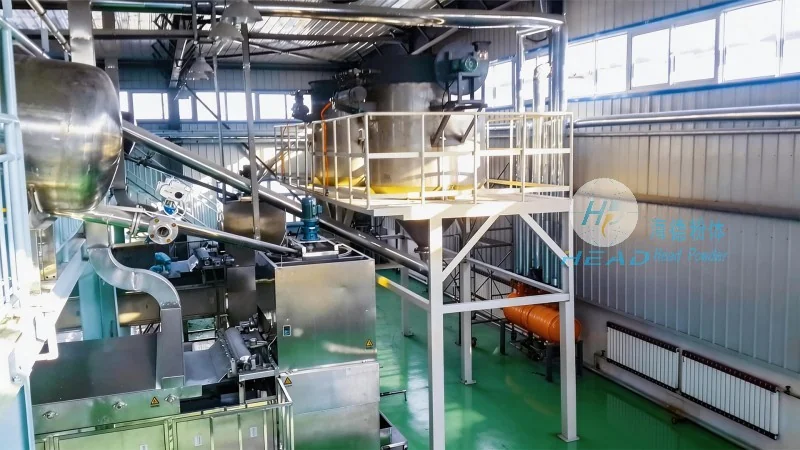
Another significant advantage is the efficiency of the conveying process. By using compressed air to move materials, the system minimizes the need for mechanical components that are prone to wear and tear, reducing maintenance costs and downtime. The automated nature of the system also enhances operational efficiency, as it can operate continuously without the need for constant human supervision.
Furthermore, these systems are designed to be flexible and adaptable to different material types and processing requirements. The modular design allows for easy integration into existing production lines and can be customized to meet specific client needs. This flexibility makes them suitable for a wide range of applications, from small-scale operations to large-scale industrial plants.
Conclusion
Automatic quantitative pneumatic conveying systems, as offered by Shandong HeadPowder Engineering Co., Ltd., represent a sophisticated solution for bulk material handling. By combining precise quantitative feeding with efficient pneumatic transport, these systems enhance productivity, improve product quality, and reduce operational costs. The working scene characteristics, tailored to various industrial needs, highlight the versatility and reliability of the technology. For businesses seeking to optimize their material handling processes, these systems provide a robust and effective solution.