Understanding the fundamental principles and operational characteristics of pneumatic conveying systems is crucial for industries dealing with bulk materials like limestone and gypsum powder. Pneumatic conveying, a method of transporting dry bulk solids through a pipeline using air or gas as the conveying medium, offers a versatile solution for material handling in various industrial applications. This article explores the core mechanisms behind pneumatic conveying and highlights the specific working scene characteristics relevant to limestone and gypsum powder transport, with a focus on the expertise of Shandong HeadPowder Engineering Co., Ltd.
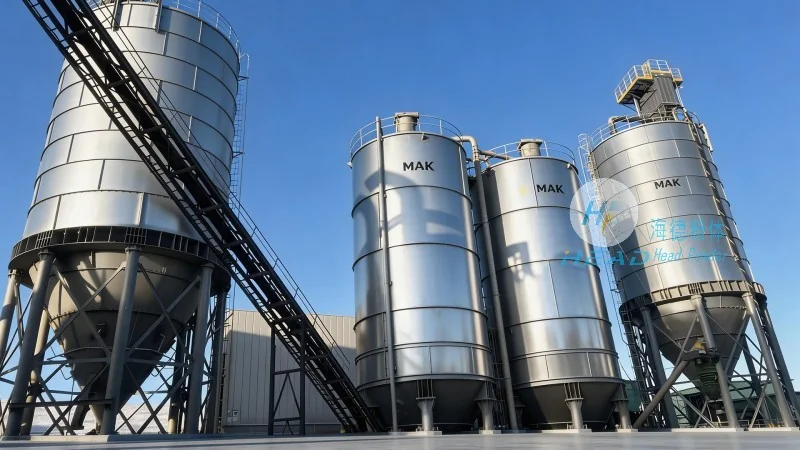
The Working Principle of Pneumatic Conveying
Pneumatic conveying operates on the principle of air flow to move dry bulk materials. There are two primary types of pneumatic conveying systems: pressure and vacuum. In pressure systems, air is introduced under pressure at the material feed point, pushing the material through the pipeline. Vacuum systems, on the other hand, use a vacuum at the discharge end to draw material into the pipeline. For limestone and gypsum powder, which are typically fine, dry powders, pressure systems are commonly employed due to their efficiency in handling such materials. The process involves feeding the powder into a hopper, where it is mixed with air under pressure, creating a slurry-like mixture that travels through the pipeline to the destination. The air velocity is carefully controlled to ensure the material is suspended and transported without clogging or degradation. This method eliminates the need for mechanical components like belts or buckets, reducing maintenance and increasing operational reliability.
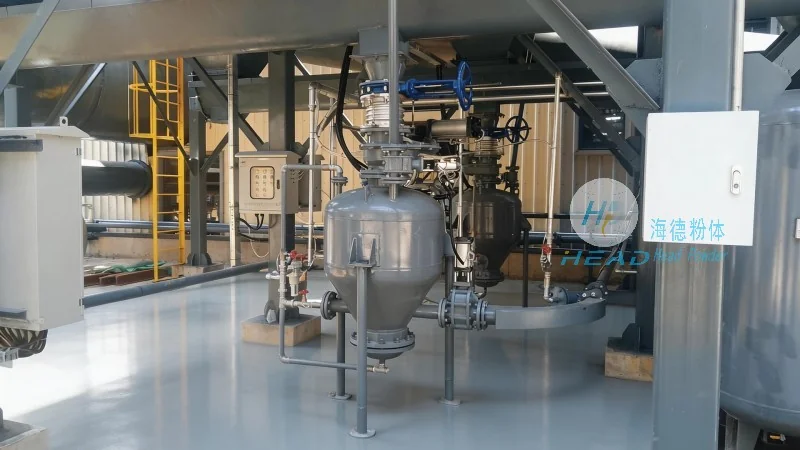
Key Working Scene Characteristics for Limestone and Gypsum Powder
The application of pneumatic conveying for limestone and gypsum powder is defined by several key characteristics that optimize material handling in industrial settings. First, the fine particle size of these powders requires a system designed to prevent particle agglomeration and ensure consistent flow. Shandong HeadPowder Engineering Co., Ltd. specializes in customizing pneumatic conveying solutions that address these challenges, such as using high-efficiency air classifiers and specialized hopper designs to maintain material quality. Second, the dust control aspect is critical in industrial environments. Pneumatic conveying systems are equipped with dust collection and filtration systems to minimize airborne particulates, ensuring compliance with environmental regulations and workplace safety standards. Third, the system's scalability allows for integration into existing production lines or expansion as production needs grow. This flexibility is particularly valuable for companies like HeadPowder, which serves diverse clients in sectors like construction, cement manufacturing, and chemical processing. The working scenes often involve large-scale material transport over significant distances, with the ability to handle high volumes while maintaining low energy consumption and operational costs.
Applications and Operational Benefits
The practical applications of pneumatic conveying for limestone and gypsum powder span multiple industries, providing significant operational benefits. In cement production, for example, limestone is a primary raw material, and efficient transport is essential for maintaining production rates. Pneumatic conveying systems enable continuous, uninterrupted material flow from storage silos to the kiln, reducing downtime and improving overall plant efficiency. Similarly, in chemical processing, gypsum powder is used in wallboard manufacturing, and pneumatic transport ensures a steady supply of raw material to production lines. The benefits extend beyond material transport; the system's ability to handle fine powders without degradation preserves product quality, which is vital for applications where particle size and purity are critical. Additionally, the absence of mechanical components reduces maintenance costs and extends the lifespan of the equipment. For Shandong HeadPowder Engineering Co., Ltd., these benefits are central to their service offerings, as they design and implement customized pneumatic conveying solutions tailored to the specific needs of each client.
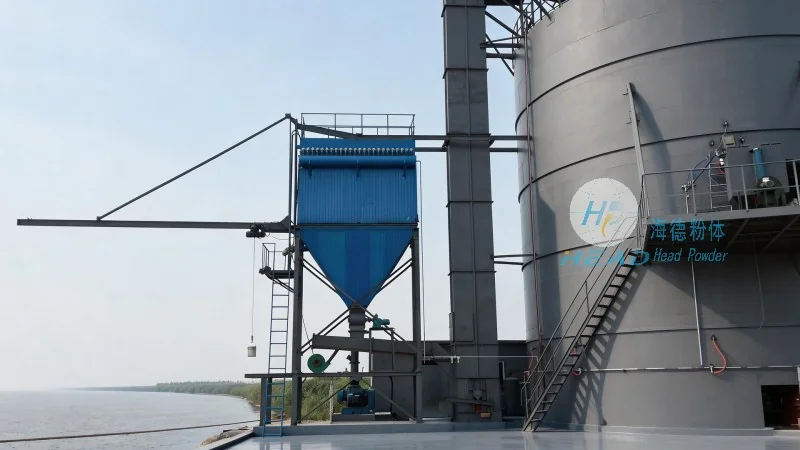
Conclusion and Company Overview
Pneumatic conveying represents a sophisticated and efficient method for transporting limestone and gypsum powder, with its working scene characteristics tailored to the demands of modern industrial operations. The principles of air-driven material transport, combined with specialized system designs, ensure reliable and cost-effective material handling. Shandong HeadPowder Engineering Co., Ltd., based in China, has established itself as a leader in providing customized pneumatic conveying solutions for bulk material transport. With a focus on optimizing material flow, dust control, and system scalability, the company serves clients across various industries, delivering solutions that enhance operational efficiency and product quality. The working scene characteristics of pneumatic conveying for limestone and gypsum powder highlight its adaptability and effectiveness, making it a preferred choice for industries requiring reliable bulk material transport solutions.




