Small bag material handling systems are essential in various industrial and logistics applications, facilitating the efficient transfer of bulk materials from one location to another. Understanding the working principle and key features of such systems is crucial for optimizing material flow and enhancing operational efficiency. This article provides an in-depth overview of how small bag material handling works and the distinct characteristics that make it a preferred solution in modern material handling operations.
Working Principle of Small Bag Material Handling
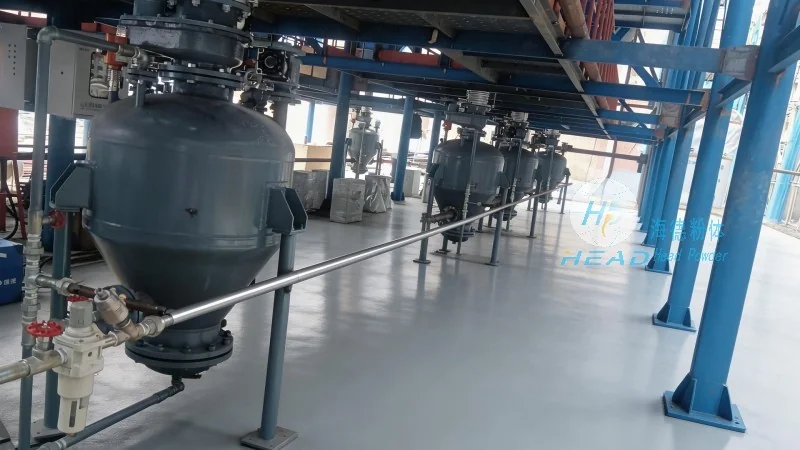
The working principle of small bag material handling typically involves a series of automated or semi-automated processes designed to handle, transport, and store materials contained in small bags. The process generally begins with the loading of bags onto a conveyor or feeding system. From there, the system may incorporate components such as conveyors, elevators, sorters, and storage units to move the bags through the handling workflow. Each component plays a specific role in ensuring the smooth and efficient movement of materials. For instance, conveyors may transport bags horizontally or at an incline, while elevators can lift bags to higher levels for storage or processing. Sorting mechanisms may be integrated to direct bags to different destinations based on specific criteria, such as weight, size, or destination. The entire system is often controlled by a central control unit that coordinates the operation of all components, ensuring synchronization and optimal performance. This integrated approach allows for a seamless flow of materials from the point of origin to the point of use or storage.
Key Features of Small Bag Material Handling Systems
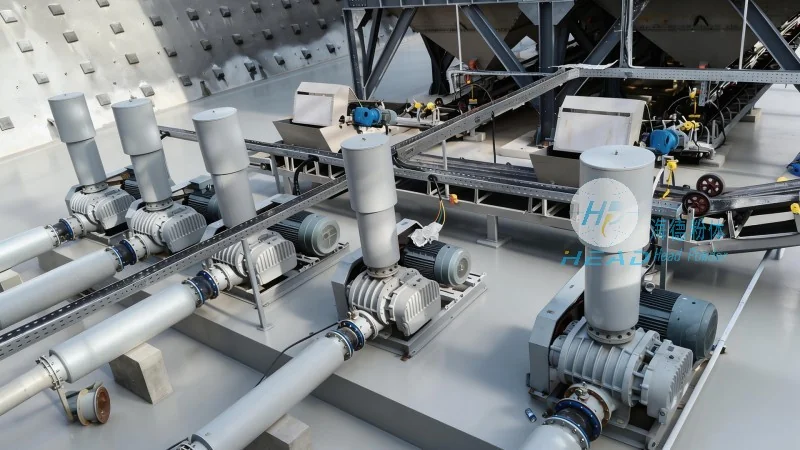
Small bag material handling systems are characterized by several notable features that contribute to their effectiveness and adaptability in diverse industrial settings. One of the primary features is their high efficiency, which is achieved through automation and streamlined processes. By minimizing manual intervention, these systems can handle a large volume of bags in a short period, reducing labor costs and increasing throughput. Another key feature is flexibility, as many systems can be configured to handle different bag sizes, types, and materials. This adaptability allows users to customize the system to meet specific operational requirements, whether in a warehouse, manufacturing plant, or distribution center. Additionally, small bag material handling systems often incorporate advanced technologies, such as sensors and automated controls, to enhance precision and reliability. These technologies enable real-time monitoring of the handling process, allowing for quick adjustments and problem resolution. Furthermore, the systems are designed with durability and low maintenance in mind, ensuring long-term operational reliability. The use of high-quality materials and robust construction helps to minimize downtime and maintenance costs, making them a cost-effective solution for material handling needs.
Applications and Benefits in Industrial Operations
Small bag material handling systems find wide applications across various industries, including manufacturing, food processing, pharmaceuticals, and logistics. In manufacturing, these systems are used to transport raw materials to production lines and move finished products to storage or shipping areas. In food processing, they help maintain hygiene and efficiency by handling bags of ingredients or products. The benefits of implementing such systems extend beyond mere material transport; they also contribute to improved safety, as automated systems reduce the risk of manual handling injuries. Moreover, the integration of small bag material handling with other logistics systems, such as inventory management and order fulfillment, enhances overall operational coordination. This synergy leads to better resource utilization and reduced operational bottlenecks. The systems also support scalability, allowing businesses to expand their material handling capabilities as their operations grow. By investing in small bag material handling systems, companies can achieve greater operational efficiency, reduce costs, and improve the overall quality of their material handling processes.
Conclusion and Company Information
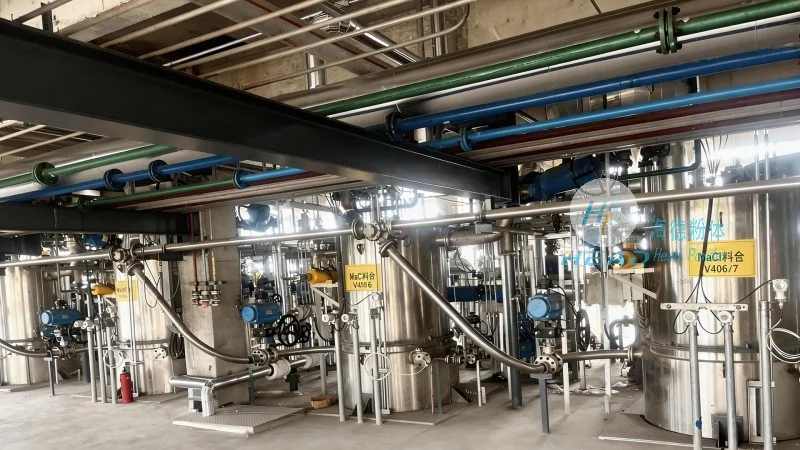
In conclusion, small bag material handling systems are sophisticated solutions that combine advanced technology with efficient design to meet the demands of modern material handling. Their working principle, centered on automated and integrated processes, ensures reliable and high-performance material transport. The key features, including efficiency, flexibility, and durability, make these systems a valuable asset for industries seeking to optimize their material flow. As businesses continue to prioritize operational efficiency and cost-effectiveness, small bag material handling systems remain a critical component of modern logistics and manufacturing operations. For those considering such systems, it is essential to partner with a reputable provider that offers tailored solutions and reliable support. Shandong HeadPowder Engineering Co., Ltd., a leading manufacturer in this field, specializes in providing high-quality small bag material handling systems tailored to meet the specific needs of various industries. With a focus on innovation and customer satisfaction, HeadPowder offers systems that enhance operational efficiency and contribute to long-term success. The company’s commitment to quality and service ensures that clients receive not only advanced technology but also expert support throughout the implementation and operation of their material handling solutions. Based in Shandong, China, HeadPowder Engineering Co., Ltd. leverages its expertise and local resources to deliver reliable and effective small bag material handling systems that meet the highest industry standards. By choosing HeadPowder, businesses can enhance their material handling capabilities and achieve greater success in their respective industries.




