Lysine is a vital amino acid widely utilized in the animal feed and food industries. The efficient handling and transportation of lysine powder are crucial for maintaining product quality and operational efficiency within production lines. Lysine powder conveying equipment, such as those offered by Shandong HeadPowder Engineering Co., Ltd., plays a pivotal role in ensuring smooth material flow from storage to processing units. This equipment is specifically designed to address the unique challenges associated with handling fine powders, including dust control, material uniformity, and system reliability.
Working Principle of Lysine Powder Conveying Equipment
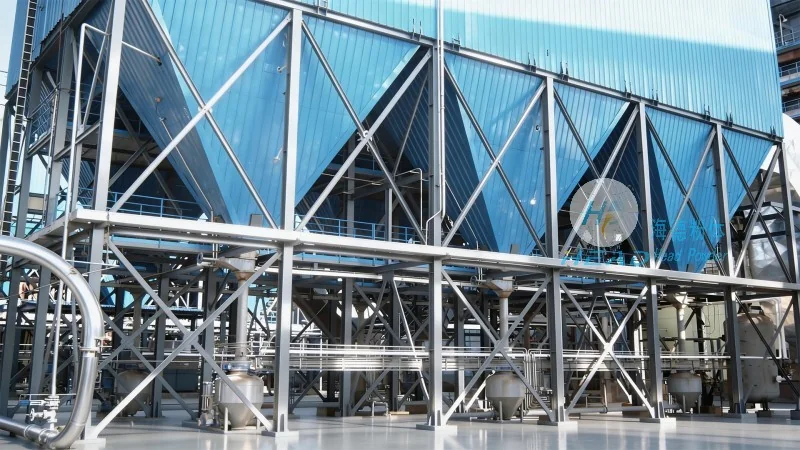
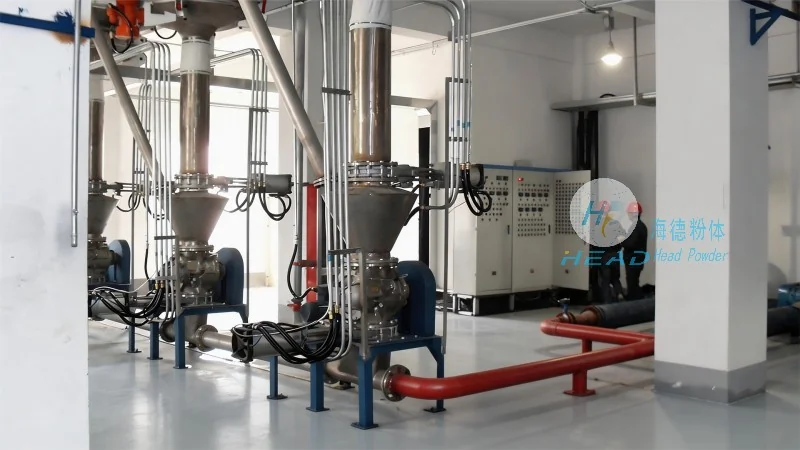
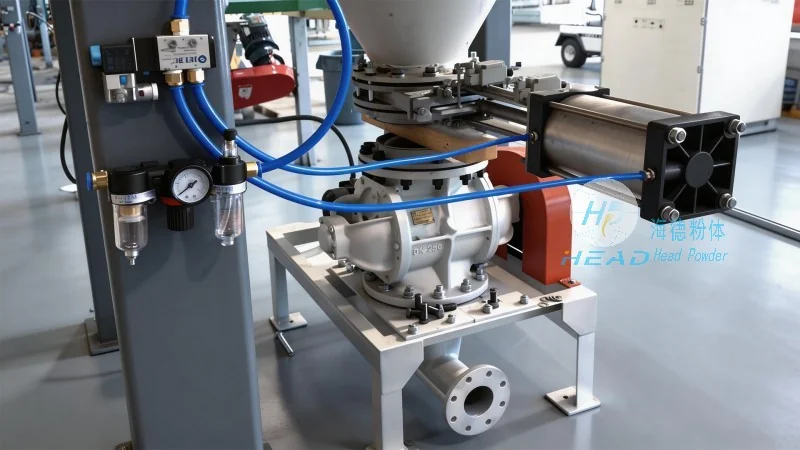
The working principle of lysine powder conveying equipment revolves around the efficient transfer of fine powder from a storage source to a processing or packaging unit. The process typically begins with a bulk storage hopper or silo, where lysine powder is stored under controlled conditions to prevent caking or moisture absorption. From the hopper, the powder is fed into a conveyor system, which may vary in design based on the specific application and material characteristics. Common types of conveying mechanisms include screw conveyors, pneumatic (air) conveyors, and bucket elevators, each with its own advantages and operational principles. For screw conveyors, a rotating helical screw inside a tube pushes the powder forward, leveraging mechanical force to move the material. The speed and pitch of the screw can be adjusted to control the flow rate and pressure drop. Pneumatic conveyors, on the other hand, use compressed air or vacuum to create a flow that transports the powder through a pipeline. Positive pressure systems blow air into the pipeline, while negative pressure systems create a vacuum to draw the powder. The choice between these systems depends on factors such as the distance to be conveyed, the material's density, and the need for dust control. In addition to the conveying mechanism, the system includes essential components like feeders, control valves, flow meters, and dust collection units. Feeders ensure a consistent and controlled feed of powder into the conveyor, preventing surges or blockages. Control valves regulate the air or material flow, allowing precise adjustment of the conveying rate. Flow meters provide real-time monitoring of the material flow rate, enabling operators to maintain optimal performance. Dust collection units, such as cyclones or bag filters, capture any airborne particles, ensuring compliance with environmental regulations and maintaining a safe working environment. The integration of these components into a single system allows for automated and continuous operation, minimizing manual intervention and reducing the risk of human error. This comprehensive approach ensures that lysine powder is conveyed safely, efficiently, and with minimal product loss or degradation.
Key Features of Lysine Powder Conveying Equipment
Shandong HeadPowder Engineering Co., Ltd. offers lysine powder conveying equipment with several distinct features that enhance performance and user experience. One of the primary features is the robust and hygienic construction, which is critical for applications in the food and feed industries. The equipment is typically constructed from stainless steel or other corrosion-resistant materials, ensuring durability and resistance to chemical and environmental factors. The design includes smooth, non-porous surfaces that are easy to clean and sanitize, reducing the risk of bacterial growth and contamination. Another important feature is the advanced dust control system, which is integrated into the entire conveying line. This system includes sealed hoppers, enclosed conveyor tubes, and efficient filtration units that minimize dust emissions and maintain a clean working environment. The use of positive pressure or vacuum systems, depending on the application, further enhances dust control by preventing air leakage and particle escape. The equipment also features user-friendly control panels with digital displays and intuitive interfaces, allowing operators to monitor and adjust the conveying process with ease. These panels typically include indicators for flow rate, pressure, and material level, providing real-time feedback on system performance. Additionally, the system is designed for easy maintenance and service. Modular components and accessible parts simplify repairs and replacements, reducing downtime and maintenance costs. The use of high-quality bearings and seals ensures long-term reliability, minimizing the need for frequent maintenance. These features collectively contribute to higher productivity, lower operational costs, and improved overall system reliability, making the equipment an ideal choice for lysine powder handling applications.




