Polymers like polytetrafluoroethylene (PTFE) are widely used in various industrial applications due to their unique properties, including excellent chemical resistance, low friction, and high temperature stability. Handling PTFE powders efficiently requires specialized equipment designed to address the challenges associated with their processing. This article explores the working principle and key features of PTFE powder handling equipment, highlighting the technology used by Shandong HeadPowder Engineering Co., Ltd. (referred to as HeadPowder) to ensure reliable and effective powder transfer.
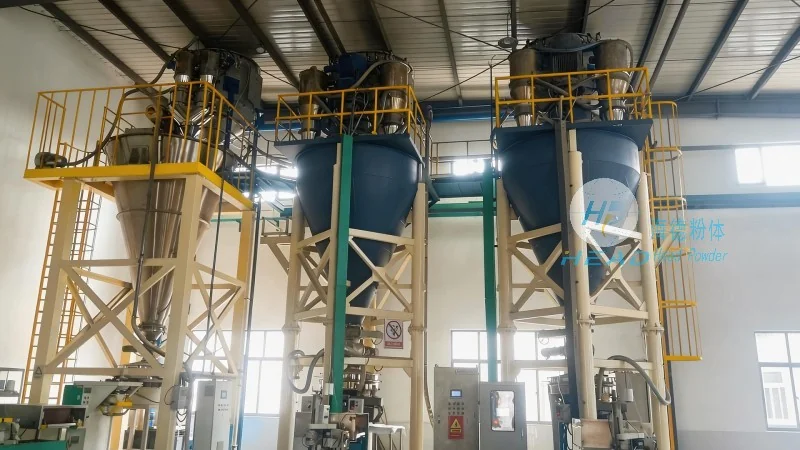
Working Principle of PTFE Powder Handling Equipment
The core of PTFE powder handling equipment lies in its ability to transport fine powders without causing agglomeration or degradation. The process typically involves several stages, starting with the feeding of PTFE powder into a hopper or feeder. From there, the powder is conveyed through a system of pipes or ducts using positive displacement or pneumatic methods. Positive displacement pumps, such as rotary lobe or screw pumps, are commonly used for PTFE powders due to their ability to handle dry, free-flowing materials without the need for compressed air. These pumps create a vacuum or pressure differential to move the powder through the system, ensuring consistent flow rates and preventing clogging. In pneumatic systems, compressed air is used to create a flow of air and powder, which is then directed to the processing equipment. The equipment is designed with smooth surfaces and minimal dead zones to avoid powder buildup and maintain hygiene, which is critical for PTFE applications where contamination can affect product quality.
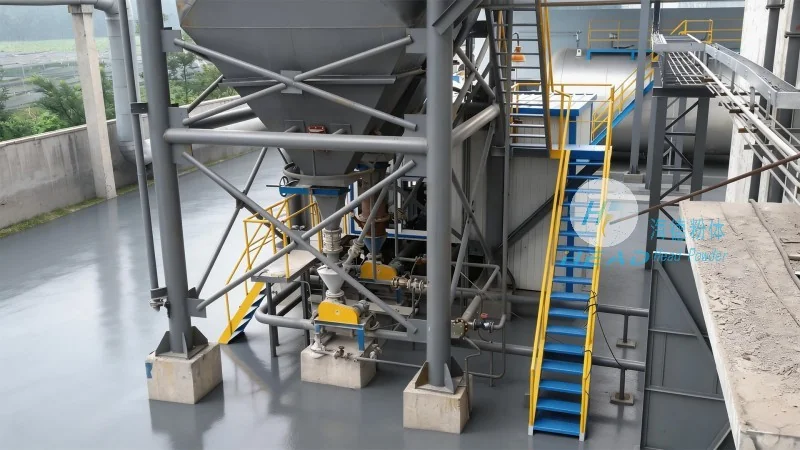
Key Features of PTFE Powder Handling Equipment
HeadPowder's PTFE powder handling equipment is engineered with several distinctive features that enhance performance and reliability. One of the primary features is the use of corrosion-resistant materials, such as stainless steel or PTFE-coated components, to ensure compatibility with PTFE powders and prevent material interaction. The equipment is also designed with adjustable feed rates, allowing operators to control the flow of powder based on processing requirements. This flexibility is crucial for maintaining consistent product quality and preventing overloading of downstream equipment. Additionally, the system incorporates advanced control mechanisms, including sensors and feedback loops, to monitor flow rates and pressure, ensuring optimal operation. The equipment is also equipped with cleaning mechanisms, such as air knives or brush systems, to maintain hygiene and prevent cross-contamination, which is essential for PTFE applications where purity is paramount. Another key feature is the integration of safety measures, such as pressure relief valves and emergency shut-off systems, to protect operators and equipment from potential hazards during operation.
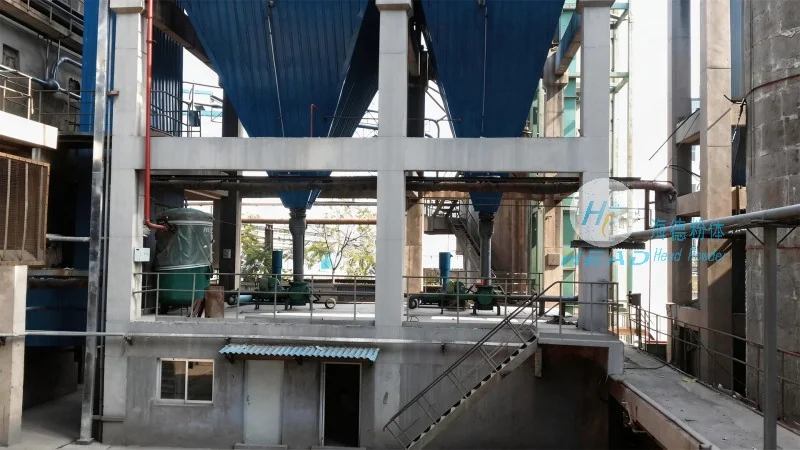
Benefits of Using PTFE Powder Handling Equipment from HeadPowder
Implementing PTFE powder handling equipment from HeadPowder offers several benefits for industrial operations. The equipment's ability to handle PTFE powders efficiently reduces downtime and improves productivity by ensuring a consistent supply of material to processing lines. The corrosion-resistant design and hygienic features minimize the risk of contamination, which is critical for maintaining product integrity and meeting regulatory standards. The adjustable feed rates and control systems allow for precise material handling, enabling manufacturers to achieve consistent product quality and reduce waste. Additionally, the equipment's reliability and durability reduce maintenance costs and extend the lifespan of the system, providing long-term value for industrial users. HeadPowder's expertise in PTFE processing technology ensures that their equipment is tailored to meet the specific needs of various industries, including chemical, pharmaceutical, and aerospace, where PTFE powders are commonly used.




