Cement clinker powder conveying systems are critical components in the cement production and processing industry, designed to efficiently transport high-volume, fine-grained materials like cement clinker from production sites to storage or processing facilities. These systems are engineered to handle the unique challenges associated with cement clinker, including its abrasive nature, high density, and the need for precise control over flow rates and dust containment. As a leading provider in the field, Shandong HeadPowder Engineering Co., Ltd. specializes in developing and manufacturing advanced powder conveying solutions tailored to meet the specific demands of modern cement plants.
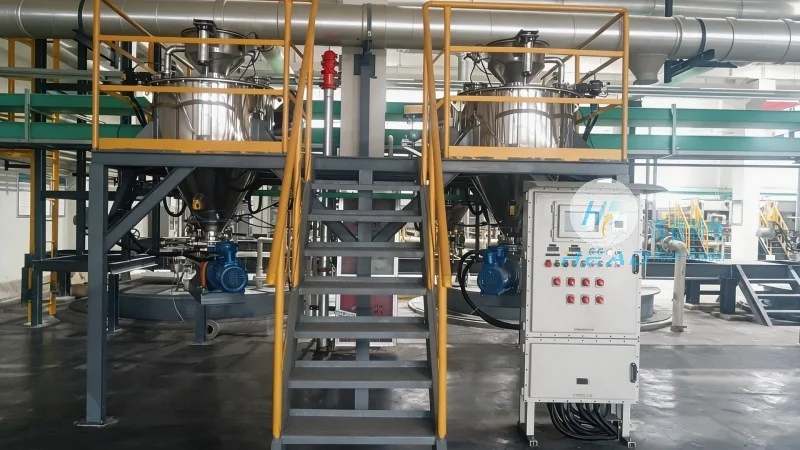
Working Principle of the Cement Clinker Powder Conveying System
The core working principle of a cement clinker powder conveying system involves the use of positive pressure or negative pressure air flow to transport the material through a network of pipes. In positive pressure systems, a fan or blower generates an upward airflow that lifts the clinker particles and propels them through the pipeline. The system typically includes a feeding hopper, a rotary valve or feeder to control the material flow, and a series of ducts connected to the conveying line. The clinker is then discharged at the receiving end, often through a dust collector or silo, to ensure minimal environmental impact. The entire process is automated, with sensors and control panels monitoring pressure, flow rate, and temperature to maintain optimal performance and prevent system failures.
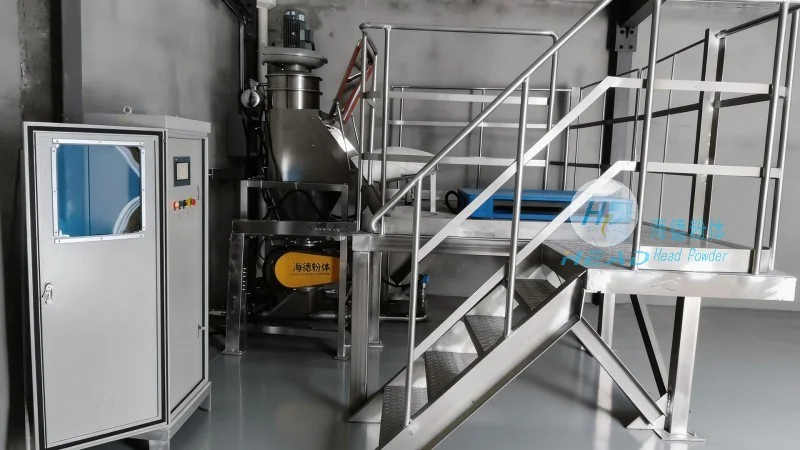
Key Features and Advantages of the System
Shandong HeadPowder Engineering Co., Ltd.'s cement clinker powder conveying systems are distinguished by several key features that enhance operational efficiency and reliability. One of the primary advantages is the system's ability to handle high material loads with minimal pressure drop, which reduces energy consumption and operating costs. The use of high-quality, wear-resistant materials in the construction of the pipes and components ensures long service life, even in harsh industrial environments. Additionally, the systems are designed with dust control measures, such as cyclone separators and bag filters, to comply with environmental regulations and maintain a clean working environment. Another notable feature is the flexibility of the system, which allows for easy integration with existing cement plant infrastructure and can be scaled to accommodate varying production capacities. The automated control system provides real-time monitoring and adjustment capabilities, enabling operators to optimize the conveying process and respond quickly to changes in production demands.
Technical Specifications and Application Scenarios
The technical specifications of cement clinker powder conveying systems vary based on the specific requirements of the application. Typical specifications include conveying capacities ranging from 10 to 200 tons per hour, depending on the diameter of the pipeline and the type of fan used. The system's pressure range is usually between 500 to 2000 Pa, with the ability to handle clinker particle sizes from 0.1 to 5 mm. The materials used in the construction of the conveying components, such as stainless steel or special alloys, are selected to resist corrosion and abrasion caused by the clinker's chemical composition. These systems are widely used in cement production facilities, where they are responsible for transporting clinker from the clinker cooler to the cement mill or storage silos. They are also applicable in other industries that handle fine powders, such as mining and chemical processing, where similar conveying challenges exist.
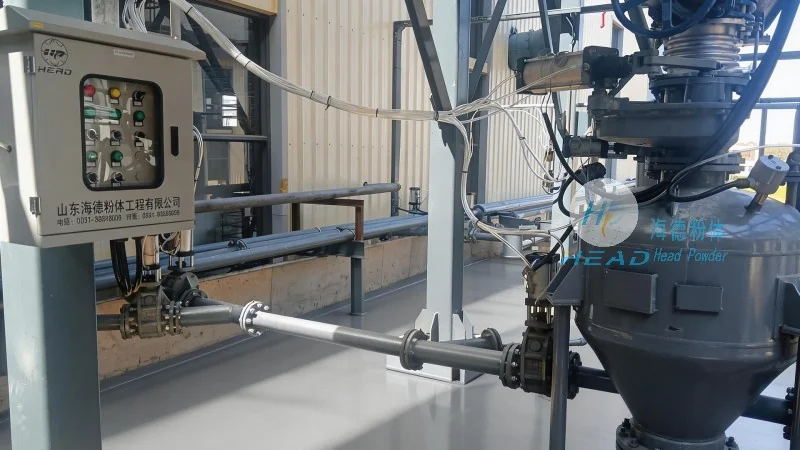
Installation and Maintenance Considerations
Proper installation and regular maintenance are crucial for ensuring the long-term performance and reliability of cement clinker powder conveying systems. During installation, it is essential to ensure that all components are properly aligned and secured to prevent vibrations and leaks. The pipeline should be designed with appropriate slopes to facilitate the flow of material and prevent blockages. Regular maintenance activities include checking the condition of the fan and motor, inspecting the wear parts in the feeder and ducts, and cleaning the dust collection equipment. It is recommended to perform routine inspections every 3 to 6 months, depending on the system's usage, to identify and address any potential issues before they lead to system failures. By adhering to these maintenance practices, users can maximize the system's lifespan and minimize downtime, ensuring consistent and efficient operation.




