

Working Principle and Features of Small Bag Pneumatic Conveying
Small bag pneumatic conveying systems represent an efficient and versatile method for transporting bulk materials over short to medium distances. This technology leverages compressed air to move powders and granules through a pipeline, offering advantages such as low maintenance requirements, minimal product contamination, and the ability to handle diverse material types. The system is particularly well-suited for industries like pharmaceuticals, food processing, and chemical manufacturing, where product purity and hygiene are paramount. By utilizing an enclosed system, small bag pneumatic conveying minimizes dust exposure and cross-contamination, making it ideal for sensitive applications.
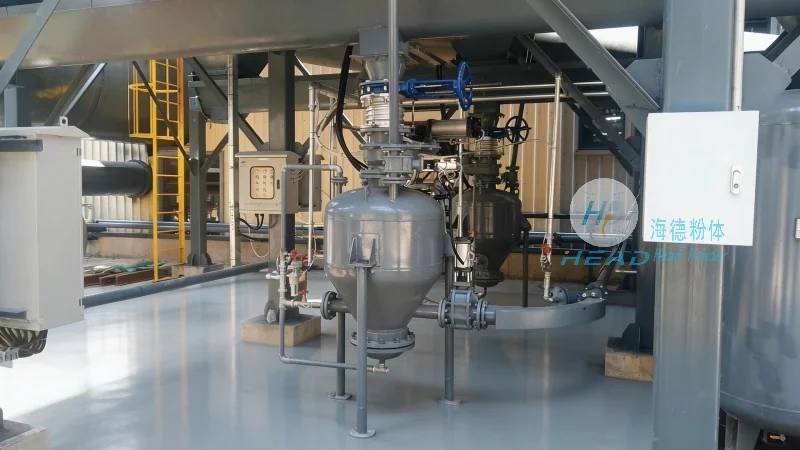
About HeadPowder Engineering Co., Ltd.
HeadPowder, a leading manufacturer in the field of pneumatic conveying equipment, specializes in designing and manufacturing high-quality small bag pneumatic conveying systems. With a strong operational base in Shandong, China, the company has established a reputation for reliability, innovation, and customer-centric solutions. Their products are engineered to meet the stringent requirements of modern industrial applications, ensuring optimal performance and durability. HeadPowder’s commitment to quality and technical expertise positions them as a trusted partner for businesses seeking advanced material handling solutions.
Working Principle of Small Bag Pneumatic Conveying
The core mechanism of a small bag pneumatic conveying system involves the use of a hopper or feeder to introduce the material into a pipeline. Compressed air is then introduced at a specific pressure and flow rate, creating a flow that propels the material forward. The system typically operates in either a dilute-phase or dense-phase mode, depending on the material characteristics and required conveying distance. In dilute-phase systems, the material is suspended in the air stream, while in dense-phase systems, the material is conveyed in a more concentrated form, often with a lower air-to-material ratio. The process begins with the material being fed into the hopper, where it is then drawn into the pipeline by the air flow. The air and material mixture travels through the pipeline, passing through any necessary components like bends, filters, or separators before reaching the discharge point. The system is designed to maintain consistent air pressure and flow to ensure smooth and efficient material transport, with precise control over the conveying process.
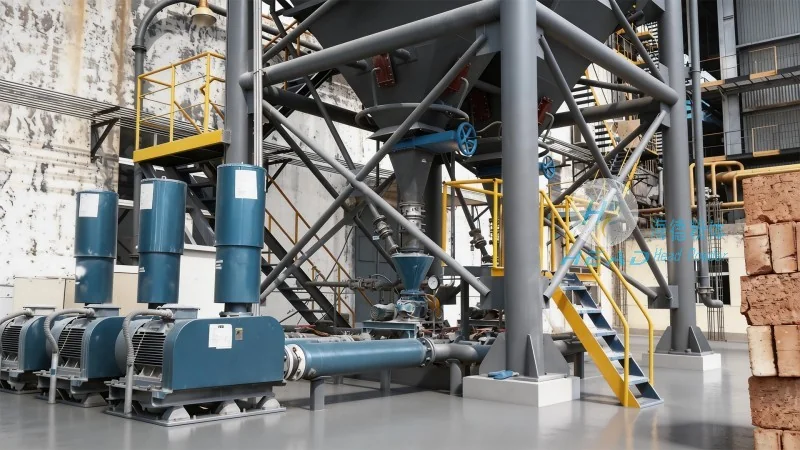
Key Features and Advantages of Small Bag Pneumatic Conveying
Small bag pneumatic conveying systems offer several distinct advantages that make them a preferred choice for many industries. One of the primary benefits is the ability to handle a wide range of materials, including fine powders, granules, and even sticky or abrasive substances. The enclosed system minimizes product contamination and dust exposure, which is crucial in applications where product purity is non-negotiable. Additionally, the system is relatively low in maintenance compared to other conveying methods, as it has fewer moving parts and requires less frequent cleaning. Another advantage is the flexibility in system design, allowing for customization to fit specific operational needs, such as varying conveying distances or material flow rates. The compact design of small bag systems also makes them suitable for installations with limited space, and they can be integrated with existing production lines without significant modifications. Furthermore, the system's ability to operate in both positive and negative pressure modes provides versatility in handling different material types and process requirements.
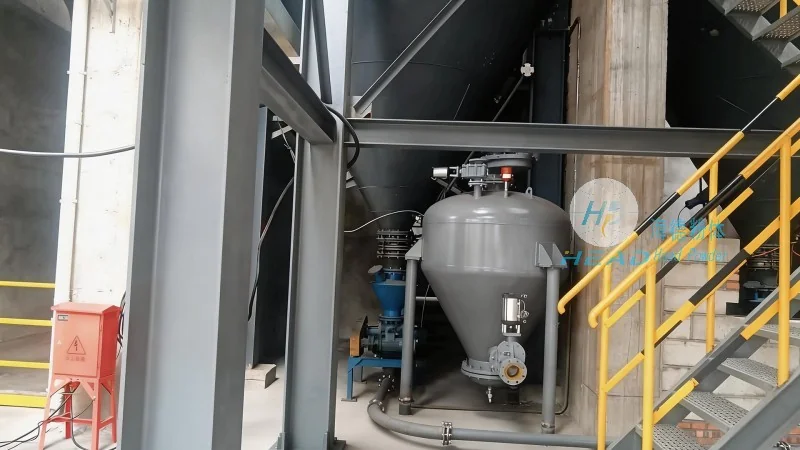
Performance and Efficiency in Small Bag Pneumatic Conveying
The efficiency of a small bag pneumatic conveying system is influenced by several factors, including the air pressure, flow rate, and material properties. Proper system design ensures optimal performance, minimizing energy consumption while maintaining the required conveying capacity. The system's ability to handle varying material loads and flow rates makes it adaptable to fluctuating production demands. HeadPowder's engineering expertise ensures that their systems are optimized for maximum efficiency, with features like adjustable air valves and pressure regulators that allow for precise control over the conveying process. This results in consistent material transport, reduced downtime, and lower operational costs for the end-user. The reliability of the system is further enhanced by the use of high-quality components, such as durable hoses, robust valves, and efficient air compressors, all designed to withstand the demands of continuous operation.
Conclusion and Company Commitment
Small bag pneumatic conveying systems represent a sophisticated and effective solution for bulk material handling, offering a combination of efficiency, flexibility, and reliability. HeadPowder Engineering Co., Ltd., with its headquarters in Shandong, China, continues to lead the industry with innovative designs and superior manufacturing standards. By focusing on customer needs and leveraging advanced engineering, HeadPowder ensures that their small bag pneumatic conveying systems meet the highest industry standards, providing long-term value and performance for their clients. Whether for new installations or system upgrades, HeadPowder's solutions are tailored to enhance operational efficiency and product quality in various industrial applications. The company's dedication to quality and customer satisfaction underscores its role as a trusted provider of pneumatic conveying technology in the global market.