

What is a Pneumatic Conveyor for Vinegar Powder Material? And Its Design Principles
When it comes to handling fine powders like vinegar powder in industrial settings, efficient and reliable material transport is crucial. This is where a pneumatic conveyor for vinegar powder material comes into play, offering a solution that combines performance with durability. In this article, we explore what a pneumatic conveyor for vinegar powder material is and delve into its design principles, highlighting the technology behind this essential equipment.
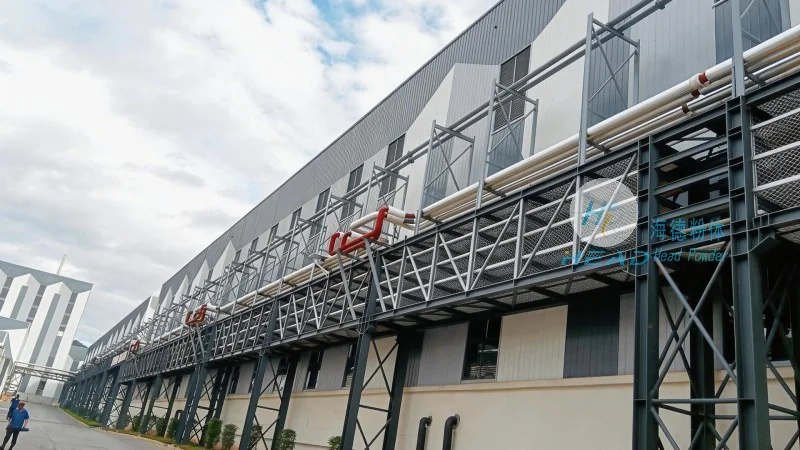
Pneumatic Conveying Technology for Vinegar Powder
A pneumatic conveyor for vinegar powder material is a system designed to transport dry, fine powders such as vinegar powder through a pipeline using air or gas as the conveying medium. Unlike traditional mechanical conveyors, this system relies on the force of air to move the material, making it ideal for handling materials that are light, dusty, or prone to caking. The primary components of such a system typically include a hopper for material storage, a blower or compressor to generate the air flow, a pipeline network, and a discharge mechanism. The entire setup is engineered to ensure that the vinegar powder is transported smoothly and without degradation, maintaining its quality throughout the process.
Key Design Principles of Vinegar Powder Pneumatic Conveyors
The design of a pneumatic conveyor for vinegar powder material is based on several critical principles that ensure optimal performance and efficiency. First, the system must be capable of handling the specific characteristics of vinegar powder, which may include its fine particle size, hygroscopic nature, and potential for static charge. Engineers must consider factors such as the material's bulk density, flowability, and tendency to agglomerate when designing the conveyor. The selection of appropriate air velocity and pressure is paramount; too low a velocity may cause material settling or blockages, while too high a velocity can lead to excessive energy consumption and equipment wear. Additionally, the design must incorporate features to prevent material degradation, such as minimizing exposure to air and controlling temperature. The pipeline layout is also a key design consideration, as it affects the overall efficiency and reliability of the system. Properly sized and routed pipelines, along with appropriate bends and fittings, are essential to maintain consistent air flow and prevent pressure drops that could impede material transport.
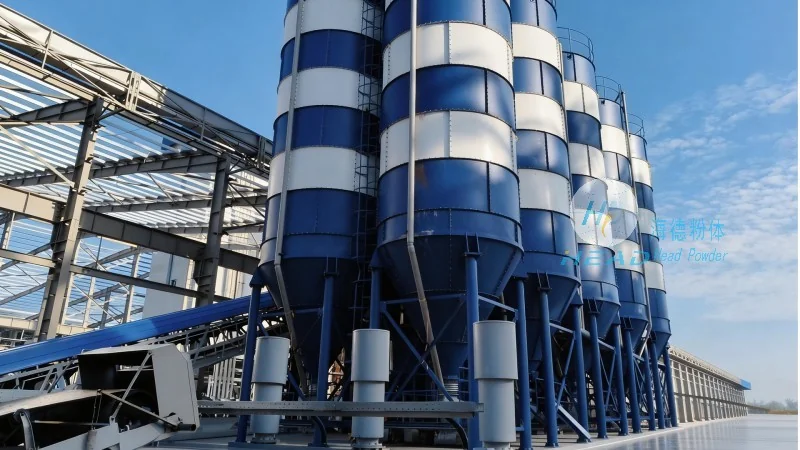
Components and Their Functions in a Vinegar Powder Pneumatic Conveyor
Each component of a pneumatic conveyor for vinegar powder material plays a vital role in the overall operation. The hopper serves as the initial storage and feeding unit, ensuring a steady supply of vinegar powder to the system. It is typically equipped with a feeder, such as a rotary valve or a screw feeder, to control the flow rate of the material into the pipeline. The blower or compressor generates the necessary air pressure and flow, creating the force that moves the powder through the system. The pipeline network connects the hopper to the discharge point, with the diameter and length of the pipes carefully selected to maintain optimal air velocity. The discharge mechanism, often a cyclone separator or a filter, separates the conveyed powder from the air stream, allowing the powder to be collected in a container while the air is either recycled or vented. The design of each component must be tailored to the specific properties of vinegar powder to ensure that the system operates efficiently and without issues.
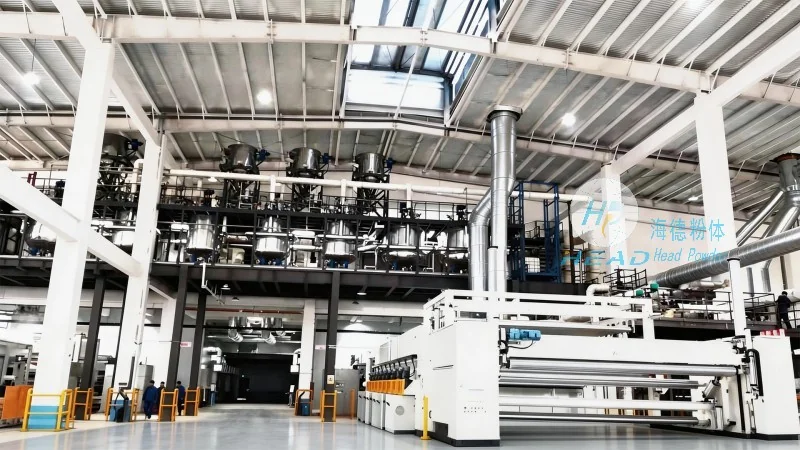
Advantages of Using a Pneumatic Conveyor for Vinegar Powder
Implementing a pneumatic conveyor for vinegar powder material offers several advantages over traditional conveying methods. One of the most significant benefits is the ability to handle fine powders without the need for mechanical contact, which reduces the risk of contamination and material degradation. The system is also highly flexible, allowing for changes in the layout or capacity without major modifications. Additionally, pneumatic conveyors can transport materials over long distances and through multiple points of discharge, making them suitable for complex production lines. The energy efficiency of modern pneumatic systems is another key advantage, as they can operate with lower power consumption compared to some mechanical alternatives. Finally, the system is relatively easy to maintain, with components that are accessible and replaceable, reducing downtime and operational costs.
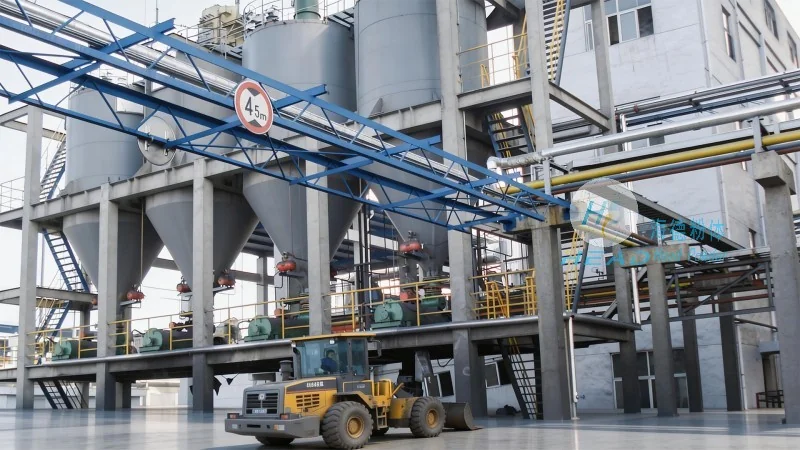
Applications of Vinegar Powder Pneumatic Conveyors
Vinegar powder pneumatic conveyors are widely used in various industries where fine powders are processed. In the food and beverage industry, they are commonly employed in vinegar production facilities to transport the powder from storage to processing units. The pharmaceutical industry also utilizes these systems for handling powders that require strict contamination control. Additionally, in the chemical and agricultural sectors, pneumatic conveyors are used to transport materials such as spices, chemicals, and fertilizers. The versatility of the system makes it suitable for a wide range of applications, where efficient and reliable material transport is essential.
Conclusion: The Importance of Proper Design and Implementation
In conclusion, a pneumatic conveyor for vinegar powder material is a sophisticated piece of equipment that plays a critical role in industrial material handling. Its design principles are tailored to the specific characteristics of vinegar powder, ensuring efficient and safe transport. By understanding the key components and design considerations, industries can select and implement the most suitable pneumatic conveyor system for their needs. The technology behind these systems continues to evolve, with advancements in materials and control systems enhancing performance and reliability. For businesses dealing with vinegar powder, investing in a well-designed pneumatic conveyor is a strategic decision that can improve operational efficiency, reduce costs, and maintain product quality.