

What is a Dusty Ash Material Pneumatic Conveying Machine? And What Are Its Design Principles?
For industrial applications that involve handling dusty ash materials, the selection of an appropriate conveying system is crucial for efficiency, safety, and operational reliability. A key piece of equipment in this context is the dusty ash material pneumatic conveying machine. This article explores what this machine is and delves into its fundamental design principles, providing insights into its functionality and importance in modern industrial processes.
Understanding the Dusty Ash Material Pneumatic Conveying Machine
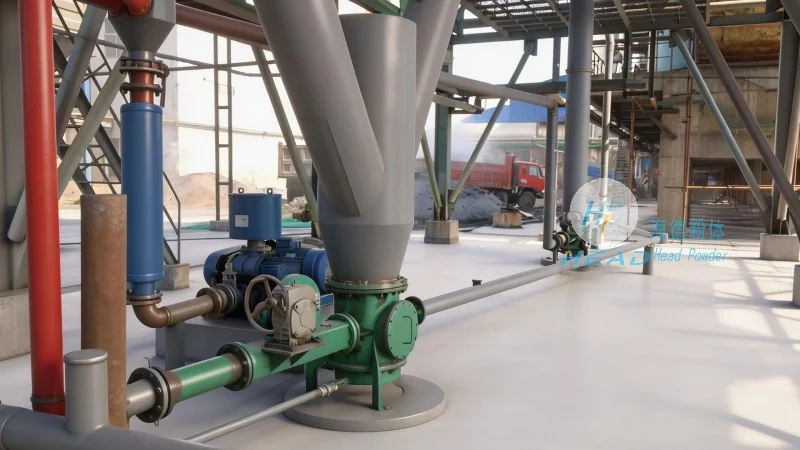
The dusty ash material pneumatic conveying machine is a specialized device designed to transport fine, powdery materials such as dusty ash from one location to another within an industrial facility. Unlike traditional mechanical conveyors, which rely on physical contact and friction to move materials, this machine utilizes compressed air or gas to create a flow that carries the material through a pipeline. The primary purpose of this equipment is to handle materials that are difficult to transport using conventional methods, such as those with high moisture content, abrasive properties, or those that are prone to caking or clumping.
Key Components and Working Principle
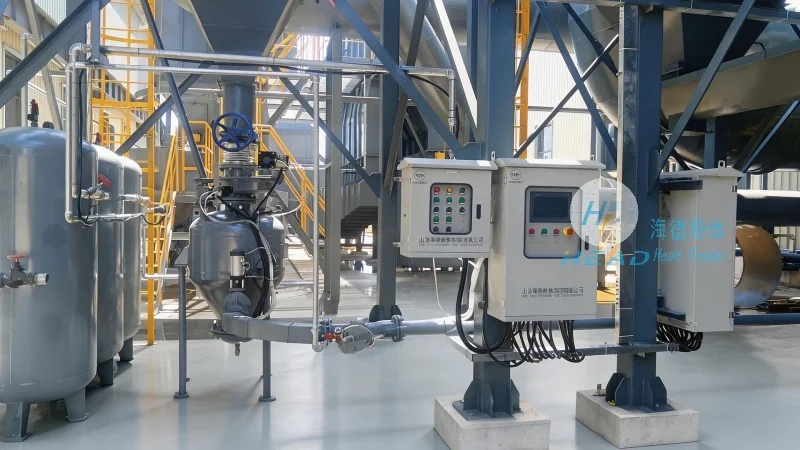
At the core of a dusty ash material pneumatic conveying machine are several critical components that work in tandem to achieve efficient material transport. The main components typically include a material feed hopper, a compressor or air source, a conveying pipeline, a control system, and a discharge unit. The process begins when dusty ash is fed into the hopper. The compressor then generates a high-pressure air stream, which is introduced into the pipeline. As the air flows through the pipeline, it creates a low-pressure zone that draws the material from the hopper into the air stream. The mixture of air and material is then transported through the pipeline to the discharge point, where the material is separated from the air and collected.
Design Principles for Efficient Operation
The design of a dusty ash material pneumatic conveying machine is guided by several key principles aimed at maximizing efficiency, minimizing energy consumption, and ensuring safe operation. One of the most important principles is the selection of appropriate air velocity and pressure. The air velocity must be high enough to maintain the material in suspension within the pipeline but not so high as to cause excessive wear on the equipment or excessive energy consumption. The pressure level is also critical, as it directly impacts the conveying distance and the capacity of the system. Engineers typically use empirical formulas and computational fluid dynamics (CFD) simulations to determine the optimal air velocity and pressure for a given application.
Material Handling Capabilities and Considerations
Dusty ash materials often present unique challenges due to their physical properties. For instance, these materials may have varying particle sizes, moisture content, and density, which can affect the conveying process. The design of the pneumatic conveying machine must account for these variations to ensure consistent performance. The material feed hopper is often equipped with a agitator or vibration system to prevent material bridging or clogging, which can disrupt the flow. Additionally, the pipeline design, including the use of bends, elbows, and expansion joints, is carefully considered to minimize pressure losses and maintain the material's suspension. The discharge unit is also designed to handle the material efficiently, often incorporating a cyclone separator or a filter to separate the material from the air before it is collected.
Applications and Industry Use Cases
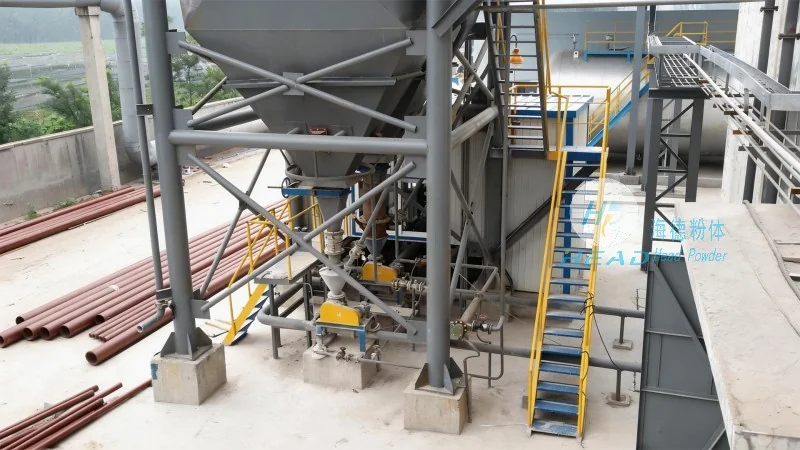
The dusty ash material pneumatic conveying machine is widely used in various industrial sectors where dusty ash is a byproduct or a raw material. In the power generation industry, for example, these machines are used to transport fly ash from boilers to storage silos or to other processing facilities. In the cement and construction industries, they help in handling ash from industrial processes and integrating it into concrete or other building materials. The versatility of this equipment makes it suitable for a range of applications, from small-scale operations to large-scale industrial plants.
Advantages of Using Pneumatic Conveying for Dusty Ash
Compared to traditional conveying methods, the dusty ash material pneumatic conveying machine offers several advantages. One of the most significant benefits is the ability to transport materials over long distances without the need for multiple transfer points or intermediate storage. This reduces the overall footprint of the facility and improves operational efficiency. Additionally, pneumatic conveying systems are generally more hygienic and cleaner than mechanical systems, as they do not involve physical contact with the material, minimizing the risk of contamination. The equipment is also relatively compact and can be easily integrated into existing industrial layouts. Furthermore, the system can be easily controlled and monitored, allowing for real-time adjustments to maintain optimal performance.
Maintenance and Operational Considerations
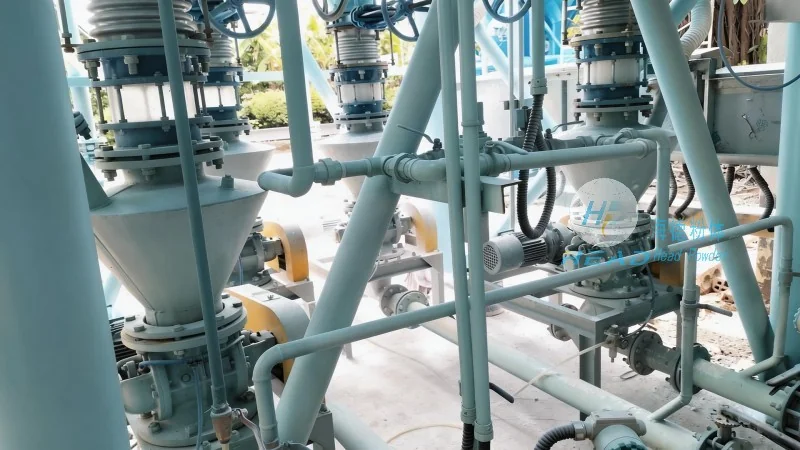
To ensure the longevity and reliability of a dusty ash material pneumatic conveying machine, proper maintenance is essential. Regular inspections of the compressor, pipeline, and control system are necessary to identify and address any potential issues before they become major problems. The air filter and compressor oil must be changed according to the manufacturer's recommendations to maintain air quality and prevent contamination. The material feed hopper and discharge unit should be cleaned regularly to prevent material buildup and clogging. Additionally, the system should be checked for any signs of wear and tear, such as leaks or corrosion, which can affect performance and safety. Proper training of operators on the operation and maintenance of the equipment is also crucial for optimal performance and safety.
Conclusion
In conclusion, the dusty ash material pneumatic conveying machine is a vital piece of equipment for industries dealing with fine, dusty ash materials. Its design, based on principles of fluid dynamics and material handling, allows for efficient and safe transport of these materials over various distances. The equipment, manufactured by companies like Shandong HeadPowder Engineering Co., Ltd. located in Shandong, China, combines advanced technology with robust construction to meet the demands of modern industrial applications. By understanding its components, working principles, and design considerations, industries can make informed decisions about implementing this technology to enhance their operational efficiency and productivity.