

What is a Magnesium Powder Material Pneumatic Conveying Machine? What Are Its Design Principles?
Magnesium powder material pneumatic conveying machines are specialized equipment designed for the efficient and safe transportation of magnesium powder and similar fine powders. As a key component in industrial processing, these machines play a crucial role in ensuring smooth material handling operations. The design and functionality of such equipment are tailored to meet the unique challenges associated with handling magnesium powder, which is known for its reactivity and potential for dust explosions if not managed properly.
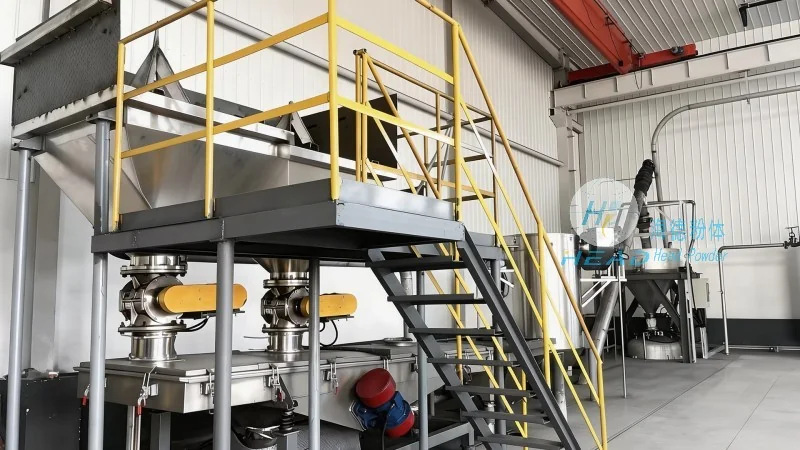
Understanding the Core Function of Pneumatic Conveying Systems
The primary function of a magnesium powder material pneumatic conveying machine is to transport bulk materials through a pipeline using a pressurized air or gas stream. Unlike traditional mechanical conveyors, pneumatic systems utilize air pressure to move the material, offering advantages such as flexibility in layout, reduced risk of material contamination, and the ability to handle materials that are difficult to convey mechanically. For magnesium powder, which is often used in applications like metallurgy, aerospace, and chemical manufacturing, the pneumatic conveying method provides a reliable solution that minimizes the risk of dust accumulation and ensures consistent material flow.
Key Design Principles Behind Magnesium Powder Pneumatic Conveying Machines
The design of magnesium powder material pneumatic conveying machines is guided by several critical principles to ensure optimal performance and safety. First, the system must be constructed from materials that are compatible with magnesium powder and resistant to corrosion, as magnesium is chemically active and can react with certain metals. Common materials used in the construction include stainless steel, which provides durability and resistance to oxidation. Second, the machine incorporates features to prevent dust explosions, such as explosion-proof designs and the use of inert gases in some applications. Third, the design focuses on maintaining a consistent air flow and pressure to achieve uniform material transport, which is essential for preventing blockages and ensuring the longevity of the equipment.
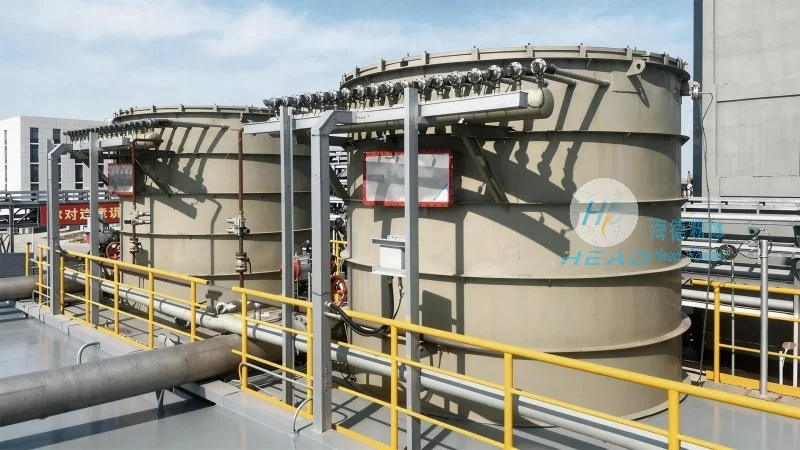
Components and Working Mechanism of the Conveying System
A typical magnesium powder material pneumatic conveying machine consists of several key components that work in tandem to achieve efficient material transport. The main components include a hopper for material storage, a feeder to control the flow of powder into the system, a conveying line (usually made of stainless steel or other corrosion-resistant materials), and a receiver or discharge unit where the material is deposited. The working mechanism involves the feeder releasing magnesium powder into the conveying line, where it is entrained by a high-pressure air stream generated by a blower or compressor. The air and powder mixture travels through the pipeline to the receiver, where the air is separated from the powder and the powder is collected. The air is then filtered and recycled back into the system to maintain efficiency.
Advantages of Using Pneumatic Conveying for Magnesium Powder
Employing pneumatic conveying for magnesium powder offers several advantages over traditional methods. One of the most significant benefits is the reduction in labor costs, as the system automates the material handling process, eliminating the need for manual loading and unloading. Additionally, pneumatic systems provide better control over material flow, ensuring consistent product quality and reducing the risk of contamination. The equipment also minimizes the environmental impact by containing dust and preventing it from entering the workplace, which is crucial for maintaining a safe working environment. Furthermore, the flexibility of pneumatic conveying allows for easy integration into existing production lines, making it a cost-effective solution for upgrading or expanding material handling capabilities.
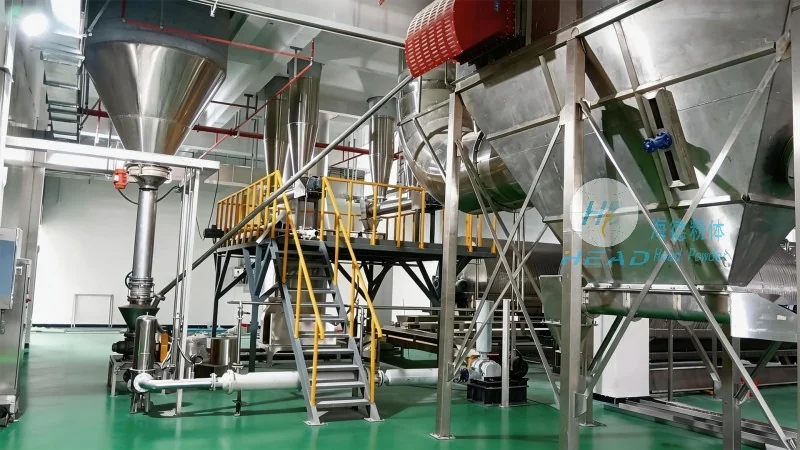
Applications and Industries Utilizing Magnesium Powder Pneumatic Conveying Machines
Magnesium powder material pneumatic conveying machines are widely used in various industries that rely on magnesium powder as a raw material. In the metallurgical industry, these machines are used in the production of magnesium alloys, where the consistent supply of high-quality magnesium powder is essential for achieving desired alloy properties. The aerospace industry also utilizes pneumatic conveying systems for processing magnesium components, as the material's lightweight and high strength make it ideal for aircraft parts. In the chemical manufacturing sector, magnesium powder is used in the production of magnesium compounds, and pneumatic conveying ensures the safe and efficient transport of these materials. Other applications include the production of magnesium-based batteries and the manufacturing of magnesium-based products for automotive and construction industries.
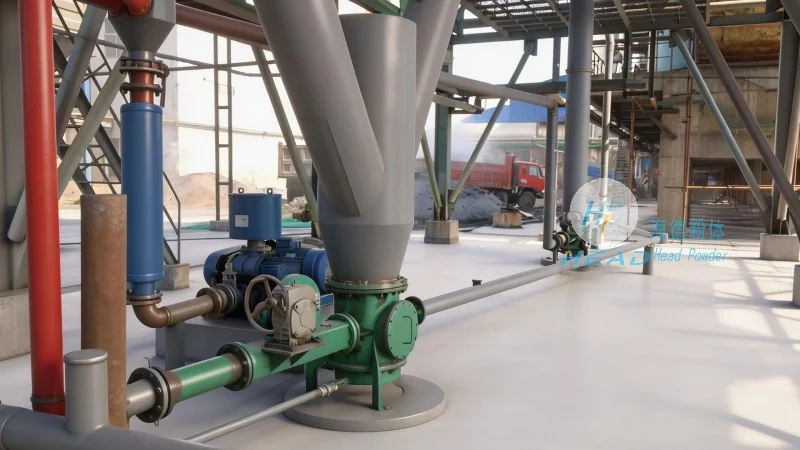
Ensuring Safety and Compliance in Magnesium Powder Handling
Handling magnesium powder requires strict adherence to safety protocols due to the material's reactivity and potential fire hazards. Magnesium powder is a combustible material and can ignite when exposed to heat or sparks. Therefore, pneumatic conveying systems are designed with safety features such as explosion-proof components, flame arrestors, and the use of inert gases to prevent ignition. The equipment is also equipped with dust collection systems to capture any airborne particles and prevent dust explosions. Compliance with industry standards, such as those set by the National Fire Protection Association (NFPA) and the Occupational Safety and Health Administration (OSHA), is essential to ensure the safe operation of the system. Regular maintenance and inspections are also necessary to identify and address any potential safety issues before they become a problem.
Customization and Scalability of Magnesium Powder Pneumatic Conveying Systems
Manufacturers of magnesium powder material pneumatic conveying machines, such as Shandong HeadPowder Engineering Co., Ltd., offer customized solutions to meet the specific needs of different industries. The systems can be scaled to handle varying capacities, from small-scale laboratory applications to large industrial production lines. Customization options include the size of the hopper, the length and diameter of the conveying line, and the type of feeder and receiver units. Additionally, the systems can be equipped with advanced control systems that allow for real-time monitoring of the material flow and air pressure, enabling operators to adjust the system parameters as needed. This flexibility ensures that the equipment can be adapted to different production environments and material characteristics, providing optimal performance and efficiency.