

What is Mobile Material Pneumatic Conveying? What Are Its Design Principles?
Mobile material pneumatic conveying systems are advanced industrial solutions designed to transport bulk materials efficiently and safely over long distances or within complex operational environments. These systems utilize compressed air or other gases to move powders, granules, and other particulate materials from one location to another, offering a flexible and reliable alternative to traditional mechanical conveying methods. The technology has become increasingly popular in various industries, including pharmaceuticals, food processing, chemicals, and mining, due to its ability to handle sensitive materials without contamination and its adaptability to diverse operational needs.
Understanding the Core Concepts of Mobile Pneumatic Conveying
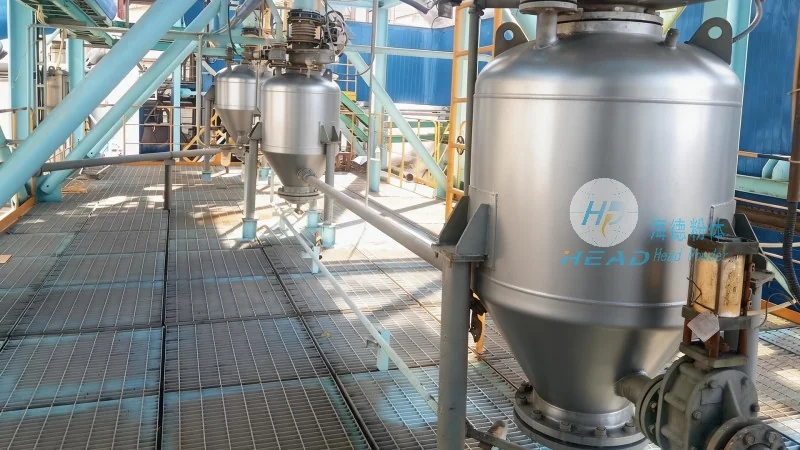
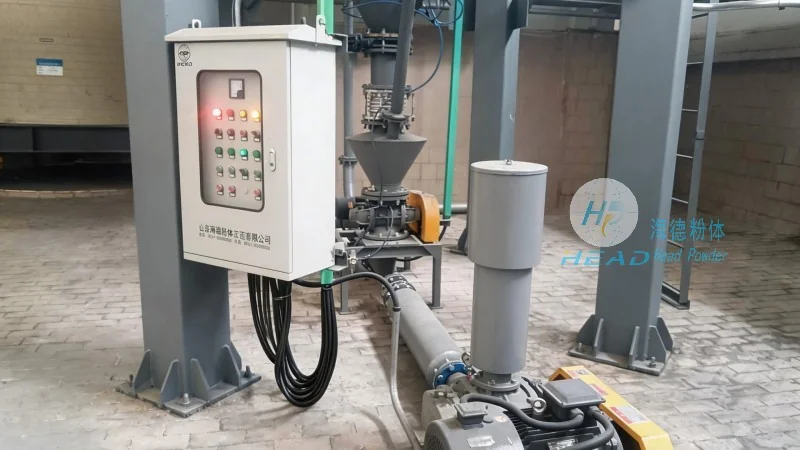
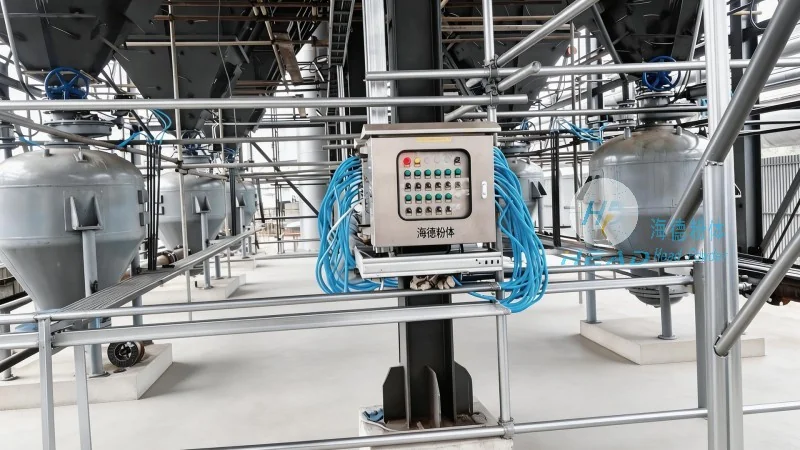
At its essence, mobile material pneumatic conveying operates by creating a pressure differential between the conveying line and the ambient environment. This is typically achieved through the use of a positive pressure system, where air is forced into the system to push the material along the pipeline. The design incorporates key components such as a material hopper, a rotary airlock valve, a conveying line, and a receiver or discharge point. Each component plays a critical role in ensuring the smooth and controlled movement of the material. The material hopper serves as the storage and feeding unit, while the rotary airlock valve regulates the flow of material into the conveying line, preventing backflow and maintaining system pressure. The conveying line, often made of stainless steel or other corrosion-resistant materials, transports the material under pressure, and the receiver or discharge point collects the material at the destination. The system's design must consider factors like material properties, particle size, and the required conveying distance to optimize performance and efficiency.