For businesses dealing with shredded paper waste, efficient and reliable powder conveying systems are essential for maintaining operational efficiency and ensuring compliance with waste management regulations. A shredded paper powder conveying line is a specialized system designed to transport fine shredded paper particles from one location to another within a facility. This article explores the fundamental design principles behind such systems, highlighting key components and operational considerations, with a focus on the solutions provided by Shandong HeadPowder Engineering Co., Ltd.
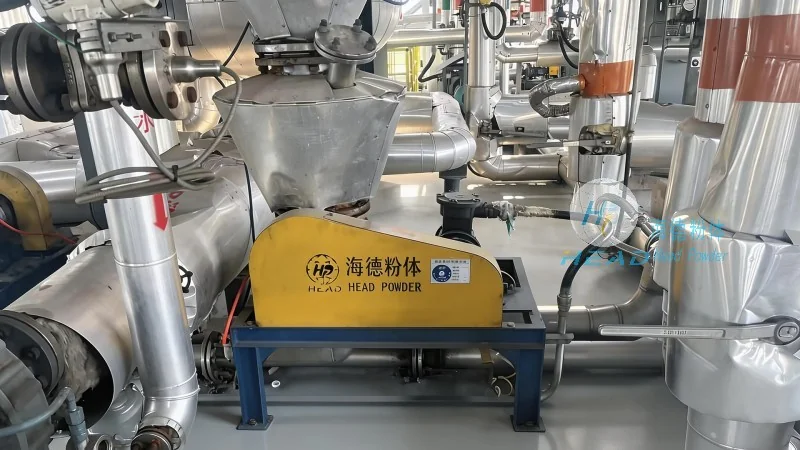
Key Components of a Shredded Paper Powder Conveying System
The core of any shredded paper powder conveying line consists of several critical components that work in tandem to ensure smooth and consistent material transport. The primary elements include a hopper or feed bin for storing the shredded paper, a conveyor mechanism (such as a screw conveyor, pneumatic conveyor, or belt conveyor), and a control system to regulate the flow and speed of the material. Each component plays a vital role in the overall functionality of the system, and their proper integration is crucial for the efficiency of the conveying line.
Design Principles for Efficient Material Transport
Efficient design of a shredded paper powder conveying line focuses on several key principles to minimize downtime, reduce maintenance costs, and maximize throughput. One of the most important principles is ensuring proper material handling to prevent clogging or blockages, which are common issues with fine powders. This involves selecting appropriate conveyor types and ensuring adequate air flow or mechanical movement to keep the material moving smoothly. Additionally, the system must be designed to handle varying particle sizes and moisture content, as shredded paper can vary in consistency depending on the source and processing method. Properly designed hoppers with sloped sides and low friction surfaces help in preventing material buildup and ensuring a consistent feed rate to the conveyor.
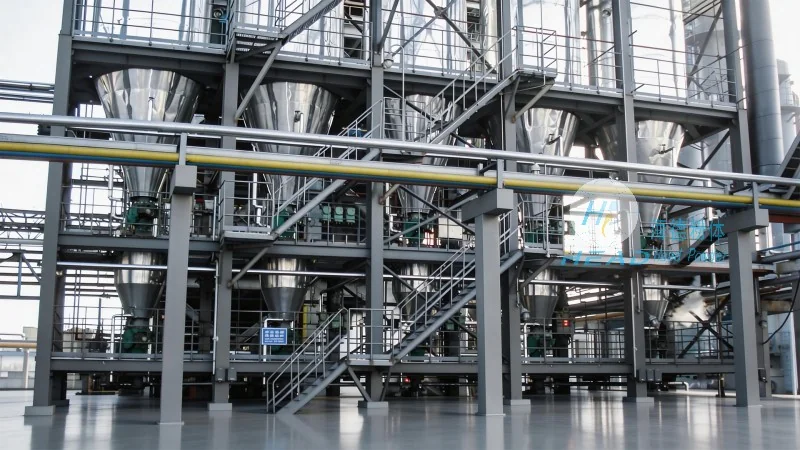
Control Systems and Automation in Conveying Lines
Modern shredded paper powder conveying lines often incorporate advanced control systems and automation to enhance operational efficiency and reduce human intervention. These systems typically include sensors to monitor material levels, pressure, and flow rates, as well as programmable logic controllers (PLCs) that adjust conveyor speeds and other parameters based on real-time data. Automation not only improves the consistency of material transport but also helps in detecting and addressing issues such as blockages or equipment malfunctions promptly. This reduces the risk of system failures and minimizes the need for manual adjustments, leading to higher productivity and lower operational costs. The control system may also include alarms and notifications to alert operators of any deviations from normal operating conditions, ensuring timely intervention.
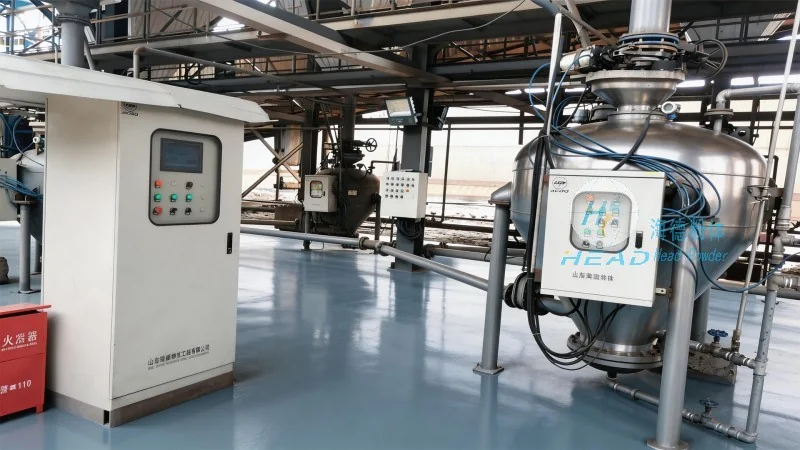
Material Handling Considerations for Shredded Paper
Shredded paper, being a fine powder, presents unique challenges in material handling compared to other bulk materials. Its lightweight and fine nature can lead to issues like dust accumulation, which may affect air quality and equipment performance. Therefore, design considerations must include dust control measures, such as filtration systems or enclosed conveyor structures, to ensure a safe and clean working environment. Additionally, the system must be designed to handle variations in material density and flowability, as shredded paper can become compacted or clumped under certain conditions. Properly designed hoppers and feed mechanisms help in breaking up clumps and ensuring a consistent feed rate to the conveyor. Some systems may also include vibration devices or air knives to prevent material bridging and ensure smooth flow.
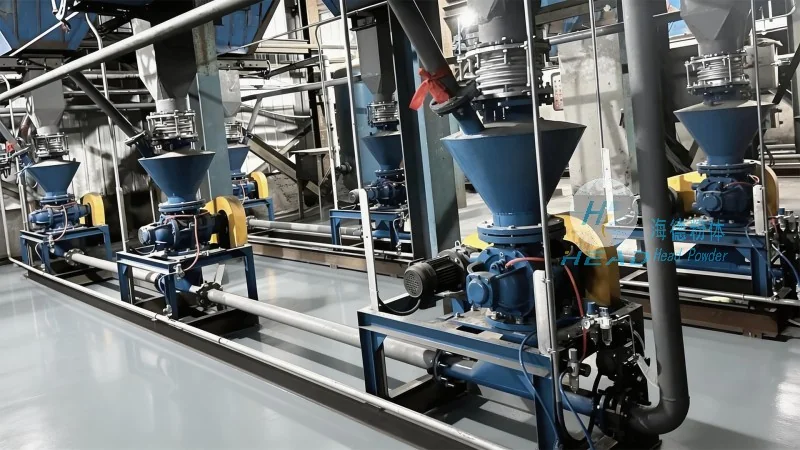
Applications and Industries Using Shredded Paper Conveying Lines
Shredded paper powder conveying lines are widely used in various industries that generate large volumes of shredded paper waste, such as document destruction services, recycling facilities, and industrial shredding operations. In document destruction services, these systems are crucial for transporting shredded documents from the shredding machines to storage or disposal areas. In recycling facilities, they help in moving shredded paper to processing units for further recycling or repurposing, such as baling or pulping. The efficiency of the conveying line directly impacts the overall productivity of these operations, making it a critical component of the waste management process. For example, in a document destruction facility, a well-designed conveying line can reduce the time required to move shredded documents from the shredding area to the storage bin, thereby increasing the number of documents processed per hour.
Maintenance and Operational Best Practices
To ensure the longevity and optimal performance of a shredded paper powder conveying line, regular maintenance and adherence to best practices are essential. This includes routine cleaning of hoppers and conveyor components to prevent buildup of shredded paper and dust, which can lead to clogs and reduced efficiency. Additionally, checking for wear and tear on conveyor belts or screw mechanisms and replacing worn parts promptly can prevent major breakdowns. Proper training of operators on how to monitor the system and respond to common issues, such as blockages or sensor malfunctions, is also crucial for maintaining smooth operations. By following these maintenance and operational guidelines, businesses can maximize the lifespan of their conveying systems and minimize downtime. Regular inspections of the control system and sensors are also recommended to ensure they are functioning correctly and providing accurate data for system adjustments.




