Soybean grain material handling equipment plays a crucial role in the agricultural and food processing industries. These specialized systems are designed to efficiently transport, store, and manage soybean grains from the field to processing facilities. The primary goal of such equipment is to ensure optimal handling conditions, minimize grain damage, and enhance overall operational efficiency. Understanding the design principles behind these systems is essential for selecting the right equipment for specific applications.
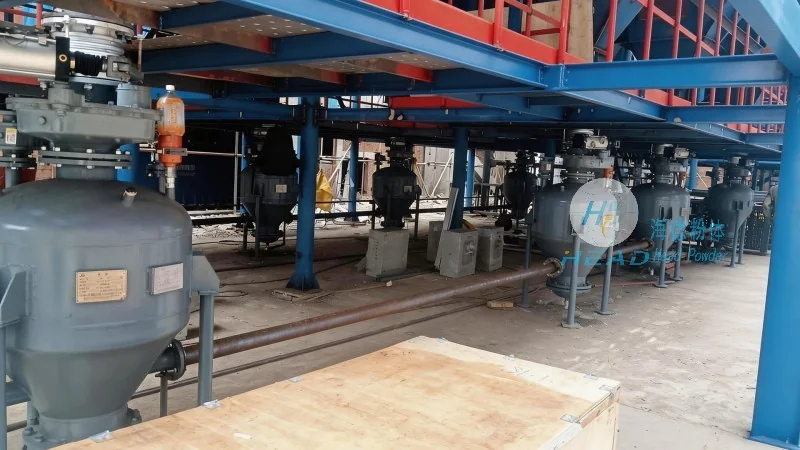
Company Introduction: Shandong HeadPowder Engineering Co., Ltd.
HeadPowder, a leading manufacturer based in Shandong, China, specializes in the design and production of advanced material handling solutions. With years of experience in the industry, the company has established itself as a trusted provider of high-quality soybean grain handling equipment. HeadPowder's commitment to innovation and customer satisfaction has enabled it to meet the diverse needs of agricultural and food processing businesses worldwide.
Key Design Principles for Soybean Grain Handling Equipment
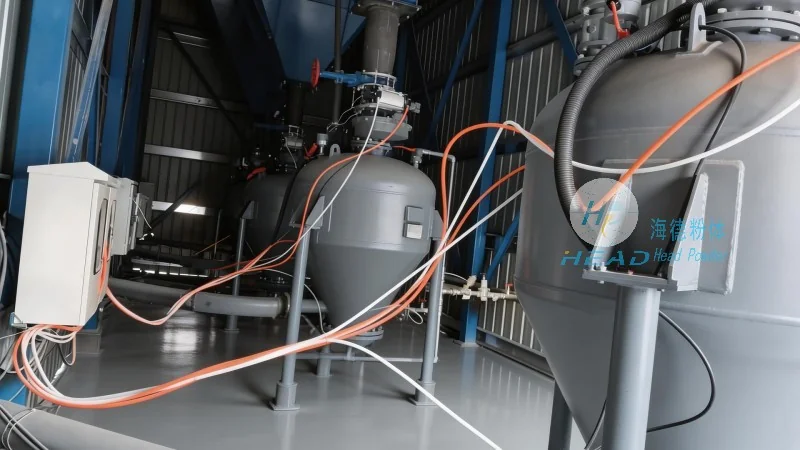
The design of soybean grain material handling equipment is guided by several critical principles to ensure functionality, durability, and efficiency. First, the equipment must be constructed from materials that are resistant to corrosion and wear, as soybean grains can be abrasive and may contain moisture. Stainless steel and high-grade alloys are commonly used for components like hoppers, chutes, and conveyors to withstand the harsh conditions of grain handling. Second, the system should incorporate features that minimize grain breakage and damage. This includes gentle feeding mechanisms, smooth surfaces, and appropriate speed controls to prevent excessive impact or friction. Third, the design must prioritize hygiene and easy cleaning, as food processing equipment must comply with strict sanitary standards. Stainless steel surfaces, removable parts, and automated cleaning systems are integral to meeting these requirements. Fourth, the equipment should be designed for easy maintenance and operation. Modular components, accessible controls, and user-friendly interfaces allow for quick adjustments and repairs, reducing downtime and operational costs.
Components and Functionalities of Soybean Grain Handling Equipment
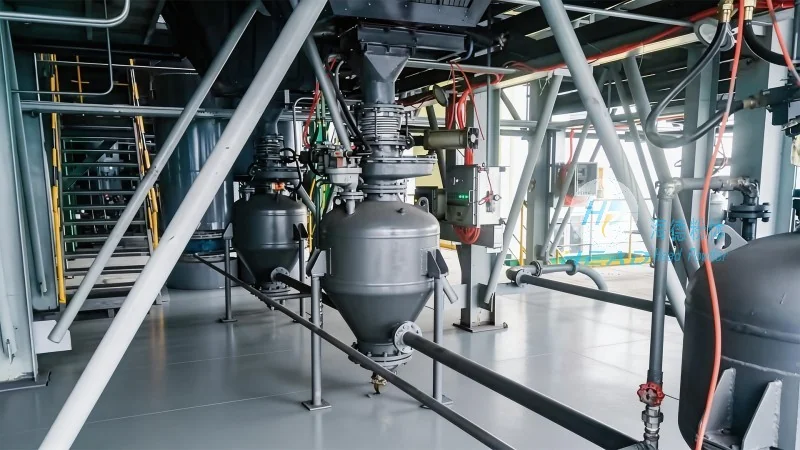
Soybean grain handling equipment typically consists of several key components that work together to achieve efficient material transport. The primary components include feeders, conveyors, elevators, and storage bins. Feeders, such as screw feeders or belt feeders, are used to regulate the flow of soybean grains into the system. They ensure a consistent and controlled input of material, preventing overloading or underloading of the conveyor system. Conveyors, which can be belt conveyors, chain conveyors, or pneumatic conveyors, are responsible for moving the soybean grains horizontally or vertically. Belt conveyors are widely used for horizontal transport due to their simplicity and effectiveness. Chain conveyors are suitable for heavy loads and steep inclines, while pneumatic conveyors use air pressure to transport grains, offering flexibility in layout and distance. Elevators, such as bucket elevators or chain elevators, are used to lift soybean grains vertically, often connecting different levels of the processing facility. Storage bins, or silos, are used to store the harvested soybean grains before processing, providing a controlled environment that prevents spoilage and contamination.
Advantages of Using Professional Soybean Grain Handling Equipment
Investing in specialized soybean grain handling equipment offers numerous advantages for agricultural and food processing operations. First, these systems significantly improve operational efficiency by automating the material handling process. Manual handling of soybean grains is labor-intensive and prone to errors, while automated equipment ensures consistent and reliable performance. Second, the equipment minimizes grain damage and loss, which is critical for maintaining grain quality and reducing economic losses. Gentle handling and controlled transport reduce the risk of broken kernels, mold growth, and other forms of spoilage. Third, the systems enhance hygiene and compliance with food safety regulations. Stainless steel construction and easy cleaning features help prevent contamination from bacteria or other pathogens, ensuring that the soybean grains meet the highest quality standards. Fourth, the equipment reduces labor costs and increases productivity. By automating the handling process, businesses can reduce the number of workers needed for manual labor and focus on other critical tasks. This leads to higher overall productivity and profitability. Finally, the equipment is designed for durability and long-term use, providing a reliable solution that can withstand the demands of continuous operation in agricultural and food processing environments.




