When it comes to efficiently transporting bulk materials like bean powders, pneumatic conveying systems have emerged as a reliable and effective solution. These systems utilize air or gas to move powders through a pipeline, offering advantages such as reduced contamination, improved safety, and the ability to handle materials in a closed environment. This article delves into the specifics of bean powder pneumatic conveying systems, exploring what they are and the underlying design principles that make them functional.
Understanding Bean Powder Pneumatic Conveying Systems
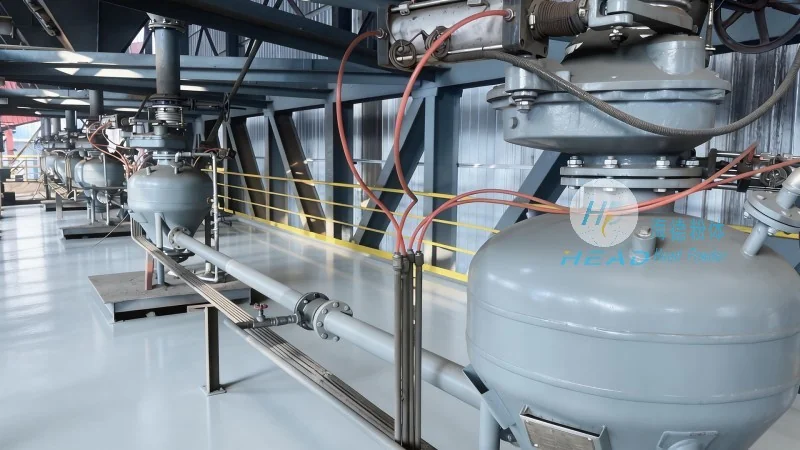
A bean powder pneumatic conveying system is a specialized piece of equipment designed to transport fine powders, such as those derived from beans, through a network of pipes using compressed air or other gases. Unlike traditional mechanical conveyors, which rely on mechanical components like belts or screws, pneumatic systems use air pressure to move the material. This method is particularly suitable for materials that are prone to dust, have high moisture content, or require a sterile environment, making it ideal for the food processing industry where bean powders are commonly used.
The Core Components of a Pneumatic Conveying System
At the heart of any pneumatic conveying system are several key components that work in tandem to ensure efficient material transport. These components include the air compressor, which generates the necessary pressure to move the powder; the hopper or feed hopper, where the bean powder is stored before being introduced into the system; the conveying line, which consists of pipes that carry the material; and the receiver or discharge hopper, where the material is deposited at its destination. Additionally, systems may include filters to remove any fine particles from the air, and control valves to regulate the flow and pressure within the system.
Design Principles for Optimal Performance
The design of a bean powder pneumatic conveying system is governed by several critical principles aimed at maximizing efficiency, minimizing energy consumption, and ensuring the safe handling of the material. One of the primary design considerations is the selection of the appropriate air velocity within the conveying line. The velocity must be high enough to prevent the powder from settling or clogging the pipes but low enough to avoid excessive wear on the system components. This balance is crucial for maintaining a consistent flow rate and preventing material degradation.
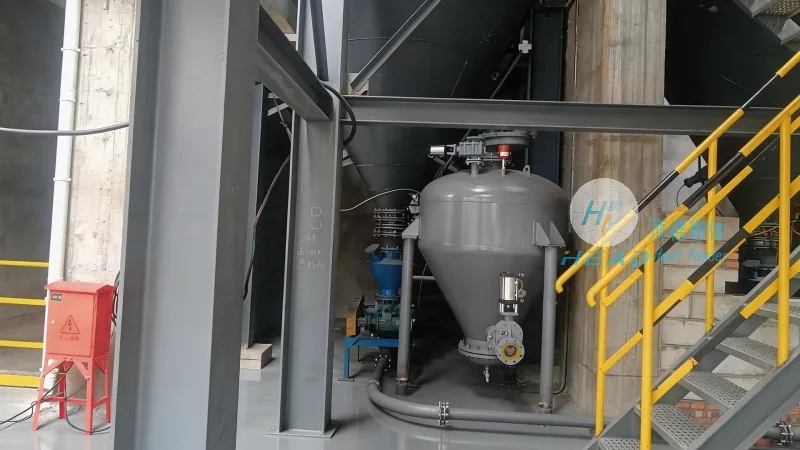
Another key design principle is the proper sizing of the conveying line. The diameter and length of the pipes are carefully calculated based on the particle size, density, and flow rate of the bean powder. Larger particles may require larger diameter pipes to prevent blockages, while smaller particles can be conveyed through narrower lines with higher air velocities. The system's design also takes into account the pressure drop across the line, which is the reduction in air pressure as it moves through the pipes. Proper sizing helps minimize this pressure drop, ensuring that the air compressor can operate efficiently without excessive energy consumption.
The Role of Material Properties in System Design
The physical and chemical properties of the bean powder itself play a significant role in determining the optimal design of the pneumatic conveying system. For instance, the moisture content of the powder can affect its flowability and tendency to clump, which in turn influences the air velocity and pressure required for effective transport. Similarly, the particle size distribution and density of the powder impact the system's capacity and the type of air compressor needed. Engineers at Shandong HeadPowder Engineering Co., Ltd. carefully analyze these properties to tailor the system design to the specific characteristics of the bean powder, ensuring reliable and efficient operation.
Advantages of Pneumatic Conveying for Bean Powders
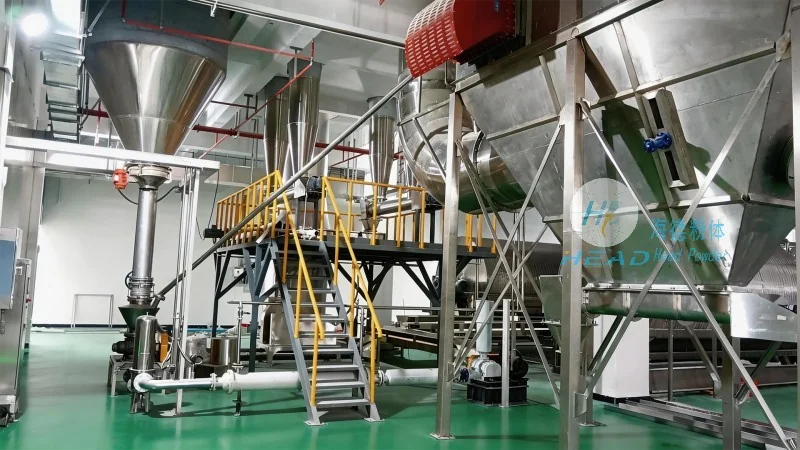
Implementing a pneumatic conveying system for bean powders offers several advantages over traditional methods. Firstly, it provides a closed system that prevents dust and contamination, which is critical in food processing applications where product purity is paramount. Secondly, the system is generally more energy-efficient compared to mechanical conveyors, as it uses less power to move the material over long distances. Additionally, pneumatic systems are flexible and can be easily reconfigured to accommodate changes in production volume or material types. This adaptability makes them a cost-effective solution for businesses dealing with bean powders.
Applications in the Food Industry
Bean powders are widely used in the food industry as ingredients in various products, including baked goods, beverages, and nutritional supplements. The pneumatic conveying systems designed by Shandong HeadPowder Engineering Co., Ltd. are particularly well-suited for these applications due to their ability to handle fine powders without causing degradation or contamination. These systems are commonly used in factories to transport bean powders from storage silos to processing lines, ensuring a smooth and continuous production process. The closed nature of the system also helps maintain hygiene standards, which is essential for compliance with food safety regulations.
Conclusion
In conclusion, bean powder pneumatic conveying systems are sophisticated pieces of equipment that leverage air pressure to efficiently transport fine powders. The design principles, including proper air velocity, pipe sizing, and consideration of material properties, are crucial for achieving optimal performance. Companies like Shandong HeadPowder Engineering Co., Ltd. specialize in designing and manufacturing these systems to meet the specific needs of the food industry, providing reliable and efficient solutions for transporting bean powders. By understanding the components and design principles of these systems, businesses can enhance their production processes and ensure the quality and safety of their products.




