Glass fiber cellulose pneumatic conveying systems are specialized industrial equipment designed to transport glass fiber cellulose materials through a pipeline using compressed air or other gas as the conveying medium. These systems are widely used in various industries, including construction, manufacturing, and environmental applications, where efficient and reliable material handling is crucial. The core of such systems lies in the seamless integration of components that ensure the safe and effective movement of glass fiber cellulose, a material known for its high strength and thermal stability.
Key Design Principles of Pneumatic Conveying Systems
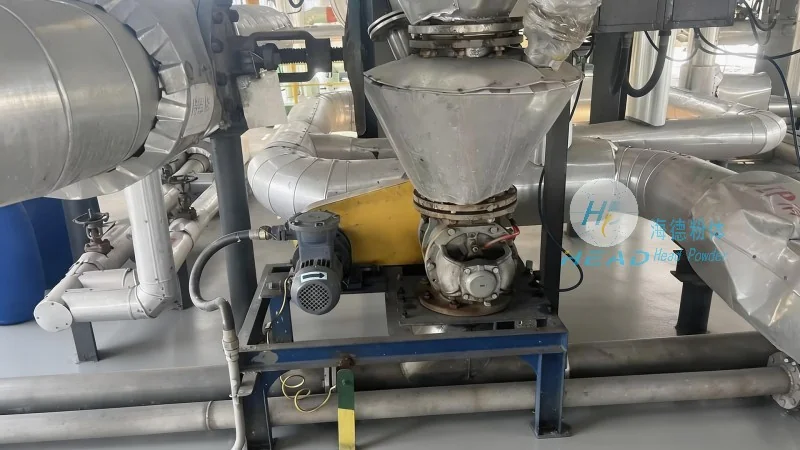
The design of a glass fiber cellulose pneumatic conveying system is governed by several critical principles that ensure optimal performance and durability. First, the system must be engineered to handle the unique physical properties of glass fiber cellulose, which includes its abrasive nature and tendency to form agglomerates. This requires the use of high-quality materials for the pipeline and components, such as stainless steel or specialized polymers, to minimize wear and prevent blockages. Second, the system's air flow management is paramount. Proper air velocity and pressure must be maintained to ensure that the material is conveyed efficiently without causing excessive pressure drops or material degradation. Third, the system incorporates control mechanisms to regulate the flow rate and prevent overloading, which is essential for maintaining system stability and preventing equipment damage.
Components and Their Functions in the Conveying System
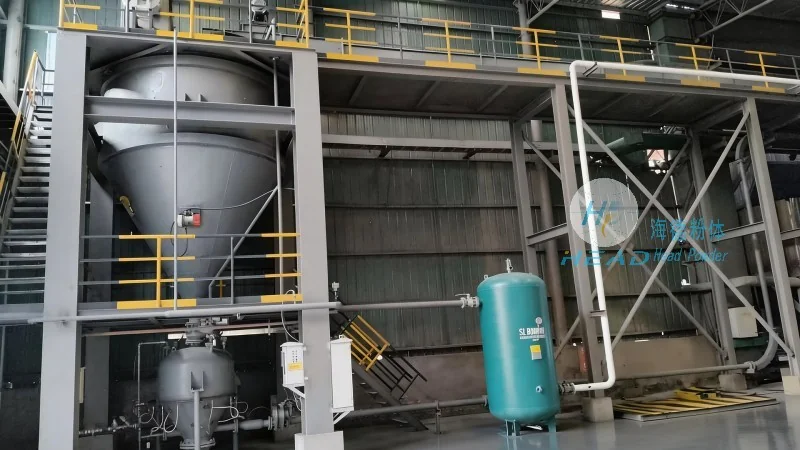
A typical glass fiber cellulose pneumatic conveying system consists of several key components, each playing a vital role in the overall operation. The material hopper is the initial point where the glass fiber cellulose is loaded. It is designed with a smooth interior to prevent material buildup and is equipped with a feeding mechanism, such as a rotary valve or a screw feeder, to control the flow of material into the system. The pipeline network connects the hopper to the discharge point and is typically made of corrosion-resistant materials to withstand the abrasive nature of the material. The air compressor or blower generates the necessary pressure to move the material through the pipeline. It is often equipped with a filter to remove moisture and particulate matter from the air, ensuring clean and efficient operation. The discharge unit, which may include a cyclone separator or a rotary valve, separates the material from the air at the end of the pipeline and directs the material to its final destination. Finally, the control panel manages all aspects of the system, including air pressure, flow rate, and material feed, allowing for precise operation and easy maintenance.
Advantages of Using Pneumatic Conveying for Glass Fiber Cellulose
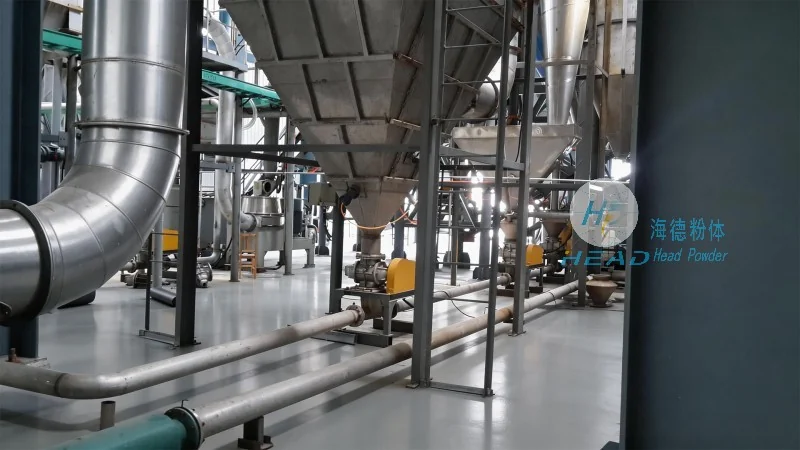
Implementing a glass fiber cellulose pneumatic conveying system offers several advantages over traditional material handling methods. One of the primary benefits is the ability to transport materials over long distances without the need for multiple transfer points or intermediate storage. This reduces the risk of material contamination and improves overall operational efficiency. Additionally, pneumatic conveying systems are relatively compact and can be installed in confined spaces, making them suitable for applications where floor space is limited. The system also minimizes the need for manual handling, reducing labor costs and improving workplace safety. Furthermore, the enclosed nature of the system prevents dust and particles from being released into the environment, contributing to better air quality and compliance with environmental regulations.
Applications and Industries Utilizing These Systems
Glass fiber cellulose pneumatic conveying systems are employed in a wide range of industries due to their versatility and efficiency. In the construction industry, these systems are used to transport glass fiber cellulose for insulation and reinforcement applications. The material is often used in the production of composite panels and roofing materials, where its high strength and thermal resistance are critical. In manufacturing, the systems are utilized in the production of glass fiber-reinforced plastics (GFRP), where the material is conveyed to molding machines for processing. Environmental applications also benefit from these systems, as they are used to transport glass fiber cellulose for waste management and recycling purposes. The systems are particularly useful in facilities that handle large volumes of material, as they can handle continuous and high-volume operations without interruption.
Maintenance and Operational Considerations
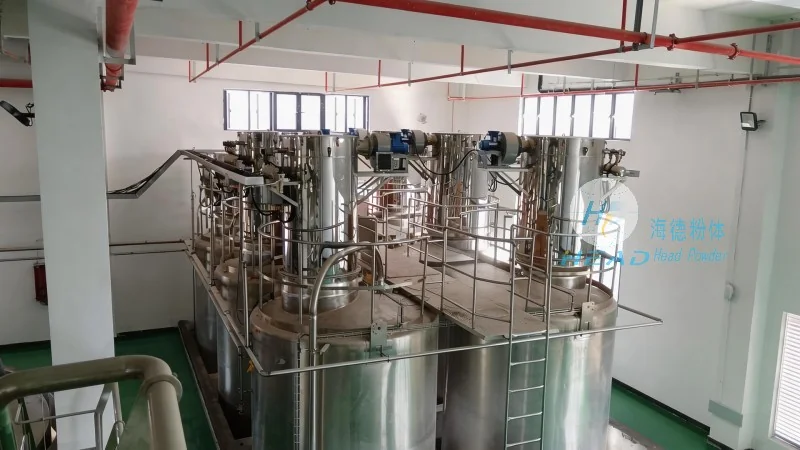
Proper maintenance is essential to ensure the longevity and efficiency of a glass fiber cellulose pneumatic conveying system. Regular inspection of the pipeline and components for signs of wear or damage is crucial. The air compressor and filters should be checked and cleaned regularly to prevent clogging and maintain optimal performance. The feeding mechanisms, such as rotary valves, should be lubricated and adjusted as needed to ensure smooth operation. Additionally, the system should be equipped with safety features, such as pressure relief valves and emergency shut-off switches, to prevent accidents and protect personnel. Operational considerations also include monitoring the system's performance metrics, such as pressure drops and material flow rates, to identify any potential issues before they become major problems.




