For those in the agricultural processing or food manufacturing sectors, understanding the technology behind efficient material handling is crucial. One such system that has gained prominence is the oat pneumatic conveying system. This article aims to demystify what an oat pneumatic conveying system is and delve into its fundamental design principles, providing a comprehensive overview for industry professionals. Shandong HeadPowder Engineering Co., Ltd., a leading provider of pneumatic conveying solutions, specializes in designing and manufacturing systems tailored to the unique needs of the agricultural and food processing industries.
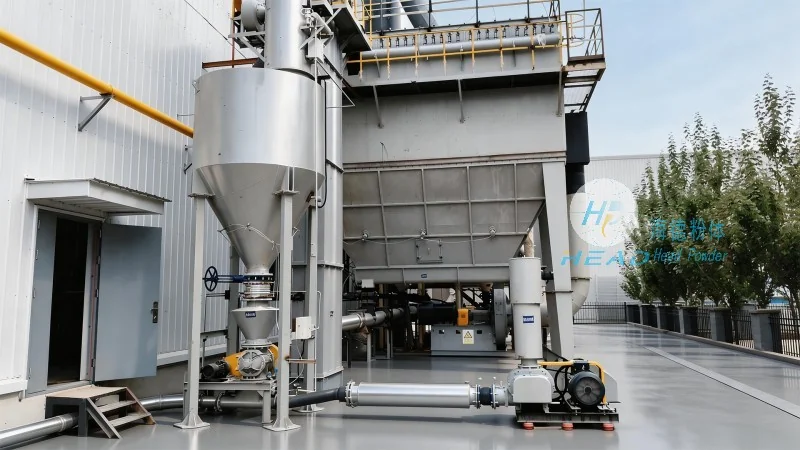
Understanding Oat Pneumatic Conveying Systems
An oat pneumatic conveying system is a method of transporting oat grains or other bulk materials through a pipeline using air or gas as the conveying medium. Unlike traditional mechanical systems that rely on belts, screws, or buckets, pneumatic conveying systems utilize pressure differentials to move materials, making them particularly suitable for handling delicate or abrasive products like oats. The system typically consists of a hopper, a conveyor line, a control unit, and a discharge mechanism, all working in tandem to ensure efficient and gentle material transport.
Key Components of an Oat Pneumatic Conveying System
At the heart of any pneumatic conveying system are several critical components that work together to achieve seamless operation. The hopper serves as the storage and feeding unit, where oats are loaded and prepared for transport. It is designed with a sloped bottom to facilitate smooth material flow into the conveyor line. The conveyor line itself is a flexible or rigid pipe that carries the oats through the system. The choice between positive and negative pressure systems depends on the application, with positive pressure systems blowing air into the line to push the material, and negative pressure systems creating a vacuum to pull the material.
The control unit is another vital component, responsible for regulating the air pressure, flow rate, and overall system operation. It ensures that the conveying process is optimized for efficiency and minimal product damage. Finally, the discharge mechanism allows the oats to be released at the destination point, such as a processing plant or storage silo. This component is designed to prevent material buildup and ensure a clean, controlled discharge.
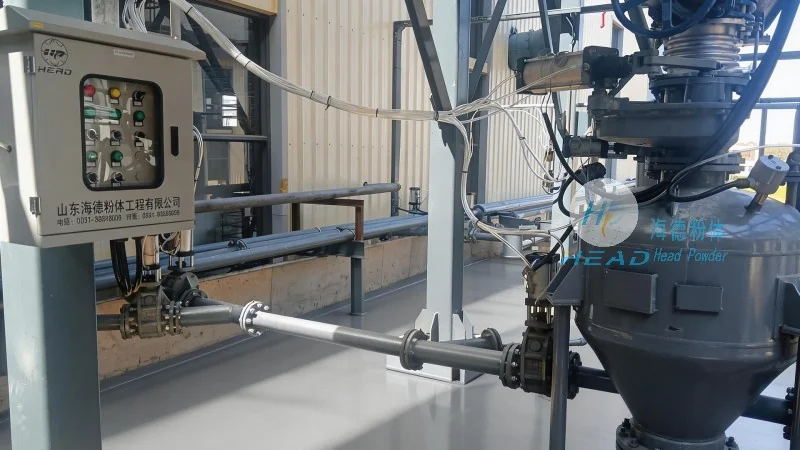
Design Principles for Oat Pneumatic Conveying Systems
The design of an oat pneumatic conveying system is a complex process that requires careful consideration of several factors to ensure optimal performance. The primary design principles include material characteristics, system pressure, pipeline layout, and energy efficiency. Material characteristics, such as the size, shape, and density of oats, play a significant role in determining the appropriate conveying method and system configuration. For instance, oats are relatively light and have a tendency to flow freely, which can affect the system's pressure requirements and flow rates.
System pressure is a critical design parameter that dictates the conveying capacity and distance. Positive pressure systems are generally more suitable for long-distance conveying, as they can maintain higher pressure levels to overcome friction and elevation changes. Negative pressure systems, on the other hand, are better suited for shorter distances or when the material needs to be transported from a higher to a lower elevation. The choice of pressure system directly impacts the system's energy consumption and overall efficiency.
Pipeline layout is another key design consideration. The design must account for the system's length, bends, and elevation changes to minimize pressure losses and ensure consistent material flow. Properly sized and positioned bends and elbows are essential to maintain the material's velocity and prevent blockages or material degradation. Additionally, the use of appropriate pipe materials, such as stainless steel or food-grade plastic, is crucial to prevent contamination and ensure the oats remain in optimal condition throughout the conveying process.
Energy efficiency is a growing concern in modern industrial design, and pneumatic conveying systems are no exception. Designers must optimize the system to minimize energy consumption while maintaining the required conveying capacity. This involves selecting the right air compressor, optimizing the air flow rate, and reducing pressure losses through efficient pipeline design. By focusing on energy efficiency, manufacturers can reduce operational costs and minimize their environmental impact.
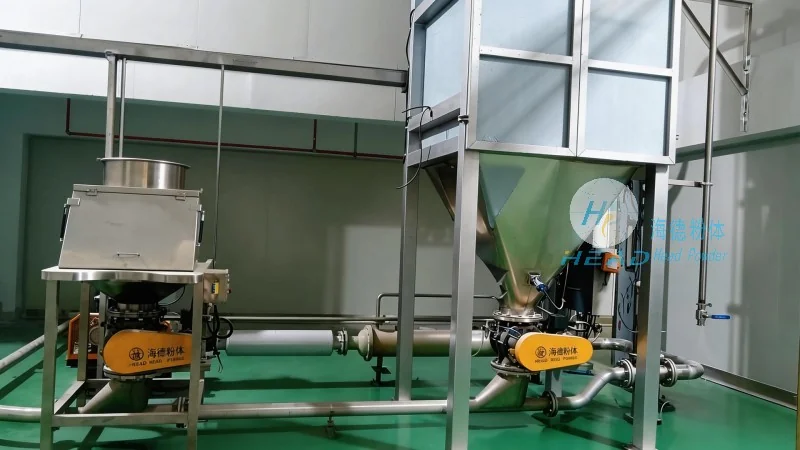
Applications and Benefits of Oat Pneumatic Conveying Systems
Oat pneumatic conveying systems are widely used in various industries, including food processing, animal feed production, and agricultural storage. Their primary benefits include gentle handling of delicate materials, reduced product damage, and improved hygiene compared to traditional mechanical systems. The system's ability to handle bulk materials efficiently and with minimal human intervention makes it an attractive option for large-scale operations. Additionally, pneumatic conveying systems can be integrated with other processing equipment, such as mills or mixers, to create a seamless production line.
Another significant advantage of pneumatic conveying systems is their flexibility. They can be easily modified or expanded to accommodate changing production needs or new product lines. This adaptability makes them a long-term investment for businesses looking to scale their operations. Furthermore, the system's ability to handle a wide range of materials, from oats to other grains or powders, makes it a versatile solution for various applications.
Conclusion
In conclusion, an oat pneumatic conveying system is a sophisticated and efficient method of transporting bulk materials, particularly oats, through a pipeline using air or gas as the conveying medium. The design principles, including material characteristics, system pressure, pipeline layout, and energy efficiency, are crucial in ensuring the system's optimal performance. By leveraging the benefits of gentle handling, reduced product damage, and improved hygiene, businesses can enhance their operational efficiency and product quality. As technology continues to advance, pneumatic conveying systems will likely remain a cornerstone of efficient material handling in the agricultural and food processing industries.




