White flour pneumatic conveying is a specialized method of material handling that utilizes air to transport white flour and other fine powders efficiently. This technology is crucial in the food processing and industrial sectors, offering a clean, hygienic, and efficient way to move bulk materials. The process involves creating a flow of air through a system of pipes, where the flour is suspended and carried to the destination. Understanding the principles and applications of this technology is essential for optimizing operations in flour mills and related industries.
Classification of Pneumatic Conveying Systems
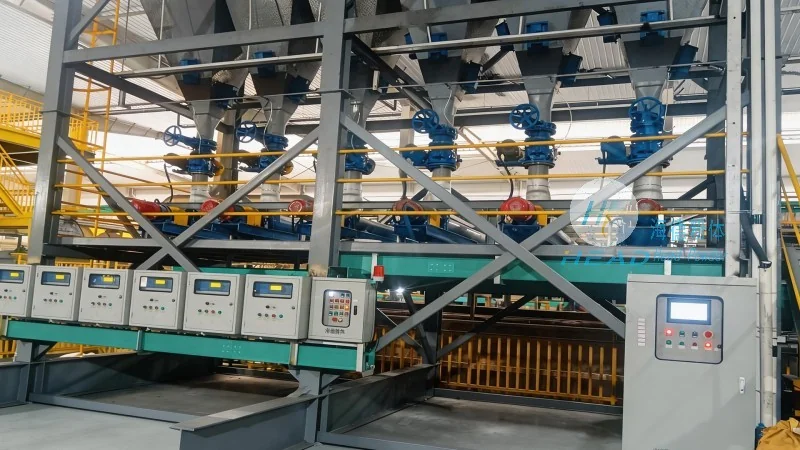
Pneumatic conveying systems are broadly classified into two main types based on the direction of air flow and the pressure used: dilute-phase and dense-phase systems. Dilute-phase systems operate at low pressure, using a high volume of air to suspend the material, making them suitable for short-distance and low-capacity applications. Dense-phase systems, on the other hand, operate at higher pressure, using a lower volume of air to transport material in a more concentrated form, ideal for longer distances and higher capacities. Within these categories, there are further subtypes, such as vacuum (or suction) systems and pressure (or blow) systems, each tailored to specific operational needs.
Applications of Pneumatic Conveying in White Flour Handling
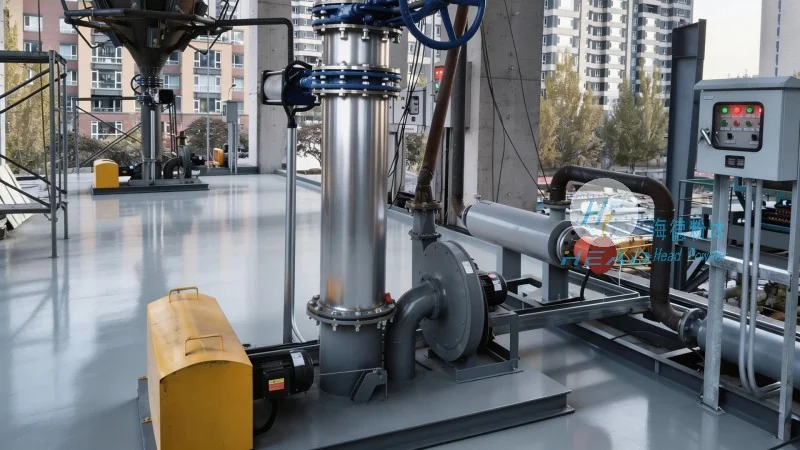
In the context of white flour, pneumatic conveying is widely used for various stages of processing, from raw material intake to final product distribution. One common application is the transfer of flour from storage silos to processing equipment, ensuring a continuous and controlled flow. This method is particularly beneficial in maintaining the quality of the flour, as it minimizes exposure to contaminants and prevents dust accumulation. Additionally, pneumatic conveying is employed in blending operations, where different flour types are mixed to achieve specific characteristics for baking. The technology also supports the movement of flour to packaging lines, enabling efficient and hygienic filling of bags or containers.
Key Considerations for Implementing White Flour Pneumatic Conveying
When implementing a pneumatic conveying system for white flour, several factors must be carefully considered to ensure optimal performance and product quality. Firstly, the design of the system must account for the hygienic requirements of the food industry, including materials that are easy to clean and maintain, such as stainless steel. Secondly, the system's capacity and pressure must be matched to the specific flow rates and distances required, as improper sizing can lead to inefficiencies or material degradation. Thirdly, the control mechanisms, such as air flow regulators and pressure sensors, are critical for maintaining consistent operation and preventing issues like blockages or air leaks. Proper maintenance and regular cleaning are also essential to prevent the buildup of flour residue, which can affect the system's performance and the quality of the flour being handled.
About Shandong HeadPowder Engineering Co., Ltd.
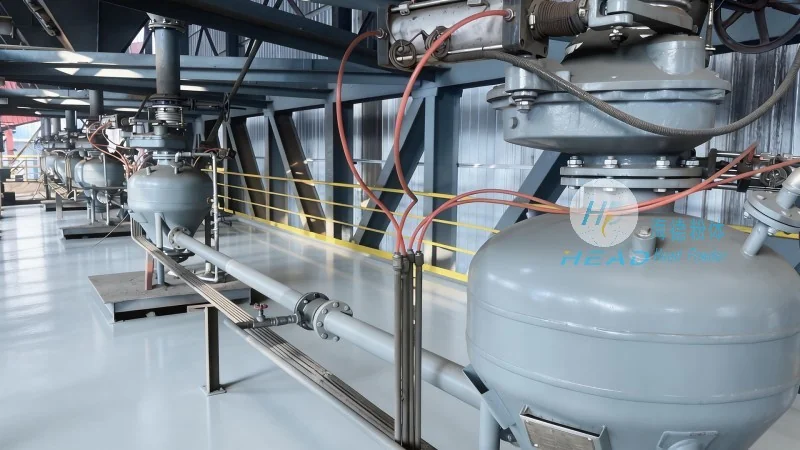
Shandong HeadPowder Engineering Co., Ltd., operating under the brand name HeadPowder, is a leading provider of pneumatic conveying solutions tailored for the food and industrial sectors. With headquarters in Shandong, China, the company specializes in designing, manufacturing, and installing advanced conveying systems that meet the stringent standards of the industry. HeadPowder's expertise lies in understanding the unique challenges of handling fine powders like white flour, and developing customized solutions that enhance efficiency, reduce downtime, and ensure product integrity. The company's commitment to quality and innovation has made it a trusted partner for businesses seeking reliable material handling systems.




