Calcium Dioxide, commonly known as calcium diox, is a critical chemical in various industrial processes. The efficient and safe transportation of this material is essential for maintaining production efficiency and ensuring workplace safety. Pneumatic conveying systems offer a reliable solution for handling calcium diox, with several types available to suit different operational needs. Understanding the characteristics and application scope of these systems is vital for selecting the most appropriate technology for specific industrial applications.
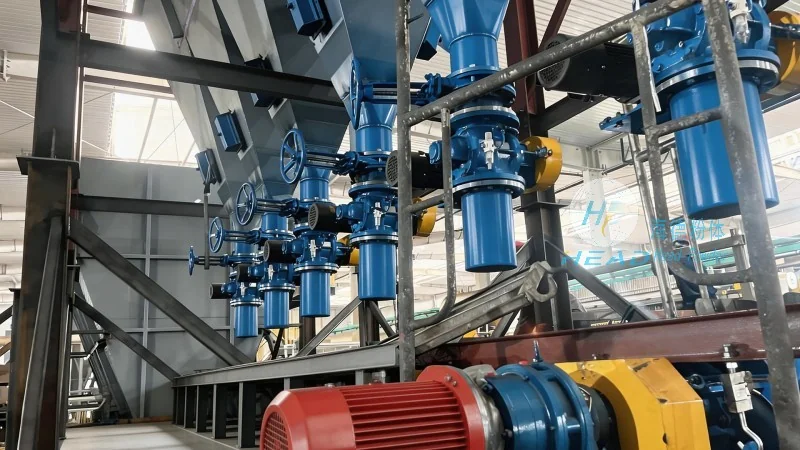
Types of Pneumatic Conveying Systems for Calcium Dioxide
There are primarily three types of pneumatic conveying systems used for calcium diox: suction (or vacuum) systems, pressure systems, and combined (or mixed) systems. Each type has distinct features that influence its suitability for different scenarios.
Suction systems operate by creating a vacuum at the material source, drawing the calcium diox into the conveying line. This method is ideal for applications where the material is located at a higher elevation or needs to be transported from multiple points to a central collection point. The main advantage of suction systems is their ability to handle materials from multiple sources without the need for additional equipment at each source. However, they typically have a lower conveying capacity compared to pressure systems and are more susceptible to blockages if the material is too fine or contains moisture.
Pressure systems, on the other hand, use compressed air to push the calcium diox through the conveying line. These systems are suitable for transporting materials from a lower elevation to a higher one or over longer distances. They generally offer higher conveying capacities and are less prone to blockages compared to suction systems. The primary drawback is the need for a dedicated air compressor and the higher energy consumption associated with maintaining pressure.
Combined systems, as the name suggests, combine elements of both suction and pressure systems. They use a vacuum at the material source to draw the material into a low-pressure zone and then use compressed air to transport it to the destination. This approach allows for flexibility in handling materials from multiple sources while still achieving higher conveying rates over longer distances. Combined systems are often used in complex industrial setups where both suction and pressure capabilities are required.
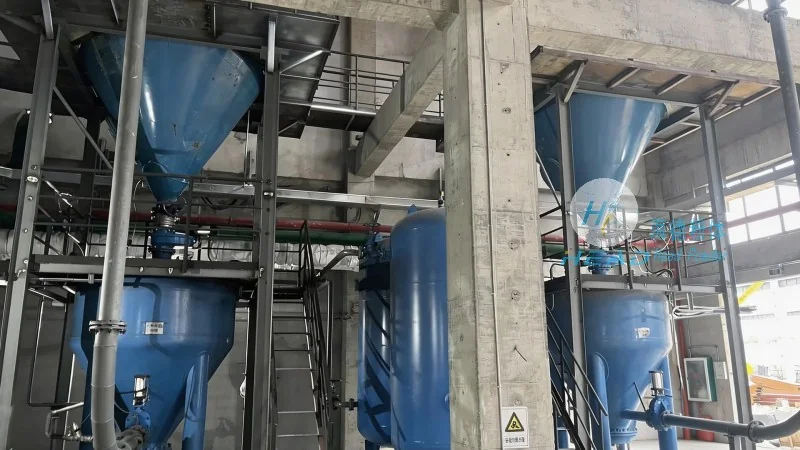
Key Characteristics of Calcium Dioxide Pneumatic Conveying Systems
When evaluating pneumatic conveying systems for calcium diox, several key characteristics must be considered. These include the system's conveying capacity, which determines the volume of material that can be transported per unit time; the pressure drop, which indicates the energy efficiency of the system; and the material handling capability, which refers to the system's ability to handle materials with varying particle sizes, moisture content, and flow properties.
Calcium diox is a hygroscopic material, meaning it readily absorbs moisture from the air. This property can affect the performance of pneumatic conveying systems, as moisture can lead to blockages or corrosion of the conveying equipment. Therefore, systems designed for calcium diox often incorporate features such as moisture-proofing, temperature control, and material drying mechanisms to ensure reliable operation. Additionally, the system's design must consider the material's reactivity with air, as calcium diox can decompose when exposed to oxygen, potentially leading to the release of toxic gases. Proper sealing and inert gas environments are critical to prevent such reactions and ensure worker safety.
Another important characteristic is the system's scalability. Many industrial applications require the ability to expand or modify the conveying system as production needs change. Pneumatic conveying systems are generally modular, allowing for easy integration of additional components or expansion of the conveying line. This flexibility is particularly valuable in industries where production volumes fluctuate or where new processes are added over time.
Application Scope of Calcium Dioxide Pneumatic Conveying Systems
The application scope of calcium diox pneumatic conveying systems is broad and encompasses various industries that utilize calcium diox as a raw material or intermediate product. In the chemical industry, these systems are commonly used in the production of dyes, pharmaceuticals, and other chemical compounds. The ability to handle calcium diox in a controlled and efficient manner is crucial for maintaining the quality and consistency of these products.
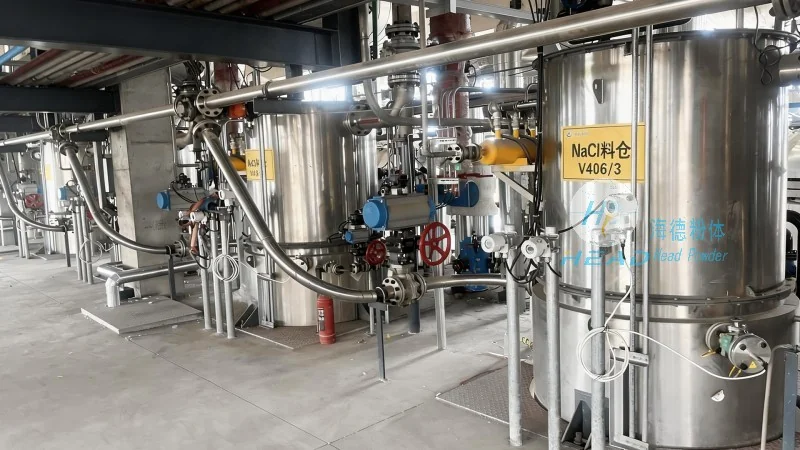
In the pulp and paper industry, calcium diox is used as a bleaching agent and a pH adjuster. Pneumatic conveying systems are essential for transporting the material from storage silos to the bleaching and processing units. The systems must be designed to handle the material's hygroscopic nature and ensure that it remains in a stable state during transportation.
In the food and beverage industry, calcium diox is used as a food additive and a preservative. The use of pneumatic conveying systems in this sector is critical for maintaining the purity and safety of the material, as any contamination or degradation can have adverse effects on the final product. Systems are typically equipped with sanitary designs and materials to prevent cross-contamination and ensure compliance with food safety regulations.
In the mining and mineral processing industry, calcium diox is used as a reagent in the extraction of metals and minerals. Pneumatic conveying systems are used to transport the material from processing plants to storage facilities or to other processing units. The systems must be robust and able to handle the abrasive nature of the material, as well as any potential contaminants from the mining process.
Finally, in the environmental and waste management industry, calcium diox is used for wastewater treatment and as a neutralizing agent for acidic waste. Pneumatic conveying systems are employed to transport the material to treatment facilities, where it is used to adjust the pH of wastewater and neutralize acidic components. The systems must be designed to handle the corrosive nature of the wastewater and ensure that the material is delivered in a controlled manner to avoid any environmental hazards.




