Reduction iron powder is a critical raw material in various industrial processes, particularly within the steel and metallurgical sectors. The efficient and reliable transport of this fine powder is essential for maintaining production efficiency and minimizing operational disruptions. Pneumatic conveying systems have emerged as a preferred solution for handling reducing iron powder, offering advantages such as dust control, reduced material degradation, and enhanced safety. This article explores the different types of pneumatic conveying systems used in reducing iron powder transport and their practical applications, with a focus on the expertise of Shandong HeadPowder Engineering Co., Ltd., a leading provider based in Shandong, China.
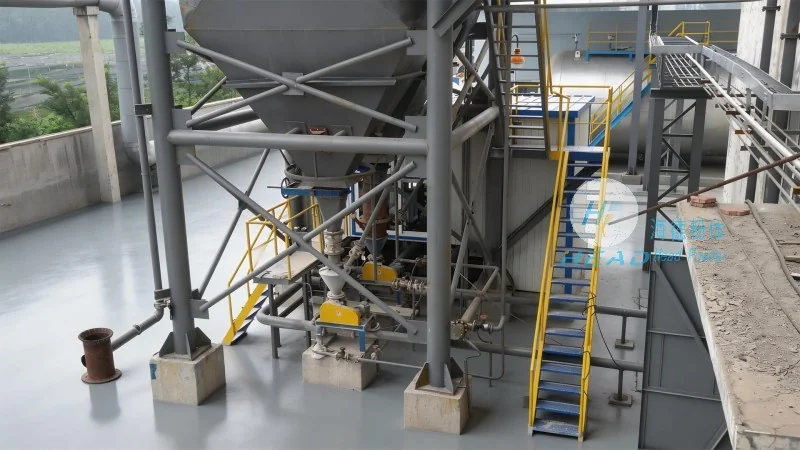
Types of Pneumatic Conveying Systems for Reducing Iron Powder Transport
There are several types of pneumatic conveying systems designed to handle reducing iron powder, each with distinct characteristics and operational principles. The choice of system depends on factors such as the material's properties, the distance to be conveyed, and the required throughput. The primary types include:
1. Positive Pressure Pneumatic Conveying This system operates by blowing air or a gas mixture into the conveying line, creating a positive pressure that propels the iron powder forward. It is suitable for short to medium distances and is effective for handling abrasive or sticky materials. The positive pressure system ensures that the material is continuously moved, reducing the risk of clogging and material degradation.
2. Negative Pressure (Vacuum) Pneumatic Conveying In this system, a vacuum is created at the receiving end, drawing the iron powder into the conveying line. This method is ideal for long-distance transport and for applications where the material needs to be collected from multiple sources. The vacuum system is particularly useful for handling fine powders that are prone to dust dispersion, as it minimizes the risk of airborne contamination.
3. Combined (Positive and Negative Pressure) Pneumatic Conveying This hybrid system combines elements of both positive and negative pressure systems. It typically uses a positive pressure at the discharge point and a vacuum at the intake point, allowing for flexible and efficient transport over varying distances. The combined system offers the benefits of both approaches, making it suitable for complex conveying scenarios where multiple sources and destinations are involved.
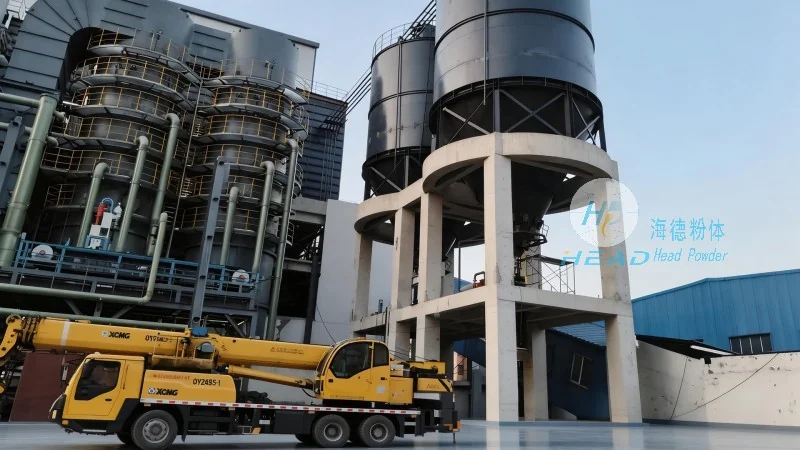
Practical Applications and Operational Considerations
Shandong HeadPowder Engineering Co., Ltd. has extensive experience in implementing pneumatic conveying systems for reducing iron powder transport across various industrial settings. The company's solutions are tailored to meet the specific needs of clients, ensuring optimal performance and reliability. Practical applications of these systems include:
Industrial Production Lines In steel mills and metallurgical plants, reducing iron powder is often used as a feedstock for blast furnaces or other processing equipment. Pneumatic conveying systems enable the seamless transfer of iron powder from storage silos to the production line, maintaining consistent material flow and reducing downtime. The systems are designed to handle high volumes of material while minimizing the risk of material segregation or degradation.
Material Handling and Storage For companies storing large quantities of reducing iron powder, pneumatic conveying systems provide an efficient means of moving the material between storage silos, processing units, and packaging areas. The systems are equipped with advanced controls and monitoring capabilities, allowing for real-time tracking of material levels and flow rates. This ensures that storage facilities operate at optimal capacity and reduces the risk of material loss or contamination.
Environmental and Safety Compliance Pneumatic conveying systems are particularly beneficial for handling reducing iron powder due to their ability to control dust emissions. Unlike traditional bulk handling methods, which may generate significant airborne dust, pneumatic systems use enclosed pipelines to transport the material, minimizing environmental impact and ensuring compliance with safety regulations. This is especially important in industrial environments where dust can pose health risks to workers and contribute to air pollution.
Technical Advantages and Customization Options
The pneumatic conveying systems offered by Shandong HeadPowder Engineering Co., Ltd. are engineered to deliver superior performance and reliability. Key technical advantages include:
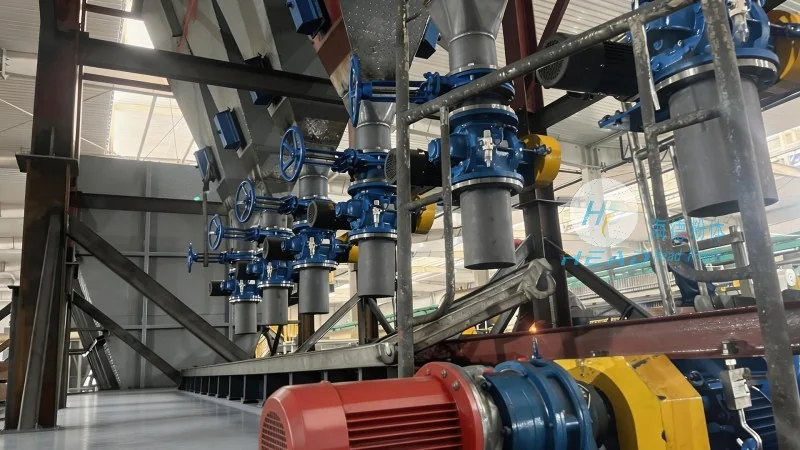
Efficient Material Transport The systems are designed to handle a wide range of particle sizes and densities, ensuring consistent and efficient transport of reducing iron powder. Advanced control systems allow for precise regulation of air flow and pressure, optimizing the conveying process and minimizing energy consumption.
Reduced Maintenance and Downtime High-quality components and robust construction of the conveying systems result in lower maintenance requirements and extended operational life. The use of durable materials and corrosion-resistant coatings ensures that the systems can withstand the harsh conditions often encountered in industrial settings.
Customization and Integration Shandong HeadPowder Engineering Co., Ltd. provides customized solutions tailored to the unique requirements of each client. Whether it's a standard system or a complex, multi-stage conveying setup, the company works closely with clients to design and implement the most effective solution. The systems can be integrated with existing production lines or new facilities, ensuring seamless operation and minimal disruption.
In conclusion, pneumatic conveying systems are a vital component in the efficient transport of reducing iron powder. The expertise of Shandong HeadPowder Engineering Co., Ltd. in designing and implementing these systems ensures that clients receive reliable, high-performance solutions that meet their specific operational needs. By leveraging the right type of pneumatic conveying system, industrial facilities can enhance productivity, improve safety, and maintain compliance with environmental regulations.




