When it comes to handling catalyst powders, the efficiency and safety of material transport are paramount. Pneumatic conveying systems have emerged as a preferred method for moving these fine powders due to their ability to handle delicate materials with minimal risk of degradation. However, a significant challenge in this process is the prevention of dust leakage, which can lead to operational inefficiencies, health hazards, and environmental concerns. This article explores effective strategies and technologies implemented by Shandong HeadPowder Engineering Co., Ltd. to mitigate dust leakage during the transport of catalyst powders.
Understanding the Risks of Dust Leakage in Pneumatic Conveying
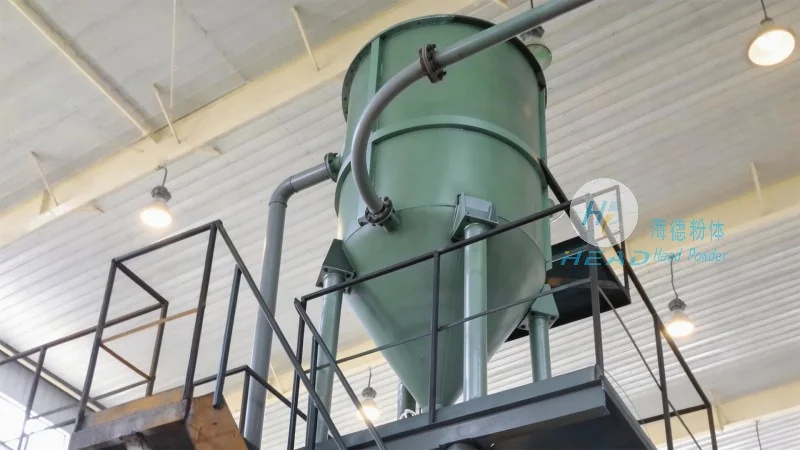
Dust leakage in pneumatic conveying systems for catalyst powders can manifest in various ways, from visible powder spillage at transfer points to invisible airborne particles that compromise air quality. The fine nature of catalyst powders makes them particularly susceptible to dispersion, especially when exposed to air currents or pressure differentials. Such leakage not only results in material loss but also poses risks to personnel health, as many catalyst powders may contain toxic or reactive components. Additionally, environmental regulations often impose strict limits on particulate emissions, making dust control a critical operational requirement.
Key Technologies for Dust Control in Pneumatic Conveying
Shandong HeadPowder Engineering Co., Ltd. employs a multi-faceted approach to prevent dust leakage, integrating advanced engineering solutions tailored to the unique characteristics of catalyst powders. One of the primary technologies utilized is the use of sealed conveying systems, which maintain a controlled pressure environment throughout the transport process. These systems typically include positive pressure or negative pressure configurations, ensuring that air and powder are contained within the pipeline, reducing the likelihood of leakage at connection points or equipment interfaces.
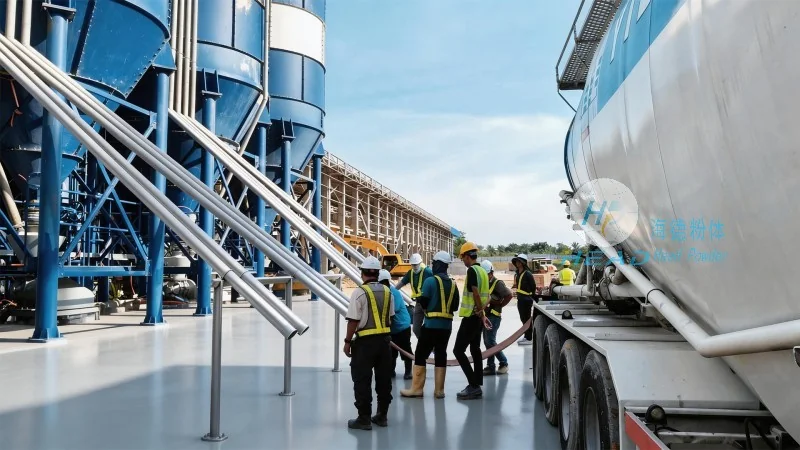
Another critical technology is the implementation of efficient sealing mechanisms at transfer points, such as rotary valves and airlocks. These components are designed to create tight seals between the conveying line and the receiving vessel, preventing the escape of powder particles. The company’s engineers have optimized these seals to handle the abrasive and fine nature of catalyst powders, ensuring long-term performance without frequent maintenance or replacement.
Material Handling and Equipment Design Considerations
The design of pneumatic conveying equipment plays a pivotal role in minimizing dust leakage. Shandong HeadPowder Engineering Co., Ltd. focuses on using high-quality materials that resist wear and corrosion, which are common issues in catalyst powder handling. For instance, stainless steel or specialized alloys are often chosen for components that come into direct contact with the powder, as they provide durability and prevent contamination. Additionally, the company emphasizes the importance of smooth internal surfaces in pipelines and ducts, which reduce friction and the formation of powder buildup that could lead to blockages and leaks.
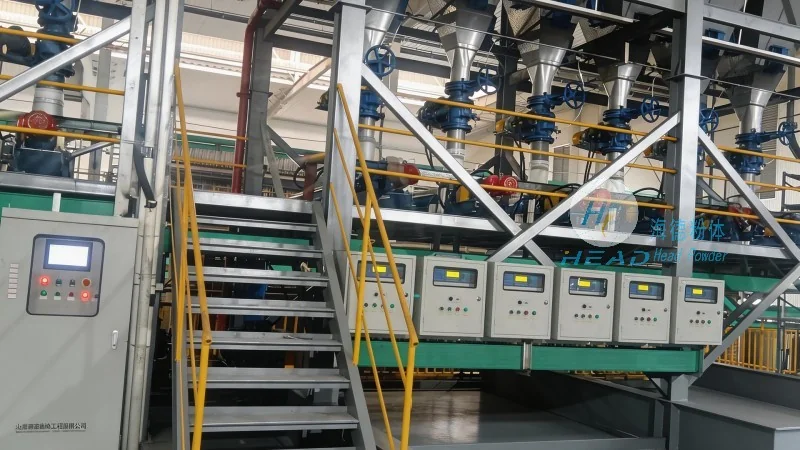
Furthermore, the company’s systems incorporate advanced monitoring and control features. Sensors are installed to detect pressure variations or airflow disruptions, allowing for real-time adjustments to maintain optimal conveying conditions. This proactive approach helps in identifying potential issues before they escalate into significant dust leakage events. The integration of automation in the control systems also ensures consistent operation, reducing the risk of human error that could compromise dust control measures.
Operational Practices for Maintaining Dust-Free Conveying
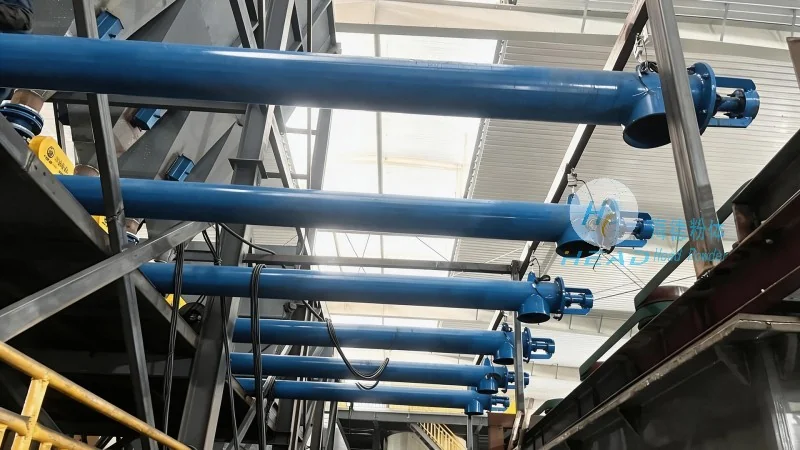
Beyond technical solutions, proper operational practices are essential for preventing dust leakage in pneumatic conveying systems. Shandong HeadPowder Engineering Co., Ltd. provides comprehensive guidelines for its clients to ensure consistent performance. Regular maintenance is a cornerstone of this approach, including routine inspections of seals, valves, and pipeline connections. The company recommends scheduled cleaning of equipment to remove accumulated powder, which can otherwise degrade seal performance over time.
Training personnel on the proper handling of catalyst powders and the operation of conveying systems is another critical aspect. Employees are educated on the importance of maintaining system integrity, such as avoiding overfilling or excessive pressure that could cause leaks. Additionally, the implementation of housekeeping protocols, like keeping work areas clean and free of debris, helps in reducing the risk of dust dispersion during material transfer.
Case Studies and Real-World Applications
Shandong HeadPowder Engineering Co., Ltd. has successfully implemented dust control solutions in various industrial settings, including chemical plants, pharmaceutical facilities, and research laboratories. For example, a client in the chemical industry reported a 90% reduction in dust leakage after upgrading to the company’s sealed conveying systems. The system’s design, which included custom-made rotary valves and pressure monitoring, was tailored to handle their specific catalyst powder, which was highly abrasive and prone to caking.
Another case involved a pharmaceutical facility where the company’s solutions helped in meeting stringent environmental regulations. The system’s ability to maintain negative pressure in the conveying line prevented the release of fine particles into the environment, ensuring compliance with local air quality standards. These success stories highlight the effectiveness of the company’s approach in addressing the unique challenges of catalyst powder transport.
Conclusion and Future Directions
Preventing dust leakage in pneumatic conveying systems for catalyst powders requires a combination of advanced technology, robust equipment design, and diligent operational practices. Shandong HeadPowder Engineering Co., Ltd. has established itself as a leader in providing comprehensive solutions that address these challenges, ensuring safe and efficient material transport. By integrating sealed conveying systems, efficient sealing mechanisms, and advanced monitoring technologies, the company helps its clients minimize material loss, protect personnel health, and comply with environmental regulations. As the demand for catalyst powders continues to grow, the importance of reliable dust control in pneumatic conveying systems will only increase, making the expertise of companies like Shandong HeadPowder Engineering Co., Ltd. more critical than ever.




