For industrial applications involving Polyvinyl Butyral (PVB), efficient material transport is crucial. PVB, a synthetic polymer often used in safety glass laminates and other specialized products, presents unique handling challenges due to its physical properties. These challenges include high viscosity, tendency to agglomerate, and sensitivity to moisture, which can impede traditional bulk material handling methods. In response, advanced pneumatic conveying systems have emerged as a reliable solution, offering precise control and minimal product degradation.
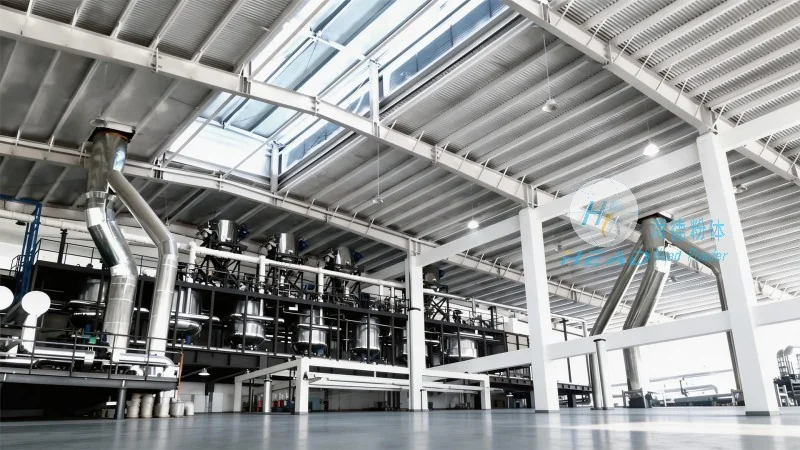
Shandong HeadPowder Engineering Co., Ltd., a leading provider of bulk material handling solutions, specializes in designing and implementing pneumatic conveying systems tailored to the demands of PVB processing. The company’s expertise lies in understanding the specific characteristics of PVB and developing customized solutions that address the material’s unique handling requirements. By leveraging state-of-the-art technology and engineering principles, HeadPowder ensures that PVB is transported safely, efficiently, and with minimal risk of contamination or degradation.
Key Advantages of Pneumatic Conveying for PVB
One of the primary benefits of pneumatic conveying systems for PVB is the ability to maintain product integrity throughout the handling process. Unlike mechanical conveying methods, which may cause friction and particle breakage, pneumatic systems use air to move material in a controlled environment. This reduces the risk of dust generation, product contamination, and loss of quality. Additionally, pneumatic conveying offers flexibility in system design, allowing for integration with existing production lines or expansion as operational needs evolve.
Another critical advantage is the system’s adaptability to varying PVB properties. For instance, some PVB formulations may have higher moisture content or be more prone to caking. HeadPowder’s engineers can configure the pneumatic system with appropriate filtration, drying, or conditioning components to mitigate these issues. This ensures consistent performance and prevents downtime caused by material blockages or system inefficiencies.
Technical Components and Design Considerations
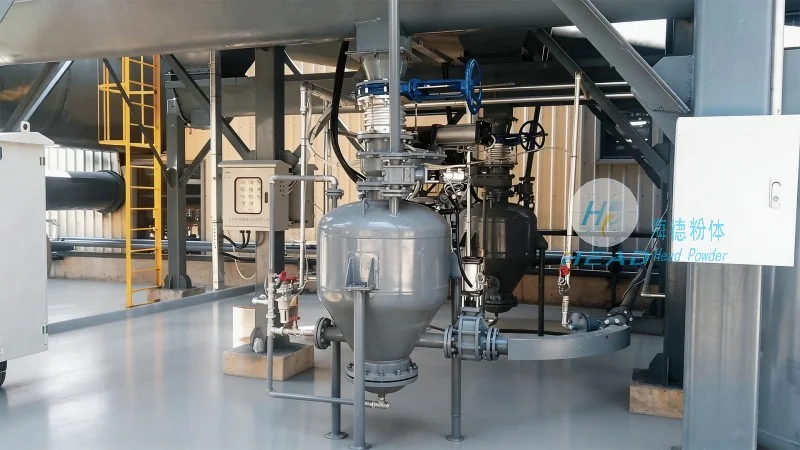
The effectiveness of a pneumatic conveying system for PVB hinges on several key technical components. These include high-pressure blowers or compressors that generate sufficient air velocity to move the material, as well as specialized ductwork and valves designed to handle PVB’s flow characteristics. The system may also incorporate features such as cyclone separators, rotary air locks, and vacuum or pressure stages, depending on the specific application and material flow requirements.
Designing a successful PVB pneumatic conveying system requires a thorough understanding of the material’s behavior under different air pressures and flow rates. HeadPowder’s engineering team conducts comprehensive material testing and flow analysis to determine the optimal system configuration. This includes evaluating factors such as particle size distribution, bulk density, and moisture content, which directly impact the system’s performance and efficiency. By customizing the system to match these parameters, the company ensures that the PVB is conveyed at the desired rate with minimal energy consumption.
Case Studies and Real-World Applications
HeadPowder has successfully implemented pneumatic conveying systems for PVB in various industrial settings. For example, a glass manufacturing facility in China faced challenges with PVB agglomeration during material transfer, leading to frequent equipment clogs and production delays. By installing a high-capacity pneumatic conveying system with integrated drying and conditioning modules, the facility achieved a 40% reduction in downtime and improved product quality. Similarly, a chemical processing plant utilized a vacuum pneumatic system to transport PVB from storage silos to production lines, enhancing safety and operational efficiency.
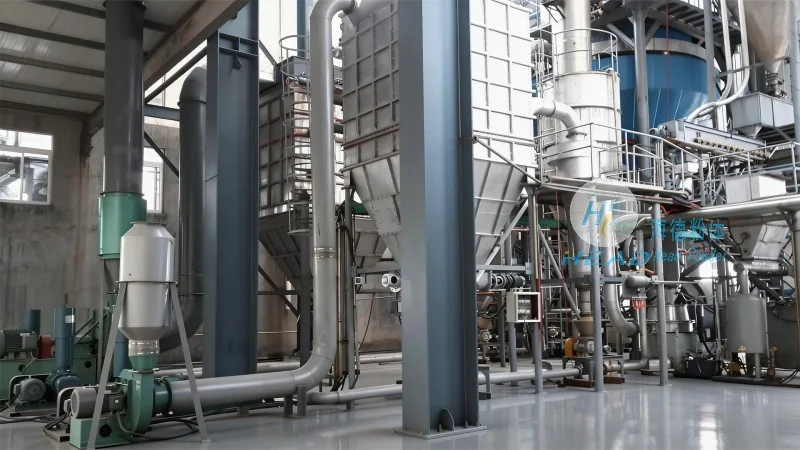
These case studies highlight the practical benefits of pneumatic conveying for PVB handling. The systems not only address immediate operational challenges but also contribute to long-term cost savings by reducing maintenance requirements and minimizing material waste. As industries continue to rely on PVB for advanced applications, the demand for reliable and efficient material transport solutions remains high, making pneumatic conveying an essential component of modern PVB processing.
Conclusion and Future Outlook
For businesses dealing with Polyvinyl Butyral, investing in a well-designed pneumatic conveying system is a strategic decision that enhances operational efficiency and product quality. Shandong HeadPowder Engineering Co., Ltd. stands out as a trusted partner in this domain, offering tailored solutions that leverage advanced technology and deep industry expertise. By addressing the unique challenges of PVB handling, HeadPowder helps clients optimize their production processes, reduce costs, and maintain a competitive edge in the market.
As the demand for PVB in industries such as automotive, construction, and electronics grows, the importance of efficient material transport will only increase. HeadPowder’s commitment to innovation and customer-centric solutions positions the company as a leader in providing pneumatic conveying systems that effectively solve PVB material handling challenges. With a focus on quality, reliability, and customization, HeadPowder continues to deliver value to its clients, ensuring that PVB is handled with the precision and care it deserves.




