HeadPowder, a leading manufacturer based in Shandong, China, specializes in the design and production of advanced pneumatic conveying systems tailored for handling silica powder. This article provides an overview of the equipment, its structural components, and the underlying principles that enable efficient material transport. By understanding these elements, users can appreciate the technology's capabilities and its relevance in industrial applications.
Key Components of Silica Powder Pneumatic Conveying Systems
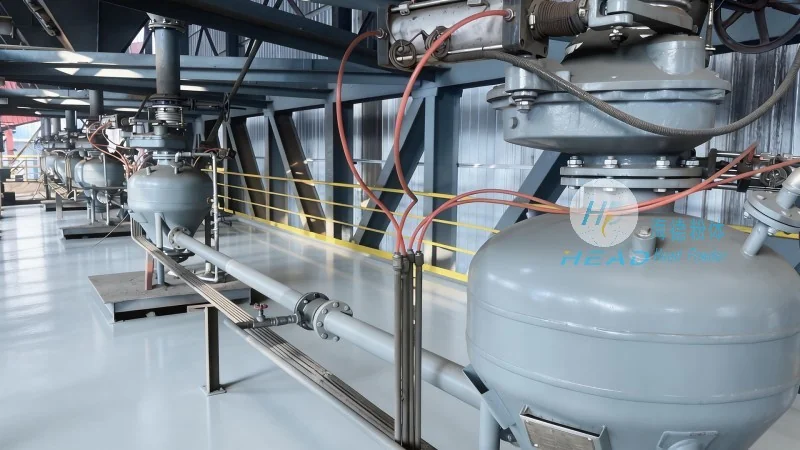
The core of a silica powder pneumatic conveying system consists of several interconnected components, each playing a critical role in the material handling process. The primary elements include the material feed unit, the air supply system, the conveying pipeline, the separation and recovery unit, and the control system. Each component is engineered to work in harmony to ensure reliable and efficient transport of silica powder, a fine-grained material often used in various industrial sectors such as construction, glass manufacturing, and chemical processing.
Material Feed Unit: Ensuring Consistent Material Introduction
The material feed unit is the starting point of the pneumatic conveying process. It is responsible for introducing silica powder into the system in a controlled manner. This component typically includes a hopper or a feeder that can handle the bulk material and convert it into a consistent flow. For silica powder, which can be prone to bridging or clogging, the feed unit is designed with features like agitators or vibrators to prevent material buildup and ensure smooth feeding. The design of the feed unit is crucial as it directly impacts the system's performance and the uniformity of the conveyed material.
Air Supply System: The Driving Force of Pneumatic Conveying
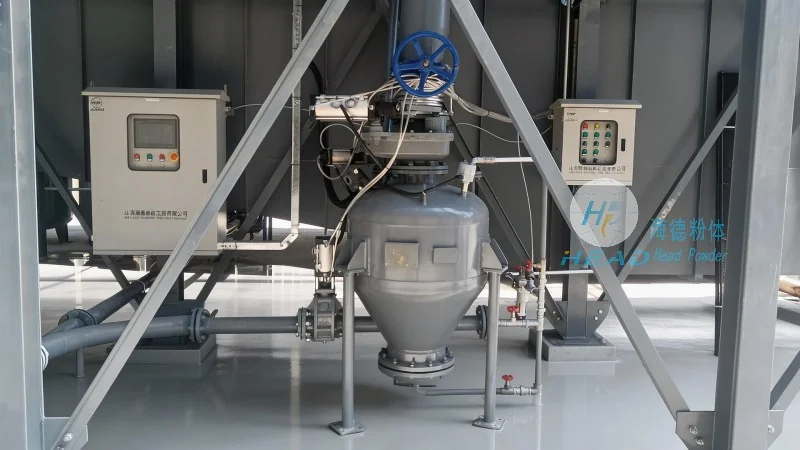
The air supply system provides the necessary pressure and flow of air to move the silica powder through the conveying pipeline. This system includes a blower or a compressor, which generates the required air pressure, and a filter to ensure the air is clean and free from contaminants that could affect the powder quality. The air supply is carefully regulated to maintain optimal pressure levels, which is essential for efficient transport of fine particles like silica powder. The choice of air supply equipment depends on the system's capacity, the distance of transport, and the specific characteristics of the silica powder being handled.
Conveying Pipeline: Design for Efficient Material Transport
The conveying pipeline is the main channel through which silica powder is transported. It is typically made of materials resistant to corrosion and abrasion, such as stainless steel or special plastic composites, to withstand the wear from the fine particles. The pipeline design considers factors like the conveying distance, the required flow rate, and the pressure drop to minimize energy consumption and ensure smooth material movement. For long-distance transport, the pipeline may include bends, elbows, or expansion joints to accommodate changes in direction and elevation, maintaining the integrity of the material flow.
Separation and Recovery Unit: Ensuring Material Integrity
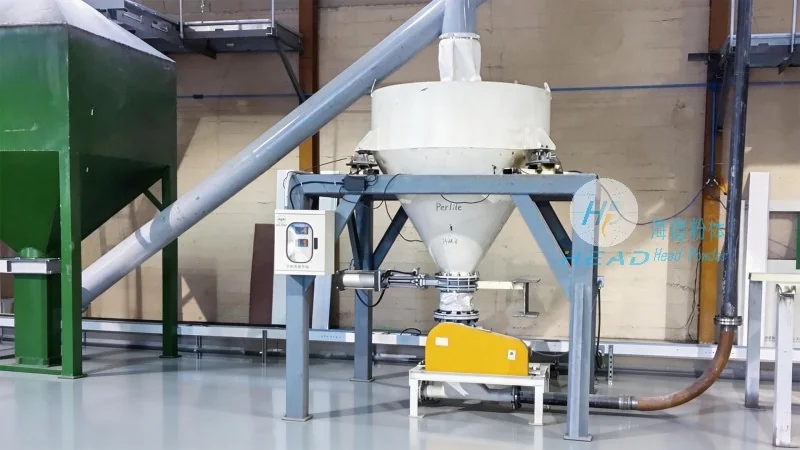
At the end of the conveying process, the separation and recovery unit is responsible for separating the silica powder from the air stream and recovering the material for reuse. This unit typically consists of a cyclone separator or a bag filter, which uses centrifugal force or filtration to separate the powder from the air. The separated powder is then collected in a hopper or a storage bin, while the clean air is discharged back into the environment or recirculated if needed. The efficiency of the separation unit is critical to prevent material loss and to maintain the purity of the silica powder, which is important for applications where the material quality is a key factor.
Control System: Optimizing Operation and Safety
The control system monitors and regulates the operation of the entire pneumatic conveying system. It includes sensors and controllers that track parameters such as pressure, flow rate, and material level, ensuring that the system operates within safe and efficient parameters. The control system can also include features like automatic start-up and shut-down procedures, as well as alarms for abnormal conditions, enhancing the safety and reliability of the operation. For silica powder handling, the control system may also include dust suppression measures to comply with environmental regulations and to protect personnel from dust exposure.
Applications and Benefits of Silica Powder Pneumatic Conveying
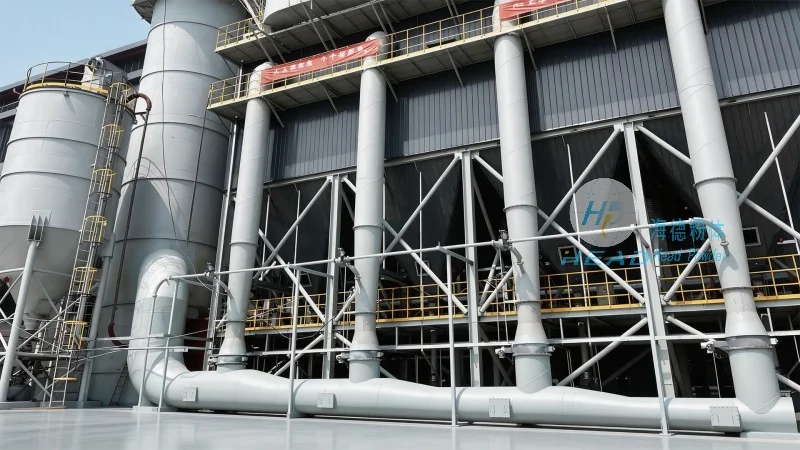
Silica powder pneumatic conveying systems are widely used in various industries due to their ability to handle fine materials efficiently and safely. In the construction industry, they are used to transport silica sand for concrete production, ensuring consistent quality and reducing manual handling. In the glass manufacturing sector, the system is employed to convey silica raw materials to the melting furnaces, improving production efficiency and reducing waste. Additionally, in chemical processing, the equipment is used to transport silica-based chemicals, maintaining the purity of the materials and minimizing contamination risks. The benefits of using pneumatic conveying for silica powder include reduced labor costs, improved material quality, lower maintenance requirements, and enhanced safety compared to traditional methods like belt conveyors or manual handling.
Conclusion: The Role of Advanced Pneumatic Conveying in Industrial Efficiency
HeadPowder's silica powder pneumatic conveying equipment represents a sophisticated solution for the efficient and reliable transport of fine materials. By integrating advanced structural components and control systems, these systems offer superior performance in handling silica powder, meeting the demands of modern industrial applications. The understanding of the structural principles and operational components of such equipment is essential for optimizing material handling processes and enhancing overall industrial efficiency. As industries continue to seek more efficient and sustainable material transport solutions, pneumatic conveying systems, particularly those designed for silica powder, remain a critical technology in the material handling landscape.




