Developed by Shandong HeadPowder Engineering Co., Ltd., the anhydrous aluminum chloride pneumatic conveying system is a specialized industrial equipment designed for the efficient and safe transportation of anhydrous aluminum chloride, a critical chemical reagent widely used in various industrial applications such as chemical synthesis, metallurgy, and material processing. This system is engineered to handle the unique properties of anhydrous aluminum chloride, which is highly hygroscopic and reactive with moisture, making traditional bulk handling methods less suitable. The system ensures minimal product degradation and maintains the purity of the material during transport, which is essential for downstream processes.
Key Components and Structural Design
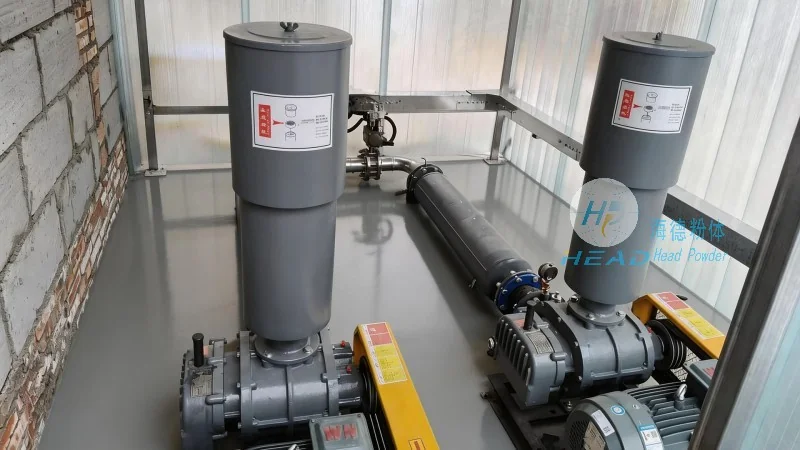
The anhydrous aluminum chloride pneumatic conveying system consists of several core components that work in tandem to achieve reliable and efficient material transport. The primary components include a hopper for material storage, a rotary valve or feeder for controlled discharge, a conveying pipeline system, a blower or air compressor to generate the necessary air flow, and a dust collection or filtration system to maintain air quality and comply with environmental regulations. The structural design emphasizes durability and corrosion resistance, as anhydrous aluminum chloride can be corrosive to certain materials. High-quality materials such as stainless steel or specialized alloys are used for critical parts to ensure long-term performance and prevent contamination.
Working Principle of the Pneumatic Conveying Process
The operation of the anhydrous aluminum chloride pneumatic conveying system is based on the principle of pneumatic transport, where the material is suspended and transported through a pipeline using a stream of air. The process begins with the material being fed from the hopper into the conveying pipeline via the rotary valve. Simultaneously, the blower generates a high-velocity air stream that flows through the pipeline, creating a low-pressure zone that draws the material particles into the air stream. The material is then carried along the pipeline to the destination point, such as a storage silo or processing unit. The system may include multiple pipeline segments and changes in direction, which are designed to accommodate the layout of the industrial facility. The air flow rate and pressure are carefully controlled to optimize the conveying efficiency and minimize energy consumption. The dust collection system at the end of the pipeline captures any fine particles, preventing air pollution and ensuring the system operates within environmental standards.
Advantages of the Anhydrous Aluminum Chloride Pneumatic Conveying System
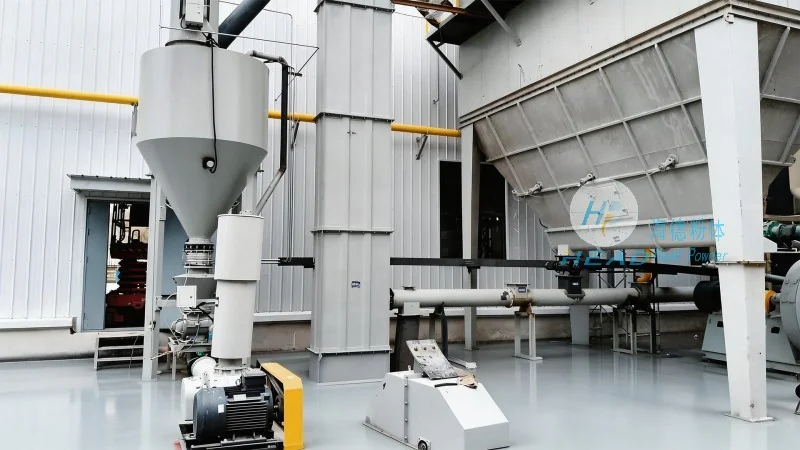
Implementing an anhydrous aluminum chloride pneumatic conveying system offers several advantages over traditional handling methods. Firstly, it provides a closed system that prevents exposure to moisture and contaminants, thereby maintaining the purity and quality of the material. This is crucial for applications where even trace amounts of moisture can affect the final product. Secondly, the system enhances safety by eliminating the need for manual handling of bulk materials, reducing the risk of accidents and exposure to hazardous chemicals. Thirdly, the automated operation improves efficiency and reduces labor costs, as the system can operate continuously with minimal human intervention. Additionally, the system offers flexibility in terms of layout, allowing for integration into existing industrial facilities without major structural modifications. The ability to handle materials over long distances and through complex routes further adds to its practicality in various industrial settings.
Application Scenarios and Industrial Integration
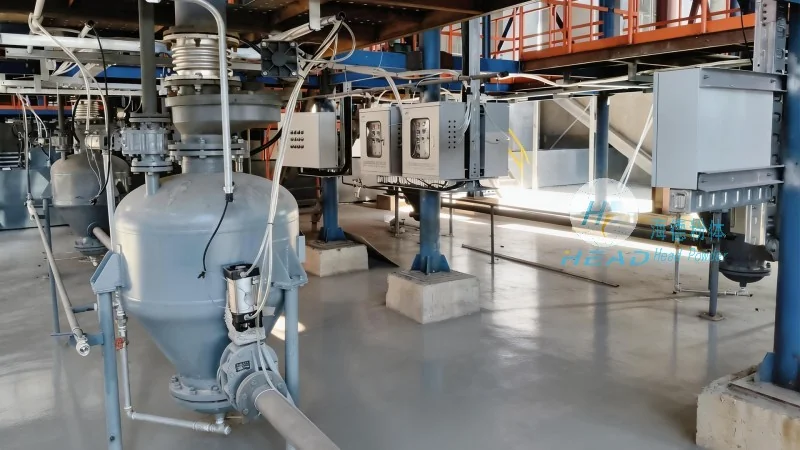
The anhydrous aluminum chloride pneumatic conveying system is widely used in industrial settings where the transportation of anhydrous aluminum chloride is required. Common applications include chemical manufacturing plants, where the material is used as a catalyst or intermediate in the production of other chemicals. It is also utilized in metallurgical processes, such as the production of aluminum alloys, where anhydrous aluminum chloride is used as a flux or additive. Additionally, the system is employed in material processing facilities that require the precise delivery of anhydrous aluminum chloride to reactors or processing equipment. The system can be integrated into existing production lines, either as a standalone unit or as part of a larger material handling system. The design flexibility allows it to adapt to different production scales, from small-scale laboratory applications to large-scale industrial operations. The system's ability to handle varying material flow rates and pressures makes it suitable for a wide range of industrial needs.
Maintenance and Operational Considerations
Proper maintenance and operational considerations are essential to ensure the long-term performance and reliability of the anhydrous aluminum chloride pneumatic conveying system. Regular inspection of components such as the hopper, rotary valve, and conveying pipeline is necessary to detect and address any wear or damage. The blower and air compressor should be checked for proper air flow and pressure to maintain optimal conveying efficiency. The dust collection system must be regularly cleaned and maintained to prevent clogging and ensure effective filtration. It is also important to monitor the material flow rate and pressure in the system to identify any issues early. Proper training of operators on the system's operation and safety procedures is crucial to prevent accidents and ensure smooth operation. By following these maintenance and operational guidelines, the system can operate efficiently and reliably, providing consistent performance over its service life.




